




Since September 22, 2026, an unusual festival has been crossing two countries. The Mangal Festival, now in its second edition, links Cotonou, Aneho in Togo and Grand-Popo in Benin around a single subject: safeguarding the Mono delta, the mangrove and wetland ecosystem that Grand-Popo shares with its Togolese neighbor. The event runs through September 27, with its main gathering concentrated in Grand-Popo.
If you are already on the coast or can get there quickly, here is what is left to see and how to go about it.
A cross-border festival for a shared ecosystem
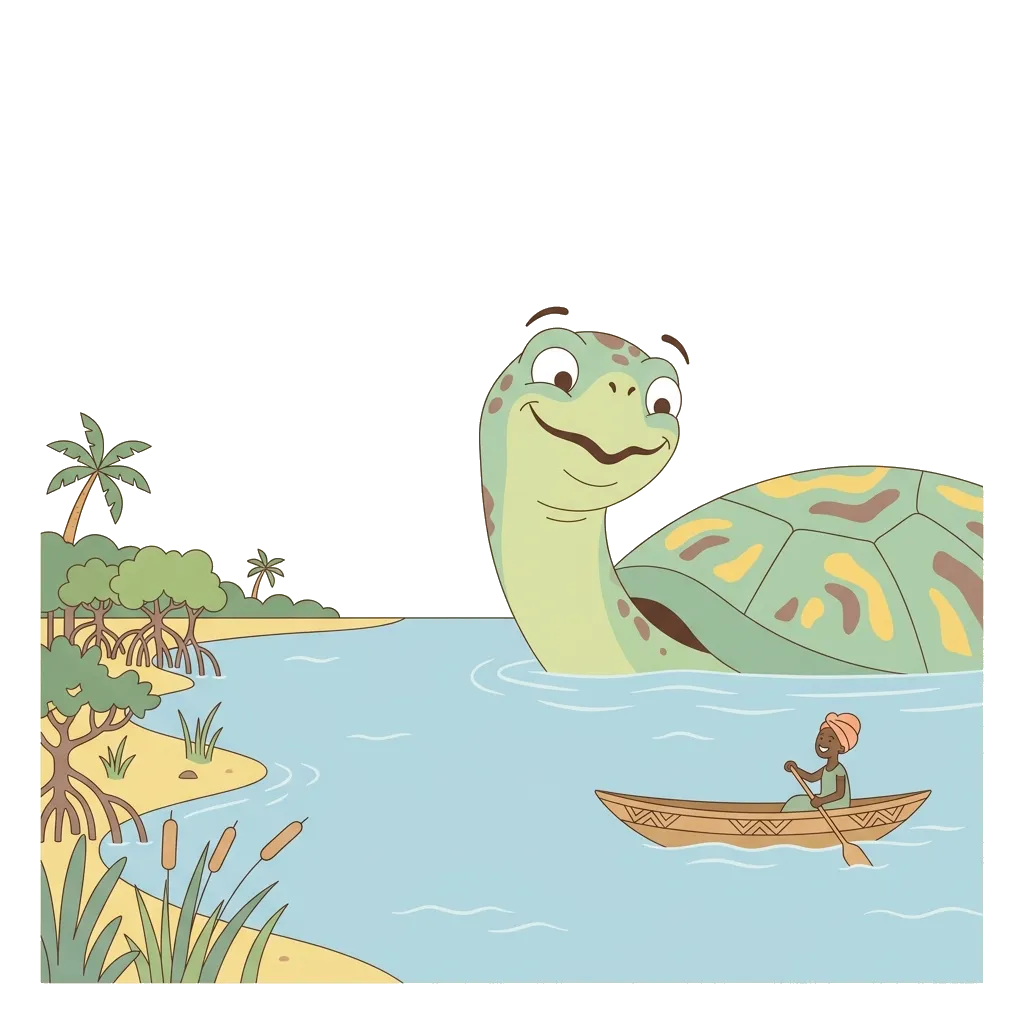
The Mono delta does not stop at a border. The river that gives its name to the Mono Transboundary Biosphere Reserve separates Benin from Togo administratively, but its mangroves, its lagoons and the communities that depend on them form a single ecological territory. The Mangal Festival was designed to reflect that reality: rather than a local event, it is a journey that follows the river, from one capital to the other.
The first edition laid the groundwork. This second edition brings in more scientific and community partners, with a clear goal: get researchers, artisans, fishers and travelers talking around the same conservation issue, instead of treating tourism and conservation as two separate topics.
The program, day by day
September 22, Cotonou. Official launch at Bab's Dock, on the lagoon shore. This opening stage sets the institutional tone of the festival, with project leads and scientific partners in attendance.
September 23, Aneho. The festival crosses the border. In Aneho, activities take the form of cross-border conferences dedicated to protected area governance and to Benin-Togo cooperation for the conservation of shared coastal ecosystems. It is the most institutional day of the program, aimed as much at conservation professionals as at the curious public.
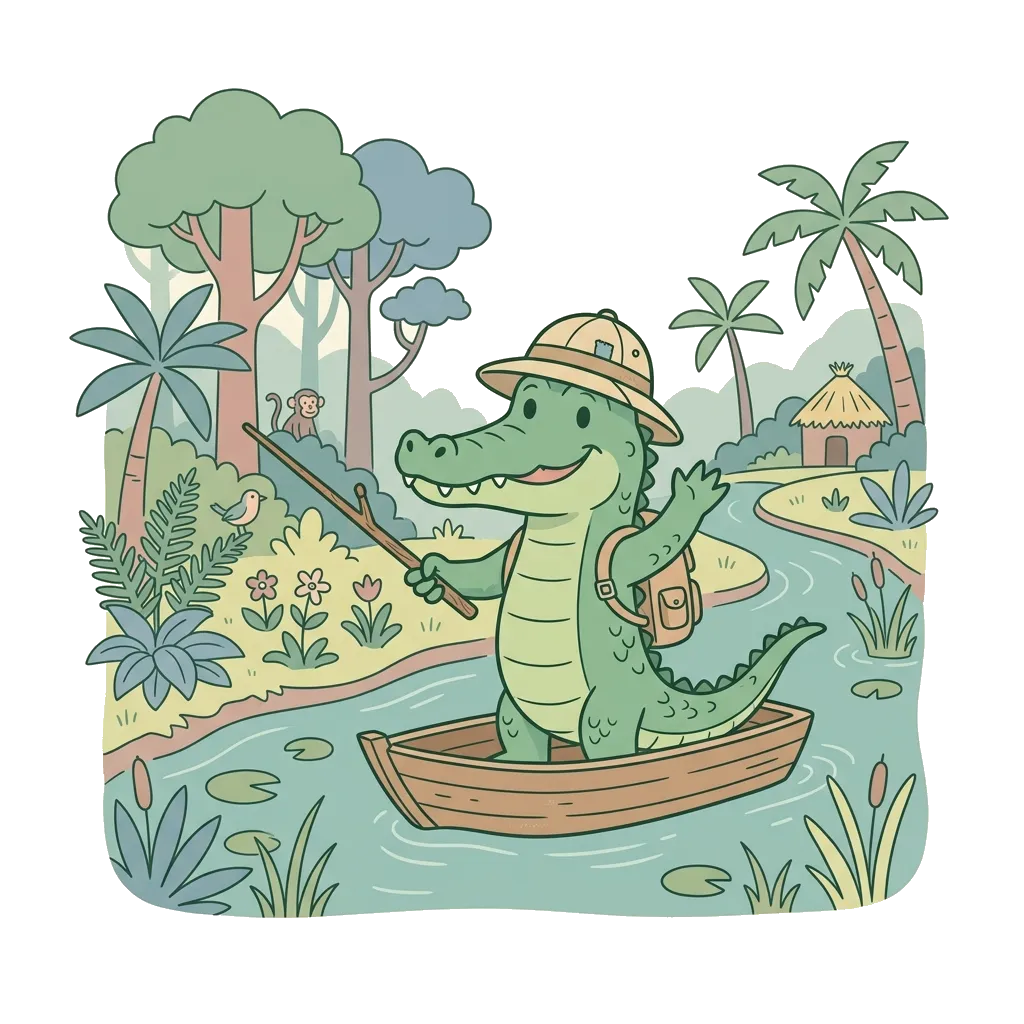
September 24 to 27, Grand-Popo. This is where most of the festival is concentrated, over four days. The program combines a science conference on the delta's ecosystems, an economic fair showcasing local crafts and produce, artistic performances, and guided ecotourism circuits through the mangrove areas and along the river. Free childcare is available on site, a sign that the festival aims to be accessible to families as much as to industry professionals.
The entire program, from the conference to the field circuits, is announced as completely free.
What is still happening in Grand-Popo
If you are reading this during the festival's final days, the simplest approach is to head directly to Grand-Popo's usual gathering points, where organizers post the day's schedule. The ecotourism circuits through the delta remain the most sought-after activity: they let you see in a single outing what the town normally takes several days to reveal, from the mangroves to the mouth of the Bouche du Roy.
The science conference, though technical in its framing, remains open to the public. For a traveler curious about ecology, it is a rare chance to hear the researchers who study the delta talk directly about what they observe, rather than reading their conclusions in a report.
The economic fair rounds out the picture with a more local dimension: crafts, regional produce, and encounters with the people who keep the territory alive outside festival season.
How to take part
No advance registration has been reported as required for the public activities. Getting to Grand-Popo from Cotonou takes about ninety minutes to two hours; from Lomé, allow a bit more, via the Hilacondji border crossing. Check our guide on how to get to Grand-Popo for transport options.
Grand-Popo's accommodation capacity stays limited year-round. If you plan to stay for the festival's last days, book your lodging without delay: our guide to accommodation in Grand-Popo lists the available options.
Why this festival matters for the delta's future
A festival alone does not protect an ecosystem. But the Mangal Festival does something few tourism events manage: it treats the conservation of the Mono delta as a concrete cross-border issue, with researchers and managers from both countries at the same table, rather than as a marketing argument to attract visitors.
For Grand-Popo, whose tourism economy depends directly on the health of the river, the mangroves and the surrounding wetlands, this kind of initiative points in a clear direction: tourism that funds and documents the preservation of the territory rather than simply consuming it. A third edition, if the format holds, would have every reason to join the region's cultural calendar alongside the Nonvitcha or the Vodun ceremonies.
Plan Your Visit
Discover the magic of Grand-Popo with our curated local experiences.