


Where the Mono gives itself to the sea
Bouche du Roy is a natural site where the Mono River meets the Atlantic Ocean, forming a delta of striking beauty. This unique location, classified as a UNESCO Biosphere Reserve, is one of the most precious ecosystems on the West African coast. It is a living sanctuary where the power of the waves meets the serenity of calm waters.
Located about 12 kilometres from central Grand-Popo, Bouche du Roy stretches over several kilometres of channels, mangroves and shifting sandbanks. The name "Bouche du Roy" — the King's Mouth — evokes the royal estuary of the river, a majestic gateway between fresh and saltwater. Local tradition holds that the river's mouth was named in recognition of the authority the Mono commanded over all life along its banks. Stand at the meeting point at low tide and you feel why: the confluence is forceful, loud, impossible to ignore.
To understand the natural wealth of this region, see our complete guide to nature and ecotourism in Grand-Popo. You will discover how Bouche du Roy fits into a wider coastal ecosystem.
A rare ecological crossroads built by three bodies of water
Bouche du Roy is a rare ecological crossroads. Three environments meet here: the freshwater river, the brackish lagoon and the salty ocean. This hydrological richness creates ideal conditions for exceptional biodiversity. Fish that spawn in fresh water and grow in salt water, birds that nest in the mangroves and feed in the lagoon, plants adapted to conditions that shift with every tide — all exist within a few kilometres of each other.
The delta changes constantly. Currents shift the sand, channels dig and fill according to the seasons. Local fishermen know every change, every new passage. For the visitor, it is a living landscape that never looks the same twice. Sandbanks that emerge at low tide become submerged islands at high tide; a channel navigable in January may have silted over by June. This instability, far from being a problem, is the engine of the site's biodiversity. Where the substrate changes, new niches open, and new species move in to fill them.
UNESCO recognised the importance of this site by classifying it as the Mono Biosphere Reserve. This label guarantees international protection and encourages environmentally respectful tourism. Bouche du Roy is part of a global network of reserves that combine conservation and sustainable development. The status also triggers international funding for monitoring, research and community education programmes. Since the classification, more than a dozen scientific surveys have documented species previously unrecorded on the Beninese coast.
Getting there from Grand-Popo
From Grand-Popo, access to Bouche du Roy is mainly by lagoon. Here are the options:
By pirogue from town centre — allow 30 to 45 minutes of navigation. Pirogues depart from the main jetty near the market. This is the most authentic and recommended option. The journey itself is an immersion in lagoon landscapes: you pass fishing villages, mangrove channels and open water sections where the wind picks up and the pirogue rocks gently over the swell. The sound of the outboard motor gives way to paddles in the last stretch, and the silence that returns is noticeable.
By car to Avlo — you can drive to Avlo village via the coastal road, then take a pirogue for the last 10 minutes. The drive takes about 20 minutes from Grand-Popo. Leaving the vehicle with a local resident (1,000 FCFA, about 1.50 EUR) is the custom.
By taxi — a taxi from Grand-Popo costs 3,000 to 5,000 FCFA (4.50 to 7.50 EUR) one way. Negotiate the waiting time for the return before you leave.
The full excursion usually lasts between 3 and 5 hours depending on the chosen programme. Like any nature excursion in Grand-Popo, set off early in the morning to avoid the heat and enjoy the golden light.
What a pirogue excursion looks and feels like
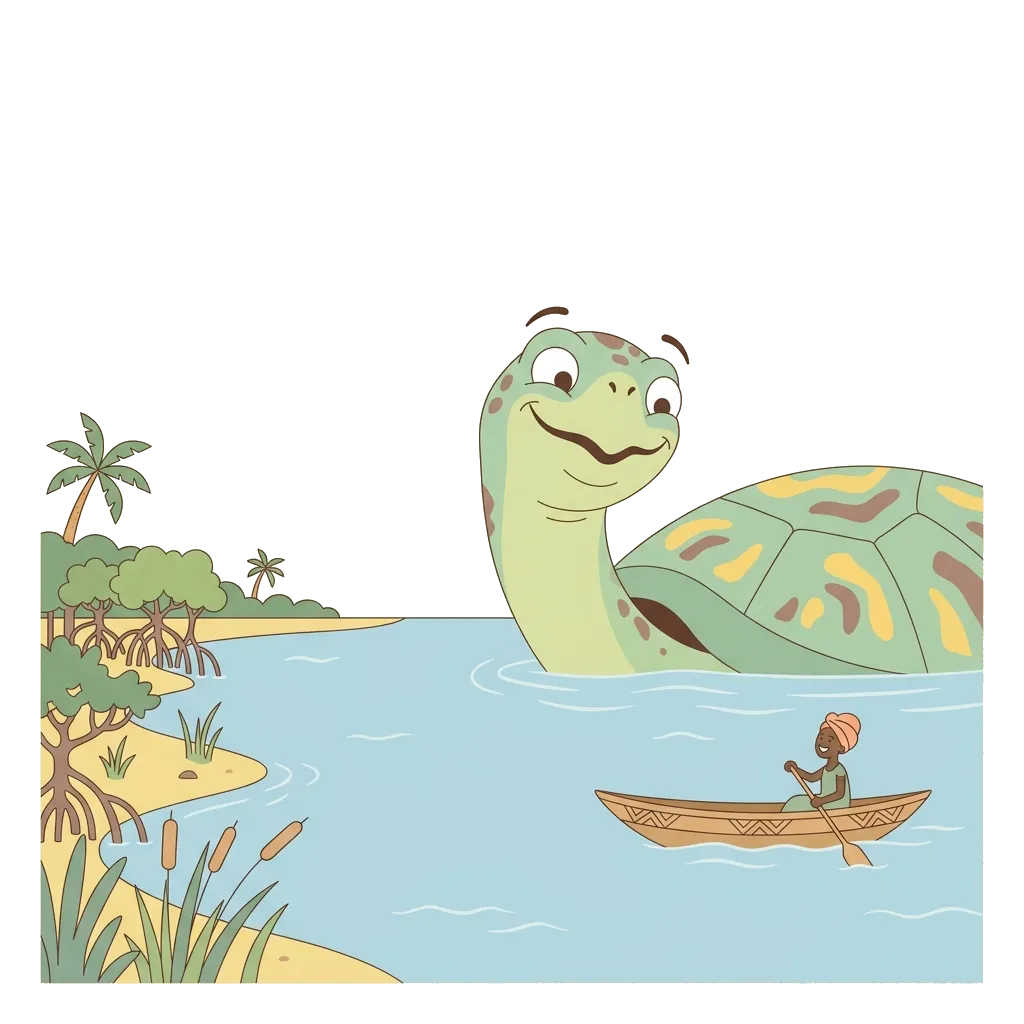
The Bouche du Roy experience is lived from a traditional pirogue. These wooden boats, carved from a tree trunk, glide silently on the water without disturbing the wildlife. The guide paddles from the stern, reading the water with each stroke.
Here is what a typical excursion looks like:
The silent ride — departure at dawn to enjoy the absolute calm. Mist rises gently over the mangroves. The only sounds are the lapping of water and birdsong. The air smells of iodine and wet wood, cool enough in the first hour to feel almost cold. The mist sits in long horizontal bands between the mangrove trunks, dissolving slowly as the light grows.
Bird island — stop at a sand spit where hundreds of birds rest. Pelicans, egrets, terns. Stay in the boat: the noise would scare the whole colony away. The guide signals with a raised hand and the paddling stops; the pirogue drifts on its own momentum while binoculars go up. Count the species quietly. A quarter-hour of stillness here yields more than a day of searching elsewhere.
The meeting of waters — the climax of the visit. Here the Mono River pours into the Atlantic. A spectacle of waves, foam and currents where you feel the full force of the elements. The colour difference between the river's brown silt-laden water and the green ocean swell is visible even at a distance. Where the two meet, the water churns in braided patterns, turbulent and alive. The smell changes too — saltier, sharper, with the mineral edge of open ocean suddenly present.
Lagoon lunch — picnic in the shade of a thatched shelter prepared by local communities. Fresh grilled fish, rice, vegetables and tropical fruit. Count 5,000 to 7,000 FCFA (7.50 to 10.50 EUR) per person. The fish will have been bought that morning from a pirogue passing the shelter at first light.
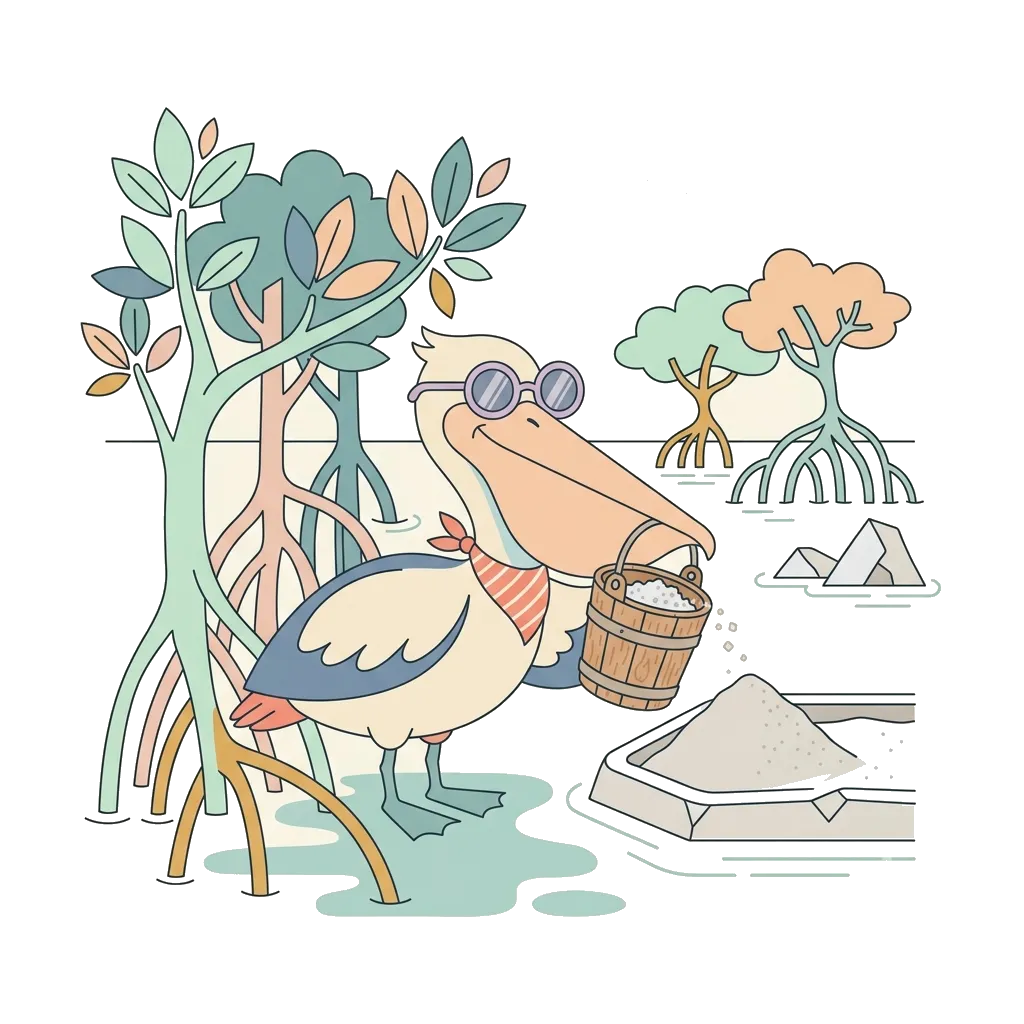
The white gold tradition — along the water, you will meet communities that practise artisanal salt harvesting. Grand-Popo's salt crystals are remarkably pure, formed slowly in clay basins under the tropical sun.
Tip: bring binoculars, a hat, biodegradable sunscreen and plenty of water. Discretion is essential for wildlife observation. Turn your phone to silent before the bird island approach.
Wildlife: birds, manatees and hidden creatures
Bouche du Roy is a paradise for nature lovers.
Birds — over 200 species have been recorded in the delta. You can see grey herons (Ardea cinerea) standing motionless for minutes at a stretch, malachite kingfishers (Corythornis cristatus) with electric plumage, white egrets, African spoonbills, pelicans and, during migration season, flamingos that turn sections of the lagoon pink from a distance. The best time for birdwatching is November to March.
The African manatee (Trichechus senegalensis) — this animal glides silently beneath the surface of the channels. Rare and discreet, the manatee is considered sacred by local communities. Observing one is a privilege that requires patience and silence. Guides know the feeding areas and will position the pirogue downwind, signalling you to remain absolutely still. Manatees typically surface every three to four minutes to breathe; the moment a broad grey snout breaks the surface ten metres from the boat is one of those travel memories that stays for years. The animal makes almost no sound — just the faintest exhale, a brief ripple, then gone.
Fiddler crabs (Uca tangeri) — by the thousands on the mudbanks at low tide, they wave their oversized claws in a continuous choreography that looks almost deliberate. Walk quietly on the exposed mud and the entire bank seems to ripple as they retreat to their burrows at your approach.
Fish — the delta hosts a great variety of fish, from mullet to captain fish, which sustain Grand-Popo's fishermen and fill the menus of the village restaurants.
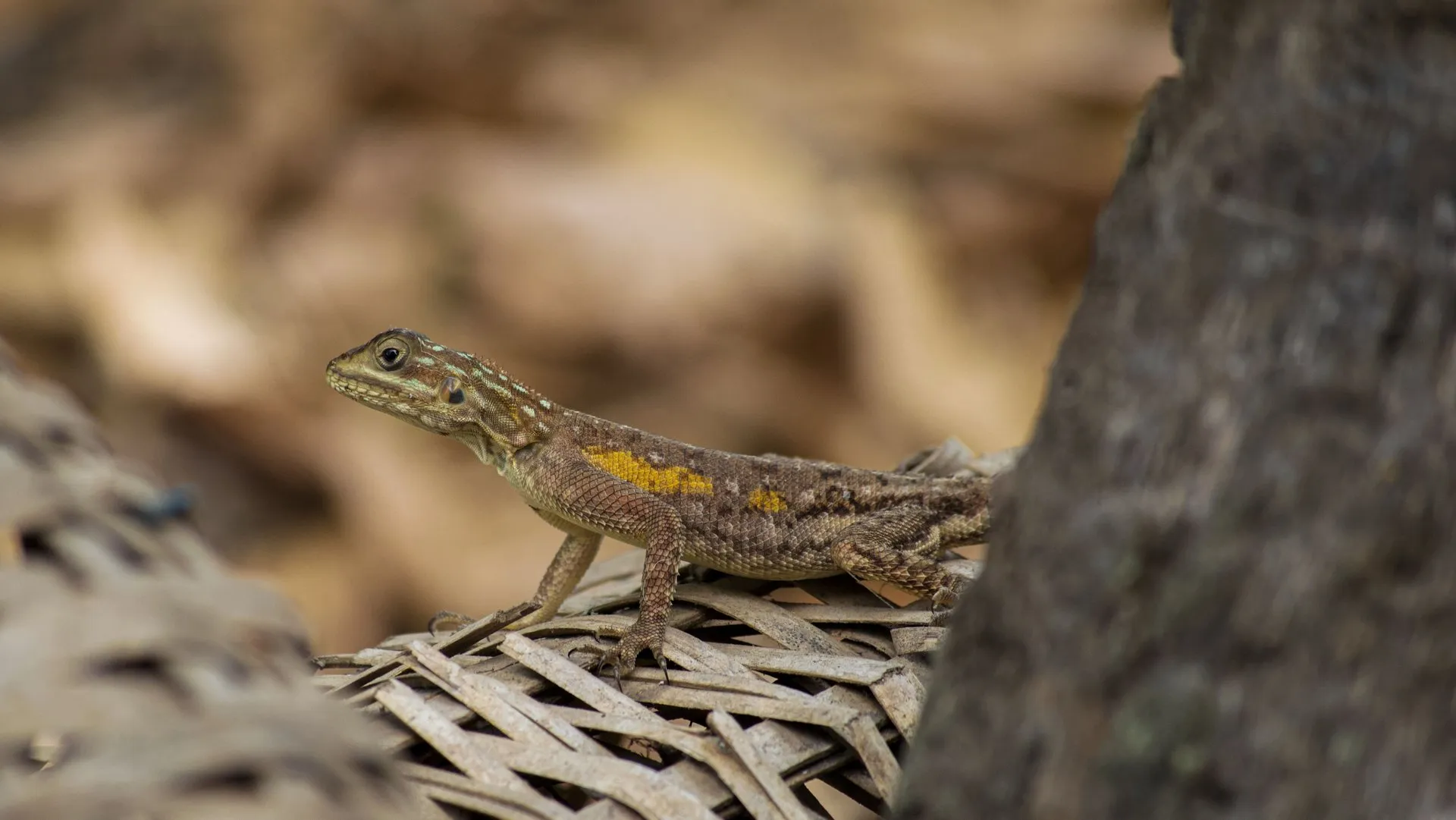
Reptiles — Nile monitors (Varanus niloticus), freshwater turtles and occasionally dwarf crocodiles (Osteolaemus tetraspis) in the most remote parts of the delta. The Nile monitor can reach two metres and is a skilled swimmer; it hunts fish and eggs in the mangrove channels with unhurried efficiency, then basks on a sunny bank, barely lifting its head as the pirogue passes.
Flora: the forest that holds the coast in place
Bouche du Roy's mangroves are among the best preserved in Benin. The red mangrove (Rhizophora racemosa) dominates with its stilt roots forming striking vegetal architectures that rise half a metre above the water at low tide. The white mangrove (Avicennia germinans) occupies sandier areas, its pneumatophores pushing up from the mud like rows of miniature chimneys. At very low tides, a third species — the white-leaved mangrove (Laguncularia racemosa) — appears in the shallowest zones, its pale-green leaves distinctly different from the darker canopy above.
These amphibious forests play a fundamental ecological role:
- Coastal protection: mangrove roots trap sediment and protect the coastline from erosion.
- Marine nursery: juveniles of many fish species grow sheltered among the roots before heading out to sea.
- Carbon sink: mangroves store up to four times more carbon than a tropical rainforest.
- Natural filtration: they purify water by absorbing pollutants carried downstream by the Mono.
Local mangrove reforestation initiatives are carried out with UNESCO support. Planting a mangrove seedling is one of the activities some guides offer visitors. The seedlings take root quickly in the silty delta soil, and guides who have been doing this for years can show you seedlings they planted three seasons ago, now knee-high and already sheltering the first small crabs.
For more detail, see our dedicated article on Grand-Popo mangroves.
Best season to visit
Bouche du Roy can be visited year-round, but each season offers a different experience.
| Season | Period | Conditions | Experience |
|---|---|---|---|
| Dry season | November to March | Sunny, little rain | Ideal visit, abundant birds |
| Mid-season | April to June | Hot, short rains | Lush mangroves, fewer people |
| Wet season | July to October | Frequent rain | Delta in flood, powerful landscapes |
The best time for migratory birds is November to February. For the delta at its greenest peak, choose May and June. The wet season (July-October) offers spectacular landscapes but some areas may be inaccessible by pirogue. Water levels in the channels can rise so high that the mangrove canopy is barely above the surface — beautiful in its own way, but limiting for navigation.
Check our when to visit Grand-Popo page for more climate details.
Prices and guides
Pirogue excursion:
- 2 people: 15,000-20,000 FCFA (23-30.50 EUR) for 3-4 hours
- 4 people: 25,000-30,000 FCFA (38-45.50 EUR)
- Group (6+): 5,000-7,000 FCFA (7.50-10.50 EUR) per person
- Picnic included or extra depending on operator
Local guide: count 5,000-10,000 FCFA (7.50-15 EUR) for a full excursion. Guides speak French and know the delta's flora and fauna.
To find a guide — ask at the Grand-Popo tourist office or the main jetty before 8 am. You can also ask at ecolodges and local accommodation. See our recommendations for nature guides in Grand-Popo.
Visiting responsibly
Visiting Bouche du Roy is a privilege that comes with responsibilities:
- Leave no trace: take your waste back, even biodegradable items. Plastic kills marine life.
- Biodegradable sunscreen: chemical creams pollute the water and affect aquatic life.
- Silence: speak softly. Sound carries far on water and disturbs nesting birds.
- Do not feed animals: monkeys and birds must remain wild and self-sufficient.
- Choose local guides: they know the terrain and the local economy benefits directly from your visit.
- Respect the villages: do not enter compounds without invitation.
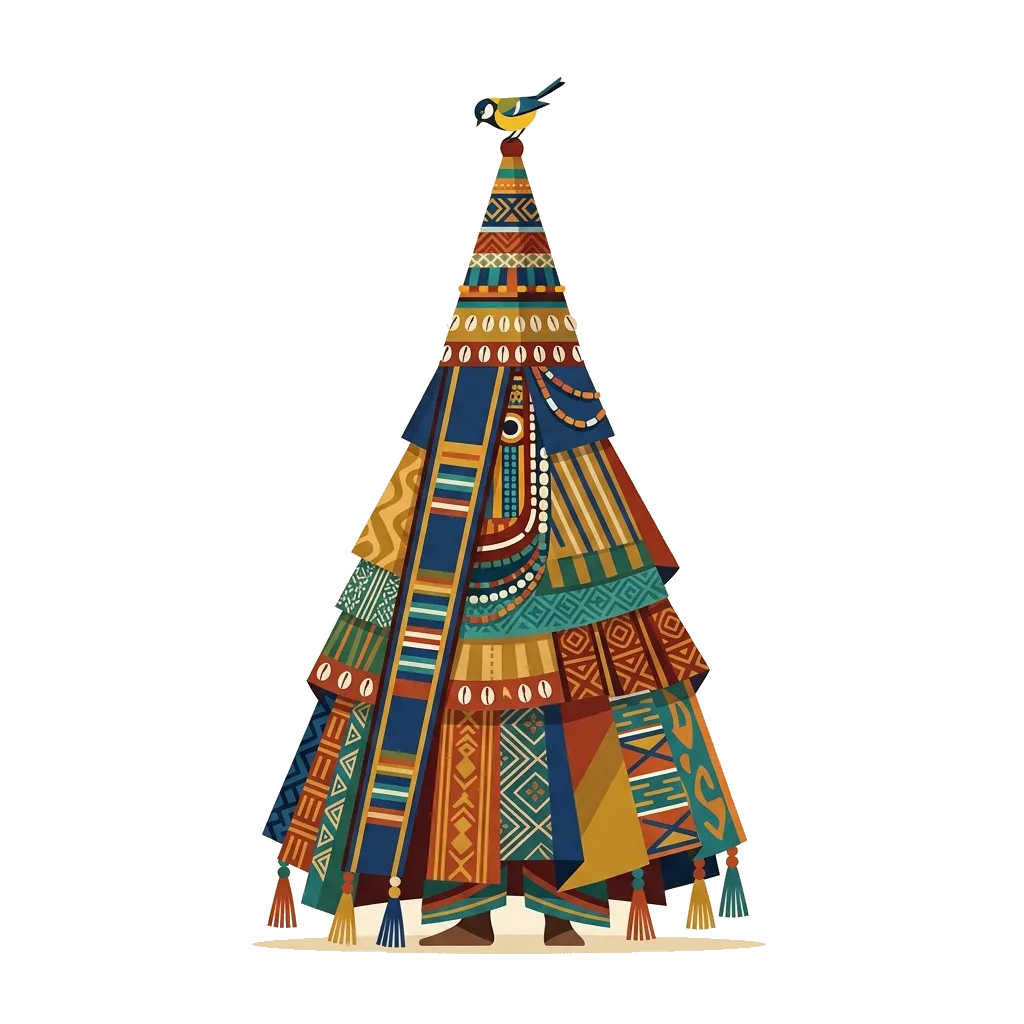
The Zangbeto watch over these sacred lands. Your respect for the place is also respect for the traditions that have protected them for centuries. Local communities have maintained this spiritual connection with nature for generations, and your eco-responsible approach continues this tradition.
Eco-contribution: some guides include a 1,000 FCFA (1.50 EUR) contribution per visitor for mangrove reforestation. Accept it: it is the smallest gesture for lasting impact. Since 2022, local associations have replanted over 5,000 mangroves in the delta, thanks partly to these contributions.
A simple gesture: when a guide offers you to plant a mangrove seedling, take the opportunity. In a few seconds and for a few thousand francs, you leave a positive trace in this exceptional landscape — one that will still be growing when the next generation of visitors arrives.
Plan Your Visit
Discover the magic of Grand-Popo with our curated local experiences.