




Located on Benin's Atlantic coast, Grand-Popo enjoys a tropical climate marked by alternating dry and wet seasons. Choosing the right time for your visit depends on your priorities: beach and relaxation, nature observation, festival participation, or simply escaping the European winter. This guide helps you decide when to visit Grand-Popo based on what you want to experience. For a full introduction, read the complete Grand-Popo guide first.
Grand-Popo's tropical climate: what to expect year-round
Grand-Popo has a subequatorial tropical climate, moderated by the Atlantic Ocean. Temperatures range from 24 to 32 deg C throughout the year, with humidity varying from 70% to 85%. The sea breeze, locally called grogon, brings cooling relief that makes afternoons bearable even during the hottest periods. Nights are generally pleasant, especially near the ocean where the marine breeze picks up in the evening.
Sea temperature stays at an average of 28 deg C throughout the year, making the water inviting in every season. The main exception is the very end of the long dry season in March, when upwelling from deeper Atlantic currents can lower surface temperatures briefly. The grogon wind also has a practical effect for kitesurfers: when it blows consistently from the southwest between December and March, it creates near-ideal conditions for wind sports along the coast, and experienced kitesurfers time their visits specifically to catch it.
The main feature of the local climate is the presence of two rainy seasons and two dry seasons, a rhythm dictated by the movement of the Intertropical Convergence Zone. This dual rhythm offers visitors a variety of Grand-Popo faces depending on the season, each with its own colours, light and atmosphere. Understanding which season you are visiting tells you almost everything about what to expect each day.
Understanding Benin's four seasons and their effect on your trip
Southern Benin experiences four distinct seasons that shape local life and tourist activities:
-
Long dry season (December to March): the most favourable period for tourism. Sunny weather, blue skies, low rainfall (under 30 mm per month). Pleasant temperatures from 25 to 32 deg C. The harmattan, a dry wind from the Sahara, may bring a thin dust haze in January and February, but days remain bright and the diffused light can be beautiful in photographs. The sea is generally calm in the morning before the afternoon wind picks up. Sea turtles have been nesting since September; December and January are among the best months for nighttime observation walks.
-
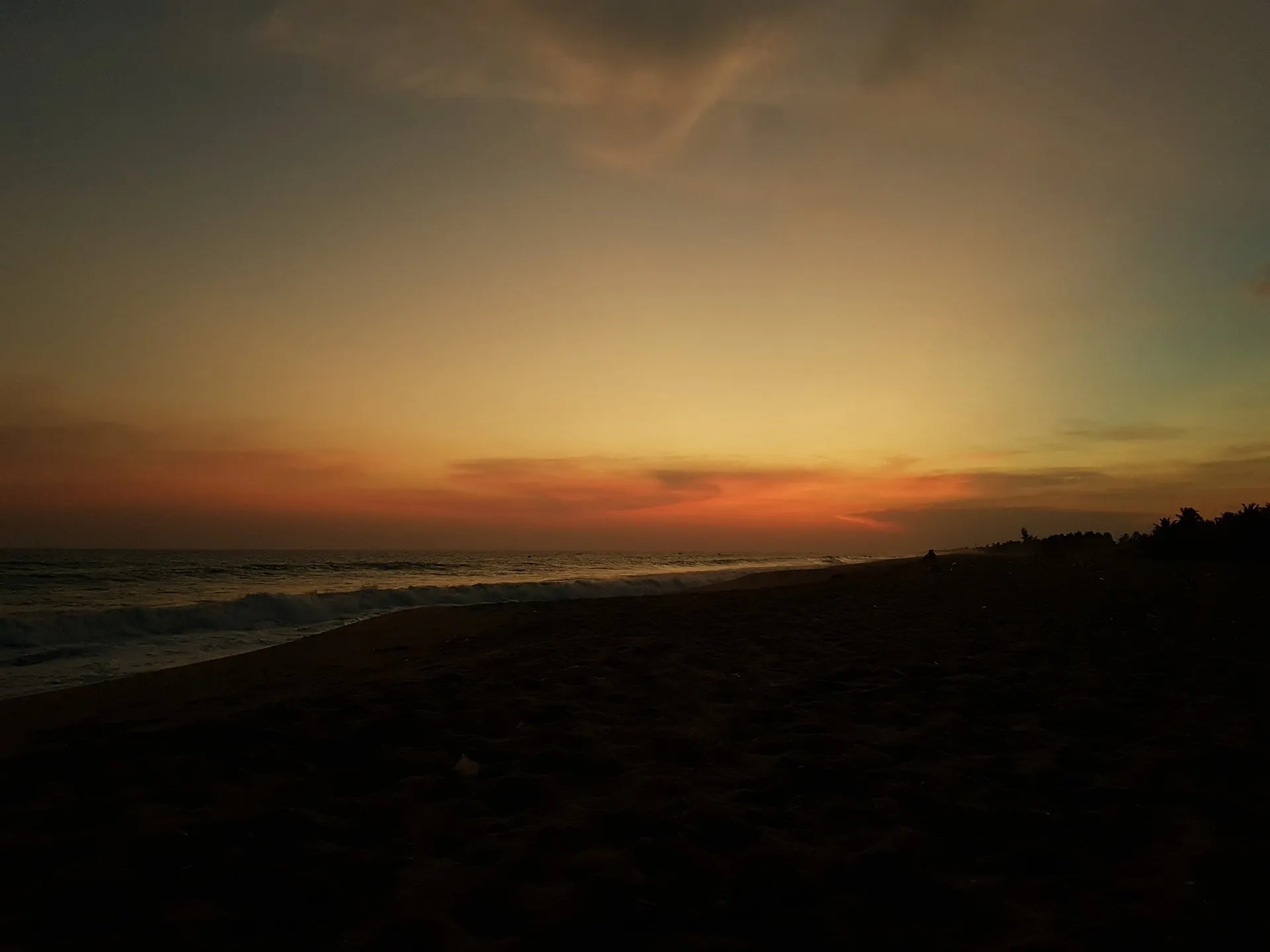
Long rainy season (April to July): abundant rainfall, especially in June with averages of 200 to 300 mm. Showers are often heavy but brief, followed by sunny spells and intense green light. Humidity peaks, but temperatures remain comfortable at 25 to 30 deg C. Landscapes are lush and sunsets spectacular. Bird activity around the Mono River wetlands is particularly rich in this season, as migratory species from Europe overlap with West African year-round residents.
-
Short dry season (August): a welcome lull, particularly marked on the coast. The sky remains partly cloudy but rain is scarce. Temperatures drop to a cooler 24 to 28 deg C. This pause in rainfall coincides with the Nonvitcha festival, making it a good window for visitors who want to avoid dry-season crowds while enjoying genuinely pleasant weather. Cycling and village excursions suit August well.
-
Short rainy season (September to November): moderate rainfall, less intense than in spring. October remains an agreeable month despite occasional showers. Sea turtle nesting continues through November, and Egungun ceremonies appear during this period, creating a ceremonial atmosphere in the town's neighbourhoods.
How seasons affect activities
Season choice directly influences available activities:
-
December to March: optimal for beach, swimming, pirogue excursions and exploring Bouche du Roy. Calm morning seas and regularly spectacular sunsets. Kitesurfing is at its best when the harmattan blows steadily. Book accommodation far in advance for January.
-
April to July: water activities more limited but vegetation is luxuriant. Photographers will appreciate the dramatic storm light. Accommodation prices drop by 20 to 30%. Pirogue excursions remain possible most mornings.
-
August: good window for land-based excursions: cycling, walking, village visits. The Nonvitcha festival animates the town with dancing and ceremony. Sea turtle season beginning.
-
September to November: transition period. Beaches become usable again and activities gradually resume. Turtle nesting peaks in September and October. Egungun ceremonies are worth planning around.
Best months to visit Grand-Popo: a month-by-month breakdown
Month-by-month climate table
| Month | Temperature | Rainfall | Crowds | Events |
|---|---|---|---|---|
| January | 25-32 deg C | Very low | High | Vodun Day (Jan 10) |
| February | 26-32 deg C | Very low | High | Local ceremonies |
| March | 27-33 deg C | Low | High | |
| April | 27-32 deg C | Moderate | Medium | |
| May | 26-31 deg C | Heavy | Low | |
| June | 25-30 deg C | Very heavy | Very low | |
| July | 24-29 deg C | Heavy | Low | |
| August | 24-28 deg C | Low | Medium | Nonvitcha Festival |
| September | 24-29 deg C | Moderate | Low | Turtle nesting begins |
| October | 25-30 deg C | Moderate | Medium | |
| November | 26-31 deg C | Low | High | Egungun ceremonies |
| December | 25-32 deg C | Very low | Very high | Year-end celebrations |
Ideal period: December to March. Perfect weather for the beach, pirogue excursions and outdoor activities. This is also high tourist season: book your accommodation in advance. Vodun Day on 10 January is a major highlight worth a trip in itself. Prices are higher but the experience is at its most vivid.
Interesting alternative: August. The short dry season offers pleasant weather with fewer people and gentler rates. The Nonvitcha festival, the great celebration of the Popo people, takes place in this period. Beaches are calmer and interactions with locals easier when the destination is not full of other travellers.
For tight budgets: May to June. The rainiest period brings dramatic price drops and nearly deserted sites. If rain does not bother you, this is an ideal time to discover Grand-Popo off the beaten track. Morning activities remain fully accessible, and the afternoon showers are often brief.
For European winter travellers: December to January. Leaving grey European skies and arriving on a sunlit beach where temperatures sit at 28 to 30 deg C, with Vodun ceremonies filling the streets on 10 January, is exactly the kind of contrast a winter escape should offer. The timing aligns well: European school holidays coincide with Grand-Popo's most vibrant cultural moment.
Travelling in the rainy season: advantages, drawbacks and practical tips
Travelling in the rainy season has overlooked advantages. Vegetation is luxuriant, landscapes are intensely green, and the mangroves and Bouche du Roy are at their visual peak. Rice paddies and plantations glisten under sunny breaks. Tourist sites are nearly empty and accommodation prices can drop by 20 to 30%.
The downsides are real: some tracks, especially the Route des Pêches, become difficult to navigate or impassable after heavy rain, mosquitoes are significantly more numerous, and some water activities may be cancelled when conditions turn rough.
A few practical adjustments make rainy-season travel much more comfortable. Pack a waterproof dry bag for your camera and electronics: even a brief tropical shower can soak a backpack in minutes. Plan excursions for the morning: rain in Grand-Popo most often falls in the late afternoon or evening, so early starts protect your activities. If a pirogue trip is on the agenda, mornings are calmer for both weather and river conditions. Closed sandals or lightweight waterproof shoes serve far better than flip-flops on muddy laterite paths.
Cultural events calendar: Vodun Day, Nonvitcha and more
Planning your visit around a cultural event can enrich your stay considerably:
-
10 January: Vodun National Day. This is Benin's most important cultural celebration, and Grand-Popo is one of its most vivid settings. Processions wind through town from early morning, led by priests and devotees dressed in white, red and the deep indigo of specific Vodun lineages. Street processions, drum circles and communal dances are public and powerful. As a visitor, dress respectfully (covering shoulders and knees), ask before photographing, and follow the lead of local observers. The atmosphere is genuinely sacred, not theatrical. Book accommodation months in advance: this is the single most in-demand night of the year.
-
August: Nonvitcha Festival. The great Popo festival, marked by the return of the diaspora, traditional dances and community ceremonies. Fishing communities celebrate their ancestral identity with an intensity that is palpable in every street of the town.
-
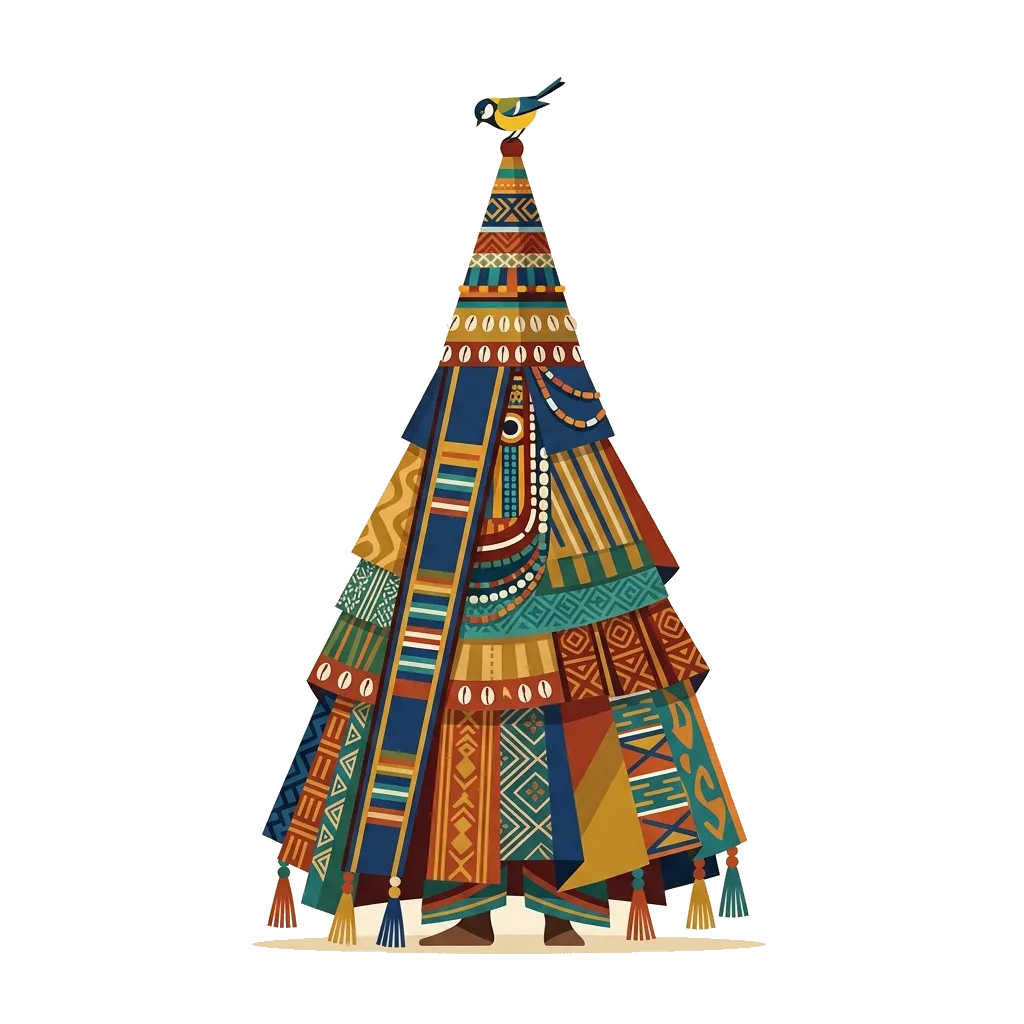
November-December: Egungun and Zangbeto ceremonies. Appearances of ancestor masks and night guardians. The calendar varies by neighbourhood and family; check with local guides for dates. Attending one of these ceremonies with a community guide who can explain the protocols transforms the experience entirely.
-
December: Year-end celebrations. Grand-Popo becomes a gathering place for Beninese from the diaspora and international travellers. Restaurants and bars organise special evenings. The atmosphere between Christmas and New Year is festive and welcoming.
Check the full cultural calendar to plan your trip around events.
What to pack for Grand-Popo depending on the season
Year-round essentials
Regardless of season, these items belong in every bag:
- Mosquito repellent (DEET-based or picaridin): not negotiable
- SPF 50 sunscreen: the UV index is high year-round even on cloudy days
- Rehydration sachets for hot days or mild stomach upset
- A photocopy of your passport kept separately from the original
- A power bank: electricity cuts happen, particularly in the rainy season
- Small bills in FCFA for zemidjans, market shopping and street food
Dry season packing (December to March)
- Light cotton and linen clothing (synthetics trap heat and moisture)
- Swimsuit and rash guard for long sessions in the water
- Wide-brimmed hat or cap
- Sunglasses
- Light jacket or fleece for evenings: the harmattan drops temperatures noticeably after dark in January
Rainy season packing (April to July, September to November)
- Compact raincoat or poncho
- Closed sandals or lightweight waterproof shoes
- Extra DEET repellent: mosquito pressure is higher in wet months
- Quick-drying clothes
- Waterproof dry bag for electronics and documents
- Same year-round essentials as above
Regardless of season, Atlantic currents at Grand-Popo are strong. Always ask a local fisherman or your lodge about safe swimming areas before entering the water. The advice changes with the tide and the season, so ask each day rather than relying on what you were told the day before.
Plan Your Visit
Discover the magic of Grand-Popo with our curated local experiences.