


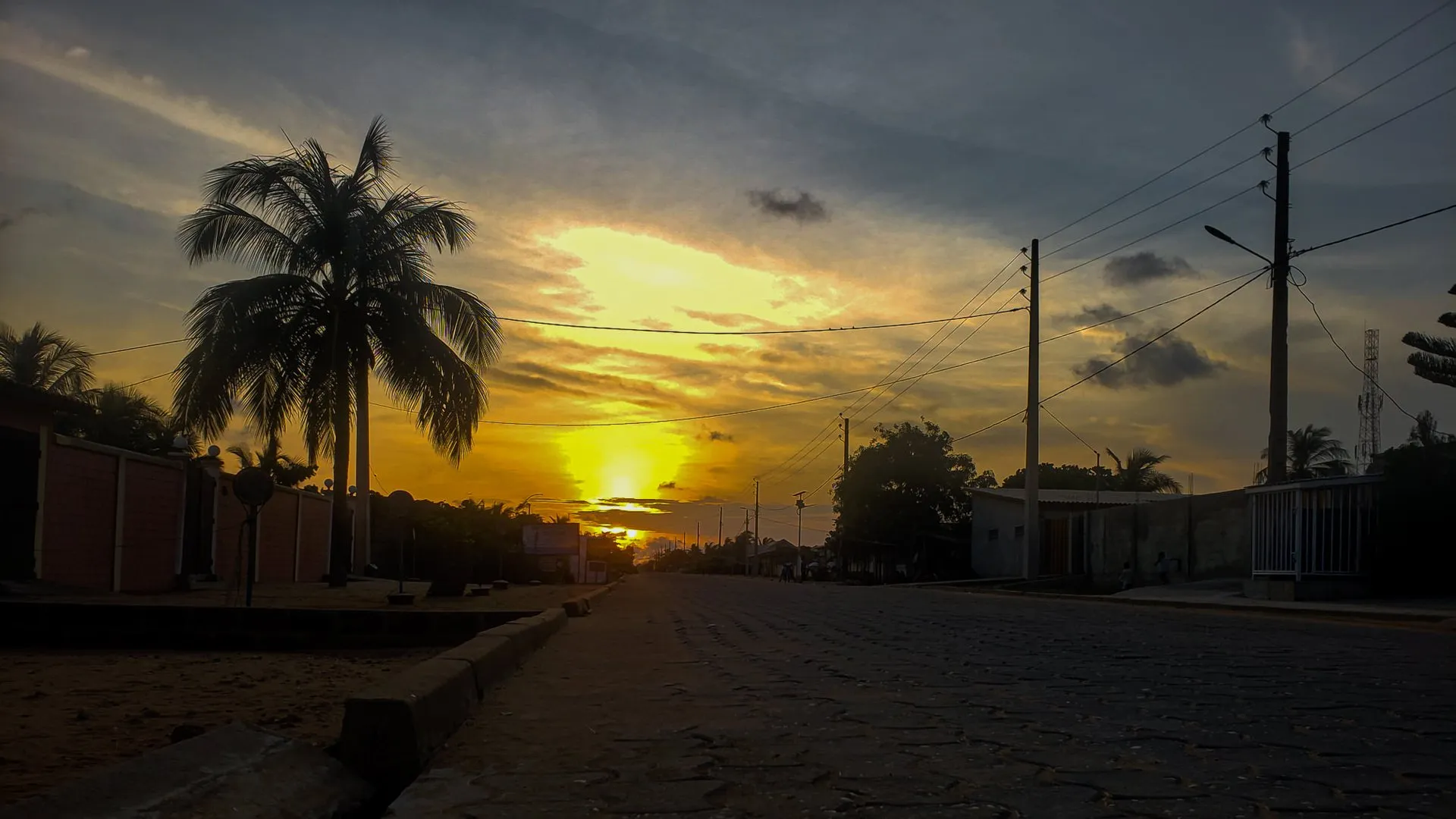
Grand-Popo occupies a strategic position on the Beninese coast, halfway between Togo and the economic capital Cotonou. This location makes it an ideal exploration base for discovering the Slave Coast. Whether you have a day, a weekend or a week, itineraries from Grand-Popo offer a variety of landscapes, cultures and experiences.
See the complete Grand-Popo guide for an overview of the region.
Grand-Popo as your base: four directions, one home
Positioning Grand-Popo as the starting point for your excursions is a practical decision. The town offers all necessary services — comfortable accommodation, quality restaurants, vehicle rental and local guides — while remaining calm enough to serve as a restful base to return to each evening. You can explore a different direction each day without changing accommodation.
Itineraries from Grand-Popo divide into four main directions:
- East: Ouidah (45 minutes), Cotonou (2h30)
- West: Togo border (20 minutes), Lomé (1h30)
- Along the coast: Fishing Route, wild beaches and fishing villages
- North: Lake Aheme, Possotome and the Mono department
Each direction offers a different face of the Beninese coast. Grand-Popo's advantage is allowing day trips without excessive fatigue. Even the journey to Cotonou, the longest, takes two and a half hours, leaving enough time for a full day on site.
Logistics are simple: bush taxis depart regularly from the main crossroads, and local guides know every itinerary. For higher budgets, renting a vehicle with a driver allows you to personalise each excursion — stopping where you like, for as long as you like.
The Fishing Route: the coast's most emblematic track
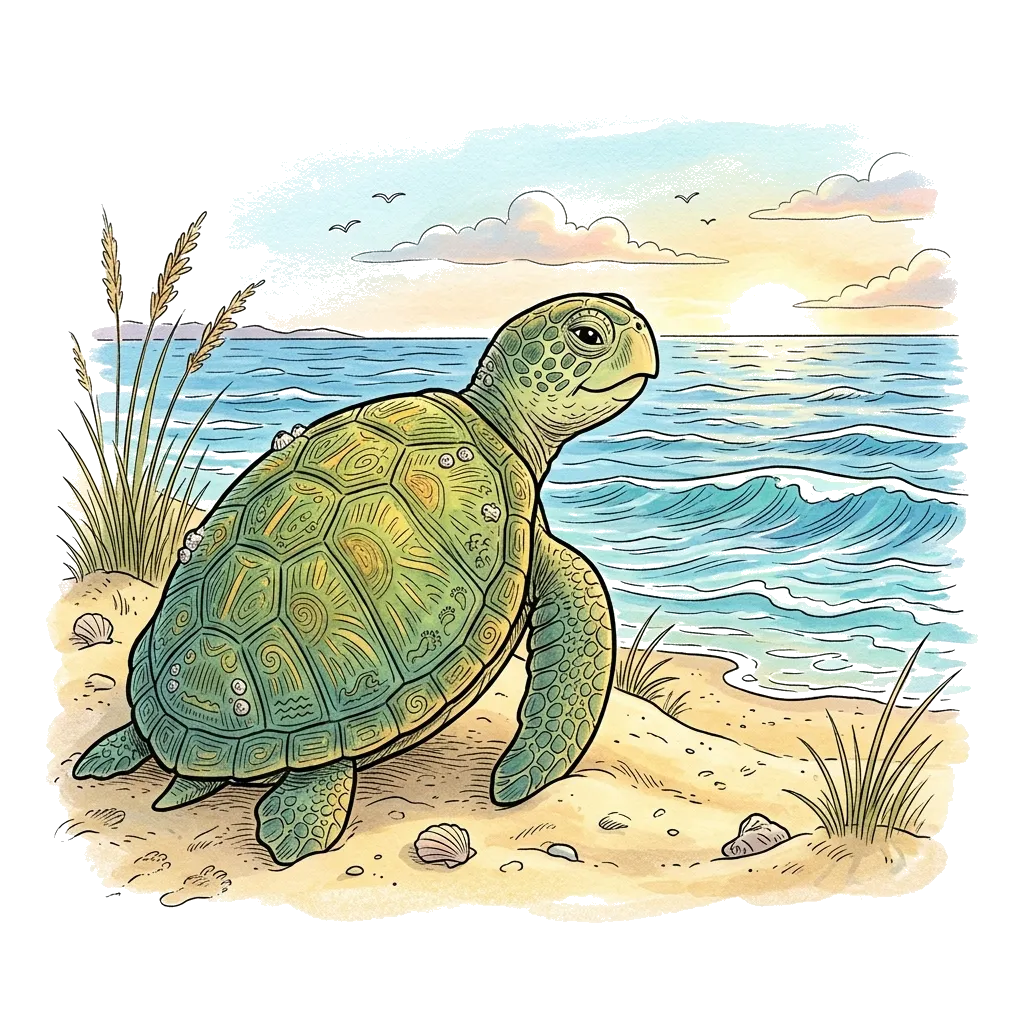
The Fishing Route is the most emblematic coastal itinerary in Benin. This laterite track runs along the Atlantic for about thirty kilometres, connecting Grand-Popo to Cotonou by the seafront. Far from the paved national road, it passes through Xwla fishing villages, coconut groves and deserted beaches.
The complete route
The journey starts in Grand-Popo, heading east. After a few kilometres, the road becomes a track running directly along the beach. Unmissable stops:
- Avlekete: lively fishing village where multicoloured pirogues are pulled onto the sand each morning
- Djegbadji: spectacular viewpoint over the Atlantic and lagoon, best at sunrise
- Pahou beach: wild stretch of sand perfect for a swimming break (watch currents — the Barre is powerful)
- Lagoon mouth at Bouche du Roy: unique landscape where the Mono River meets the ocean in a foamy whirlpool
The track is passable by car in the dry season. In the rainy season (June to October), some sections can be difficult — a 4x4 is recommended. Total duration is two to three hours depending on track condition and stops.
Discover the complete Fishing Route guide.
Grand-Popo to Ouidah: 45 minutes to a place of deep memory
Ouidah, a historic town 45 minutes east of Grand-Popo, is the most obvious cultural excursion from Grand-Popo. Former colonial trading post and departure point of the slave trade to the Americas, Ouidah is today a major site of memory and culture.
What to see in Ouidah
- The UNESCO Slave Route: a four-kilometre ceremonial route linking Place Chacha to Ouidah Beach, lined with statues and monuments commemorating the slave trade. Walk it — do not drive.
- The Python Temple: sanctuary housing dozens of sacred pythons, symbols of Vodun. Entry 1,500 FCFA.
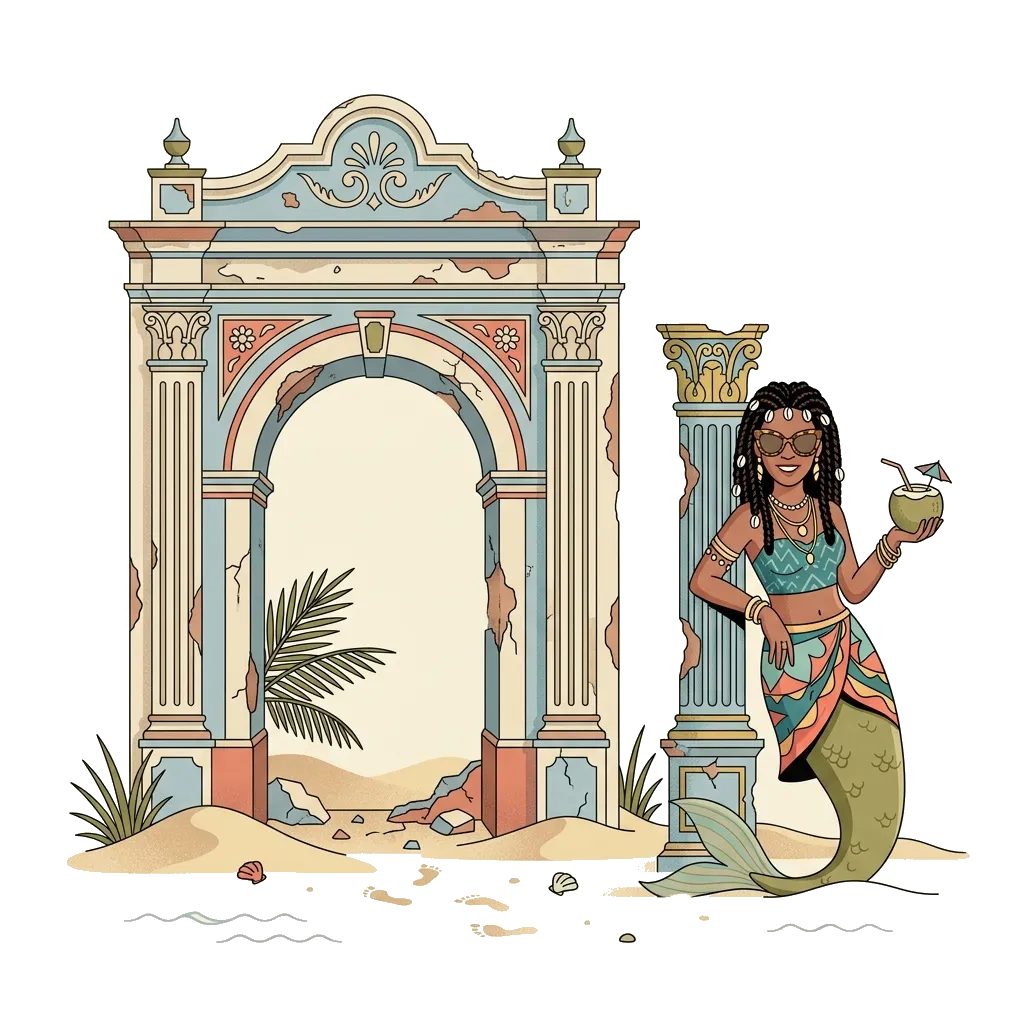
- The Door of No Return: monumental arch on the beach, symbolic departure point of enslaved people to the Americas
- The Sacred Forest: last remnant of Ouidah's primary forest, Vodun worship site with centuries-old trees and monkeys. Entry 2,000 FCFA.
- Ouidah Museum of History: housed in the former Portuguese fort, it traces the town's history from the slave trade to independence. Entry 2,000 FCFA.
- The Basilica of the Immaculate Conception: beautiful Catholic church testifying to the presence of missionaries and Afro-Brazilian heritage
How to get there
The journey by car takes 45 minutes on the national road. By bush taxi, expect 1,500 to 2,500 FCFA (2.30 to 3.80 EUR) per person. Official guides with yellow badges wait at the entrance to the main sites — expect 10,000 to 15,000 FCFA for a full day.
Recommended day plan: early departure from Grand-Popo, morning walk of the Slave Route (the coolest and quietest time), lunch in Ouidah, afternoon at the Python Temple and Sacred Forest, return to Grand-Popo for sunset. Ouidah deserves at least a full day. History enthusiasts will spend two.
Grand-Popo to Cotonou: 85 kilometres and a full day
Cotonou, Benin's economic capital, is 2h30 from Grand-Popo. The journey uses the national road linking Benin to Togo along the coast. Although the route is direct, several stops deserve attention.
Recommended stops on the way
- Ouidah (45 minutes): as described above, this cultural stop is almost obligatory
- Pahou: coastal village with a nice beach and an excellent fresh produce market (mangoes and pineapples at their best)
- Abomey-Calavi: lively university town and access point to Lake Nokoue and Ganvié, the famous stilt village
Arriving in Cotonou, the city offers numerous possibilities: Dantokpa market (one of West Africa's largest, best before 11am), Zinsou Foundation for contemporary African art (free entry, closed Mondays), Fidjrossè beach and seafood restaurants.
Prices and transport to Cotonou
- Private taxi: 25,000 to 35,000 FCFA (38 to 53 EUR) for the trip
- Bush taxi: 1,500 to 2,500 FCFA (2.30 to 3.80 EUR) per person
- Air-conditioned bus: 2,000 to 3,500 FCFA (3 to 5.30 EUR) per person
- Rental car: from 30,000 FCFA (46 EUR) per day
Dantokpa market alone deserves a full morning visit, followed by lunch at one of the seafood restaurants on Fidjrossè beach. The Zinsou Foundation, dedicated to contemporary African art, is a refreshing cultural stop in the afternoon before the return drive.
More details on the Grand-Popo to Cotonou route.
Grand-Popo to Lomé: crossing the border in 1h30
The Togolese capital is surprisingly close to Grand-Popo. Only 20 minutes from the Hilacondji border and 1h30 by road from Lomé city centre, this cross-border excursion is one of the most accessible days out from Grand-Popo. The road after the border runs along the coast with views of Lake Togo — a pleasant introduction to Togo.
Crossing the Hilacondji border
The Hilacondji border is one of West Africa's busiest posts. The procedure is simple but can be long during peak hours:
- Exit Benin: passport check at the Beninese post, exit stamp
- Cross the no-man's-land on foot (50 to 100 metres)
- Enter Togo: present passport, obtain visa if necessary, buy cross-border insurance (5,000 FCFA for one week)
Formalities at a glance
ECOWAS nationals do not need a visa for Togo. For other nationalities, a visa can be obtained on arrival for about 15,000 FCFA (23 EUR). A passport valid for at least six months is required. If driving a rental car, bring written authorisation from the rental company.
What to do in Lomé
- The Grand Market: one of West Africa's largest covered markets — wax fabrics, spices, crafts and fresh produce on several floors
- The seafront: the beach and Boulevard du Mono offer a pleasant walk, especially late afternoon
- The craft village: for quality Togolese textiles and souvenirs, often at prices lower than Benin
- The Sacred Heart Cathedral: fine example of German colonial architecture
- The National Museum of Togo: 2,000 FCFA entry, housed in the former governors' palace
Returning to Grand-Popo in the late afternoon is entirely feasible, allowing a full day in Togo. Plan an early morning start (7am departure) to maximise visiting time.
Complete coastal circuit: three programme lengths
For travellers with three to seven days, the complete coastal circuit combines the best of the Beninese coast.
3-day express programme
- Day 1: Arrive in Cotonou, direct transfer to Grand-Popo (2h30), settle in, sunset on the beach
- Day 2: Full day combining Bouche du Roy in the morning and Ouidah in the afternoon (Slave Route, Door of No Return)
- Day 3: Morning beach and relaxation, return to Cotonou for evening flight
5-day programme
- Day 1: Arrive in Cotonou, settle in, visit Dantokpa market and Zinsou Foundation
- Day 2: Cotonou to Ouidah — cultural day (Slave Route, Python Temple, Sacred Forest)
- Day 3: Ouidah to Grand-Popo via the Fishing Route, stops at Gle and Avlo fishing villages
- Day 4: Grand-Popo exploration day (Bouche du Roy, pirogue excursion on the Mono River, beach)
- Day 5: Day trip to Lomé via Hilacondji border
7-day immersive programme
- Days 1–2: Cotonou and Ouidah in depth (including an evening in Ouidah for the Afro-Brazilian quarter at sunset)
- Day 3: Transfer to Grand-Popo via the Fishing Route
- Days 4–5: Grand-Popo: Bouche du Roy, pirogue on the Mono River, beaches, Villa Karo, Lion Bar at sunset
- Day 6: Day trip to Lomé (Togo)
- Day 7: Morning in Grand-Popo, return to Cotonou
This circuit offers an excellent balance of culture, nature and relaxation, with Grand-Popo as the highlight. The total budget for this programme is about 400,000 to 600,000 FCFA (610 to 915 EUR) per person, transport and accommodation included.
Complete coastal circuit programme.
Day trips you can do from Grand-Popo
If your time is limited, several day trips are easily achievable:
- Ouidah (half-day): Slave Route, Python Temple, Door of No Return. Budget: 15,000 FCFA (23 EUR) on bush taxi return, entry fees 5,000 FCFA.
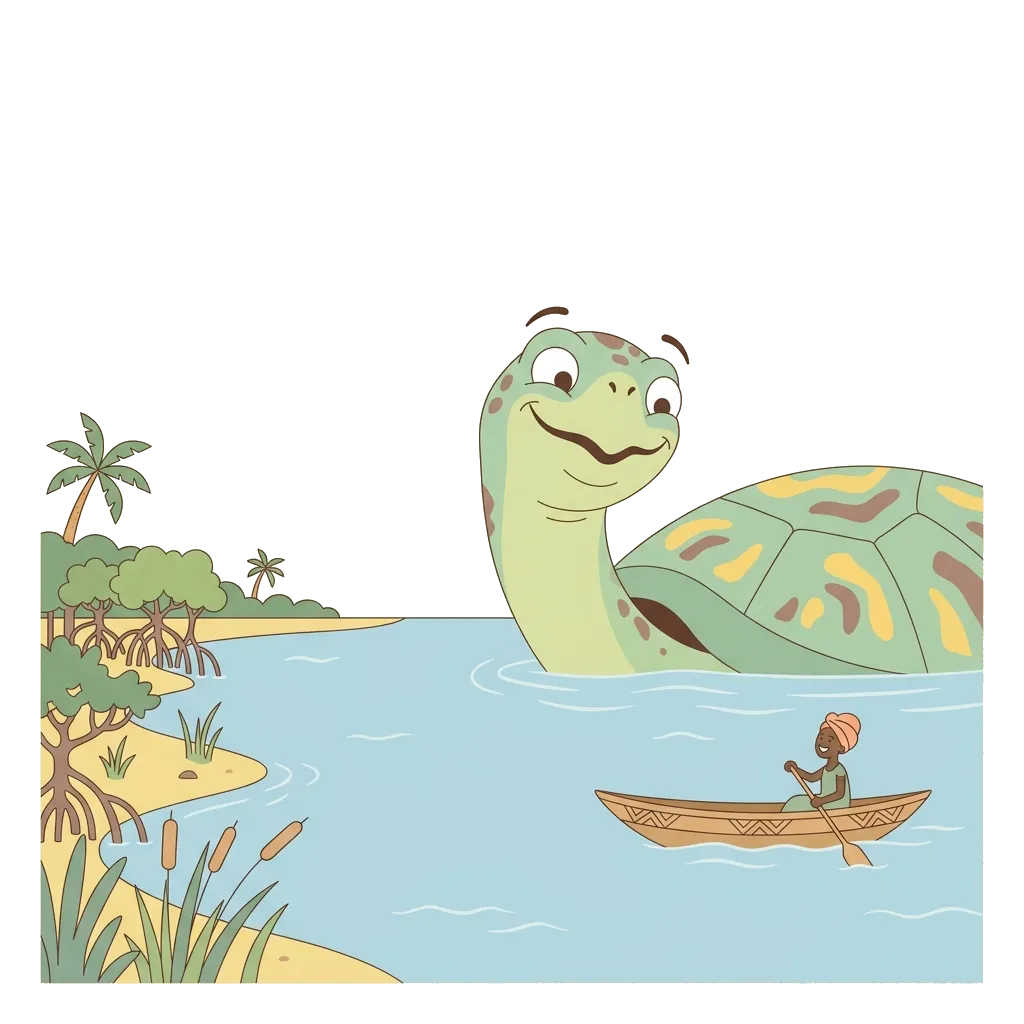
- Bouche du Roy (half-day): pirogue excursion in the lagoon where the Mono River meets the ocean. Budget: 20,000 to 35,000 FCFA (30 to 53 EUR) guide and pirogue included.
- Lake Aheme and Possotome (full day): Possotome market (Wednesdays), lake, stilt villages. Budget: 25,000 FCFA (38 EUR) transport included. A lesser-known but deeply rewarding option.
- Aneho, Togo (30 minutes): former capital of German Togo, colonial architecture, beach. Easy half-day.
- Fishing Route (half-day): coastal track to Pahou or Cotonou. Budget: transport costs only.
The Possotome and Lake Aheme excursion
A lesser-known but equally rewarding option is the excursion to Possotome and Lake Aheme, one hour north of Grand-Popo. The Possotome market, held every Wednesday, is one of the most colourful and authentic in the region. You find tropical fruit, vegetables, smoked fish, local crafts and a warm, lively atmosphere unlike anything on the coast.
After the market, head to Lake Aheme for a pirogue ride through stilt villages. Fishermen cast their nets in calm water reflecting the sky, children wave from their raised doorways. It is a journey into rural, peaceful Benin, far from the beaten track, perfectly complementing Grand-Popo's coastal experience.
Coastal road trip: Cotonou to Grand-Popo at your own pace
For driving and adventure enthusiasts, the coastal road trip from Cotonou to Grand-Popo is an unforgettable experience. The road, though sometimes rough on the Fishing Route section, offers breathtaking panoramas: beaches stretching to infinity, coconut groves, fishing villages, shimmering lagoons.
Leaving Cotonou early in the morning allows you to enjoy the soft light and avoid the capital's traffic jams. After Ouidah and its historic sites, the road draws closer to the ocean and the vegetation becomes denser. Coconut palms multiply, villages become more spaced out, and gradually the rhythm slows. You sense you are approaching a different world.
Arriving in Grand-Popo in the late afternoon, as the sun sets, is one of the most moving moments of the journey. The sky turns shades of orange and pink while the pirogues return from fishing. On the beach, a few silhouettes walk at the water's edge. The sound of the waves welcomes the traveller like a promise of tranquil days ahead.
Some drivers deliberately choose to take the Fishing Route for the final approach to Grand-Popo — leaving the tarmac of the RNIE1 at the Avlo junction and joining the ochre track that runs directly along the ocean for the last twenty kilometres. This alternative adds 30 to 45 minutes but provides a spectacular finale to the road trip.
Plan Your Visit
Discover the magic of Grand-Popo with our curated local experiences.