





Travelling between Grand-Popo and Cotonou is an essential route for any visitor or resident of the Beninese coast. Whether for administrative errands, shopping, an excursion or an international flight, you will regularly use this road through varied landscapes. Here are all the options for this journey.
The RNIE1: 85 kilometres, mostly straightforward
The distance between Grand-Popo and Cotonou is about 85 kilometres via the paved national road RNIE1. Travel time varies considerably depending on the mode of transport, time of day and traffic conditions.
In normal conditions, allow 1h30 to 2h30 by road. At peak hours (7:30am–9:00am and 5:00pm–7:00pm), the journey can take up to 3 hours, especially through Abomey-Calavi and central Cotonou.
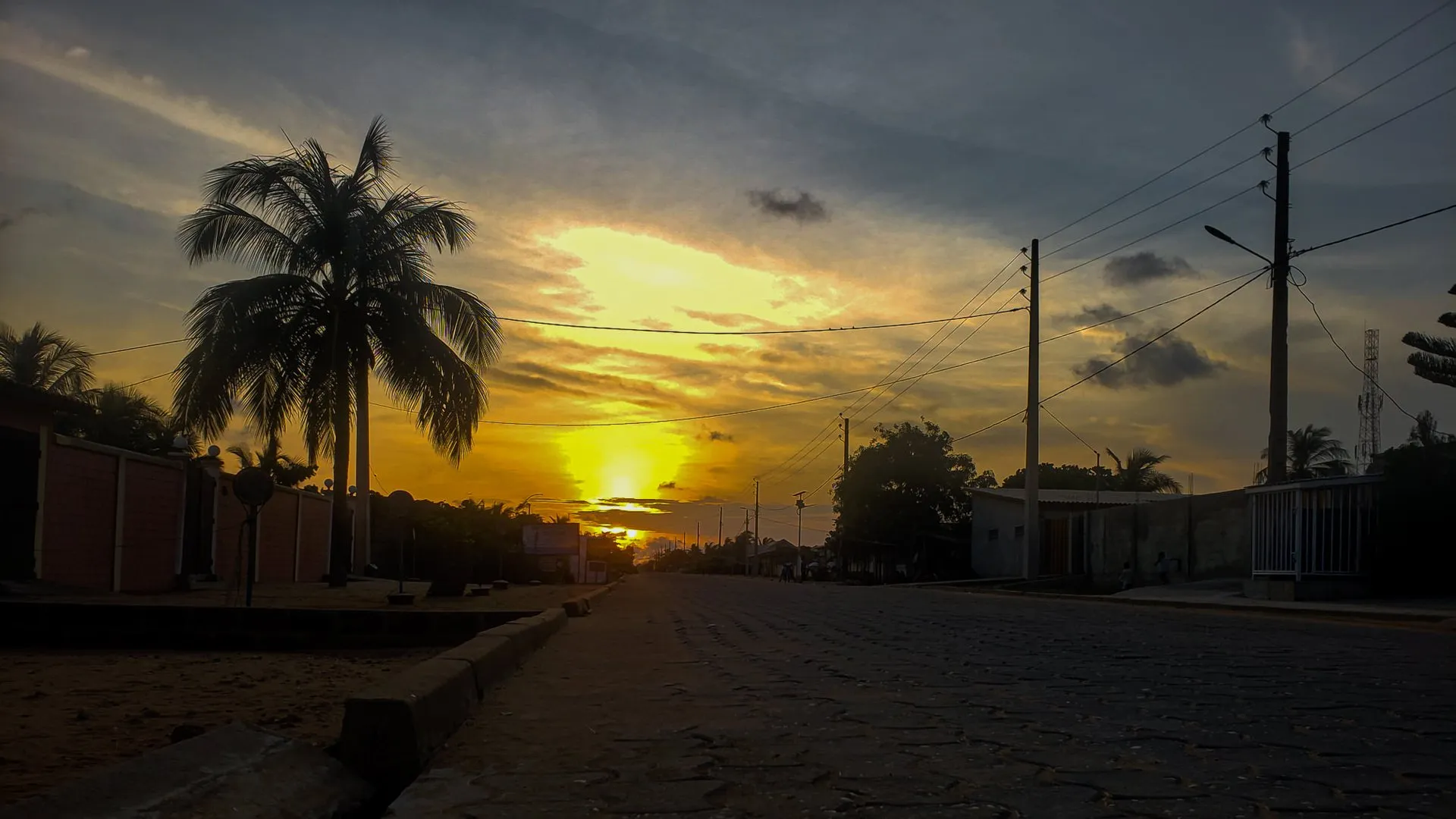
The road landscape: the route first takes the coastal national road, passing through Hillacondji, Avlo junction, Coma and Ouidah before continuing to Pahou, Godomey and Abomey-Calavi. The scenery alternates between coconut groves, oil palm plantations, marshes and increasingly dense urban areas as you approach Cotonou. The final 20 kilometres through Calavi and Cotonou are the most congested.
Two route options:
- RNIE1 direct (recommended): fully paved, fastest
- Via the Fishing Route (scenic alternative): ochre track from Grand-Popo to Ouidah, then paved RNIE1 to Cotonou. Adds 30 to 60 minutes but passes through Gle, Avlo and Bouche du Roy. Requires a 4x4 or high-clearance vehicle after rain.
By car: the most flexible option
A personal car is the most flexible and comfortable option for this journey.
Turn-by-turn from Grand-Popo
From Grand-Popo, take the RNIE1 east toward Ouidah. You will pass through Hillacondji (5 km), the Avlo junction (15 km), and Coma before reaching Ouidah after about 30 minutes. Continue on the RNIE1 through Pahou, Godomey and Abomey-Calavi. At Calavi, the road becomes increasingly busy all the way to Cotonou.
GPS use: the RNIE1 is straightforward, but GPS is genuinely useful for navigating Cotonou's inner districts and avoiding traffic jams. Offline maps (Maps.me or Google Maps downloaded) work well in areas with weak signal.
Costs for a private car
- Fuel: 5,000 to 7,000 FCFA (7.62 to 10.67 EUR) one way, depending on vehicle consumption
- Toll at Pahou: 500 FCFA (0.76 EUR) for a private car — have coins ready
- Parking in Cotonou: 200 to 500 FCFA (0.30 to 0.76 EUR) per hour; favour monitored car parks near Dantokpa or the port area
If you do not have a vehicle, see our article on transport in Grand-Popo for rental options.
Bush taxi: cheapest and most frequent
The bush taxi is the most widespread form of public transport in Benin and the cheapest option for this route.
Departure point: bush taxis leave from Grand-Popo bus station (near the central market). Departures happen when the vehicle is full — 6 to 8 passengers. In the morning, vehicles fill quickly; after 11am, you may wait longer.
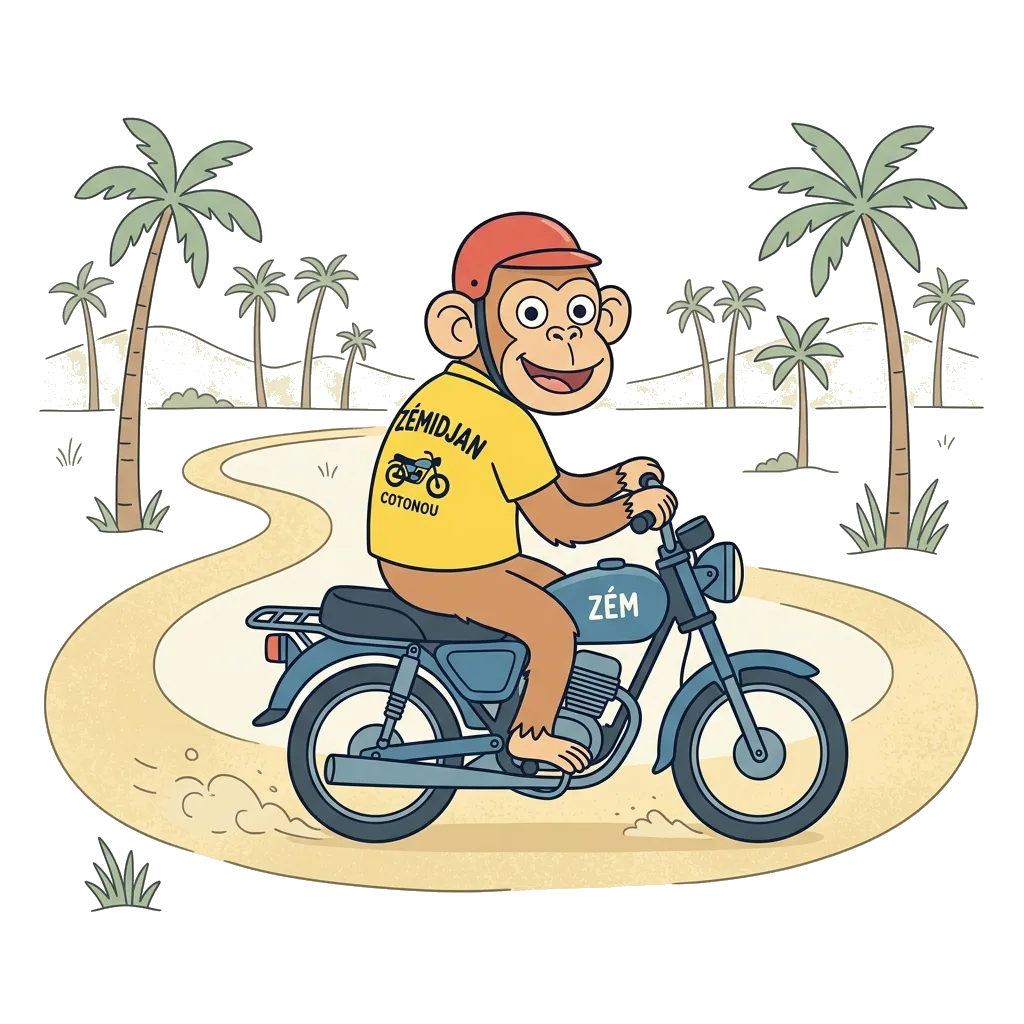
Route: the taxi uses the RNIE1 and drops passengers at Abomey-Calavi bus station. From there, take a zemidjan (moto-taxi) or yellow taxi for your final destination in Cotonou. Allow 500 to 1,000 FCFA and 20 to 30 minutes for the Calavi-to-Cotonou leg.
Duration: 2 to 3 hours depending on number of stops and traffic.
Cost: 1,500 to 2,500 FCFA (2.29 to 3.81 EUR) per person.
Bush taxis are standard saloon cars (Toyota Corolla, similar), sometimes older models. For a few thousand FCFA extra, you can negotiate a private "taxi en doute" — the driver takes no additional passengers and drops you at your precise destination. Expect 10,000 to 15,000 FCFA for a private taxi all the way to Cotonou.
Bus: air-conditioned and on schedule
Several bus companies serve the region with better comfort than bush taxis.
Companies operating the route: Intercape, Confort Lines and other regional operators offer regular services between Cotonou and Grand-Popo. Check current schedules at the Grand-Popo bus station or via WhatsApp with the operators.
Boarding points:
- In Cotonou: Dantokpa bus station or Calavi
- In Grand-Popo: the town centre stop on the RNIE1
Frequency: approximately 4 to 6 buses per day in each direction.
Duration: about 2 hours.
Cost: 2,000 to 3,500 FCFA (3.05 to 5.34 EUR) per person.
Buses are air-conditioned, have assigned seating and run on fixed schedules — more predictable than bush taxis and more comfortable on a warm day.
Duration and cost at a glance
Private car
| Option | Duration | Cost |
|---|---|---|
| Single trip | 1h30–2h30 | Fuel: 5,000–7,000 FCFA (7.62–10.67 EUR) |
| Toll (Pahou) | — | 500 FCFA (0.76 EUR) |
| Parking in Cotonou | — | 200–500 FCFA (0.30–0.76 EUR) per hour |
Bush taxi
| Option | Duration | Cost |
|---|---|---|
| Shared seat | 2h–3h | 1,500–2,500 FCFA (2.29–3.81 EUR) |
| Private taxi | 1h30–2h | 10,000–15,000 FCFA (15.24–22.86 EUR) |
Bus
| Option | Duration | Cost |
|---|---|---|
| Air-conditioned bus | 2h | 2,000–3,500 FCFA (3.05–5.34 EUR) |
Stops worth making on the route
Ouidah — 30 minutes from Grand-Popo
The historic town deserves at minimum a 2-hour stop, and ideally a full day. The Door of No Return, Python Temple and Sacred Forest are the main sites. The History Museum in the Portuguese fort (2,000 FCFA entry) is the best starting point for historical context.
If you are short on time: Python Temple (30 minutes) + walk to the Door of No Return and back (1 hour) covers the emotional core of the visit.
See our article on the Grand-Popo to Ouidah excursion for a complete programme.
Pahou — 45 minutes from Grand-Popo
A small market town on the RNIE1 with an excellent fruit and vegetable market. Pineapples and mangoes are excellent quality and noticeably cheaper than in Cotonou. The toll booth is here (500 FCFA). Pahou is also the junction point for routes heading inland.
Bouche du Roy — 15-minute detour from the RNIE1
A 15-minute detour from the RNIE1 via a laterite track brings you to the Mono River mouth. The viewpoint from the bank over the lagoon and ocean is magnificent, especially in the morning. If you have 2 hours to spare, a pirogue excursion is available here. Discover Bouche du Roy.
Abomey-Calavi — gateway to Cotonou
The last major town before Cotonou. Traffic is dense here regardless of the hour, but slightly better before 7:30am and between 10am and 4pm. The lakeside area near the ferry terminal has a good fresh fruit juice stand — a useful stop before the urban grind.
Dantokpa in Cotonou — half-day minimum
The largest open-air market in West Africa, with sections for fresh produce, fabrics, traditional medicine, hardware and crafts. The freshest produce is between 7am and 11am. Keep your bag in front of you and carry small notes for purchases.
Tips for a smooth journey
- Avoid peak hours: leave Grand-Popo before 6:30am or after 10:00am to bypass the Abomey-Calavi traffic jam
- Leave in the morning: cooler temperatures and lighter traffic on the coast section
- Bring water: the journey can be long in the dry season heat
- Use GPS in Cotonou: the route to the centre is straightforward, but inner-city navigation is easier with GPS
- Keep small change: for the toll, zemidjan fares and market purchases
- Do not leave valuables visible in an unattended car: favour monitored car parks near Dantokpa
To organise your whole stay, our 5 to 7-day coastal circuit integrates travel, accommodation and activities: Benin coastal circuit.
FAQ
What is the distance between Grand-Popo and Cotonou? About 85 kilometres via the RNIE1.
How long does the journey take? 1h30 to 2h30 depending on the mode of transport and traffic. Add 30 to 60 minutes at peak hours.
What is the cheapest transport? The shared bush taxi (1,500 to 2,500 FCFA, 2.29 to 3.81 EUR per person).
Is there a direct bus? Yes, Intercape and Confort Lines offer regular services with about 4 to 6 departures per day in each direction.
Do I need a 4x4 for this route? No, the RNIE1 is paved throughout. A 4x4 is only needed if you take the Fishing Route alternative through Avlo and Bouche du Roy.
Can I do a return trip in one day? Yes, entirely possible. Leave before 7am to reach Cotonou by 9am and have a full day before the 4pm return.
Plan Your Visit
Discover the magic of Grand-Popo with our curated local experiences.