


The Benin coastal circuit is one of the most beautiful itineraries in West Africa. In five to seven days, it reveals the cultural richness, natural beauty and human diversity of the Beninese coast, from Cotonou to the Togolese border. Grand-Popo is the beating heart of this route.
Why this coastal circuit works
This circuit is designed for travellers who want to combine culture, nature and relaxation on the coast. It alternates historical visits, nature immersions and free time on the beaches.
What makes it practical: no stop is more than 2 hours from the next. Distances along the coast are short — 85 kilometres from Grand-Popo to Cotonou, 55 kilometres to Lomé. You can settle into one or two bases and day-trip without daily repacking.
The loop is easy to do with a rental car, private taxi or public transport. The circuit is feasible all year round. The best season is November to March (dry season), when temperatures are pleasant and secondary tracks are passable. During the rainy season (April to July), some sections of the Fishing Route may require a 4x4.
Day-by-day programme: 5 or 7 days
Day 1 — Arrive in Cotonou
Arrive at Cotonou international airport. Transfer to hotel. Settle in and first discovery of the capital. Walk along the lagoon and dinner at a grilled fish restaurant on Fidjrossè beach.
Accommodation: hotel on the lagoon or Fidjrossè beachfront in Cotonou.
Day 2 — Cotonou and Dantokpa market
Morning: visit Dantokpa market, one of West Africa's largest open-air markets. Allow 2 to 3 hours. The freshest section is between 7am and 10am. Keep your bag in front of you in the densest areas.
Afternoon: visit the Zinsou Foundation (contemporary African art, free entry) and Notre-Dame-des-Apotres cathedral. The botanical garden near the port is a calm ending to a busy day.
Evening: dinner on Fidjrossè beach.
Day 3 — Cotonou to Grand-Popo via Ouidah
Morning: road to Ouidah (40 minutes from Cotonou). Full day in the historic town: the Slave Route (4 km on foot), the Door of No Return, the Python Temple, the cathedral, the Sacred Forest. Entry fees: Python Temple 1,500 FCFA, Sacred Forest 2,000 FCFA, History Museum 2,000 FCFA.
Afternoon: lunch at a local restaurant in Ouidah. Then drive on to Grand-Popo (30 minutes).
Accommodation: ecolodge in Grand-Popo. See our selection of the best ecolodges.
Day 4 — The Fishing Route and Bouche du Roy
Morning: travel the Fishing Route from Grand-Popo toward Bouche du Roy. Key stops:
- Avlo (15 km from Grand-Popo): fishing village with pirogues pulled onto the sand, coconut grove walk
- Gle (20 km): the most authentic village on the route, fishermen mending nets from dawn
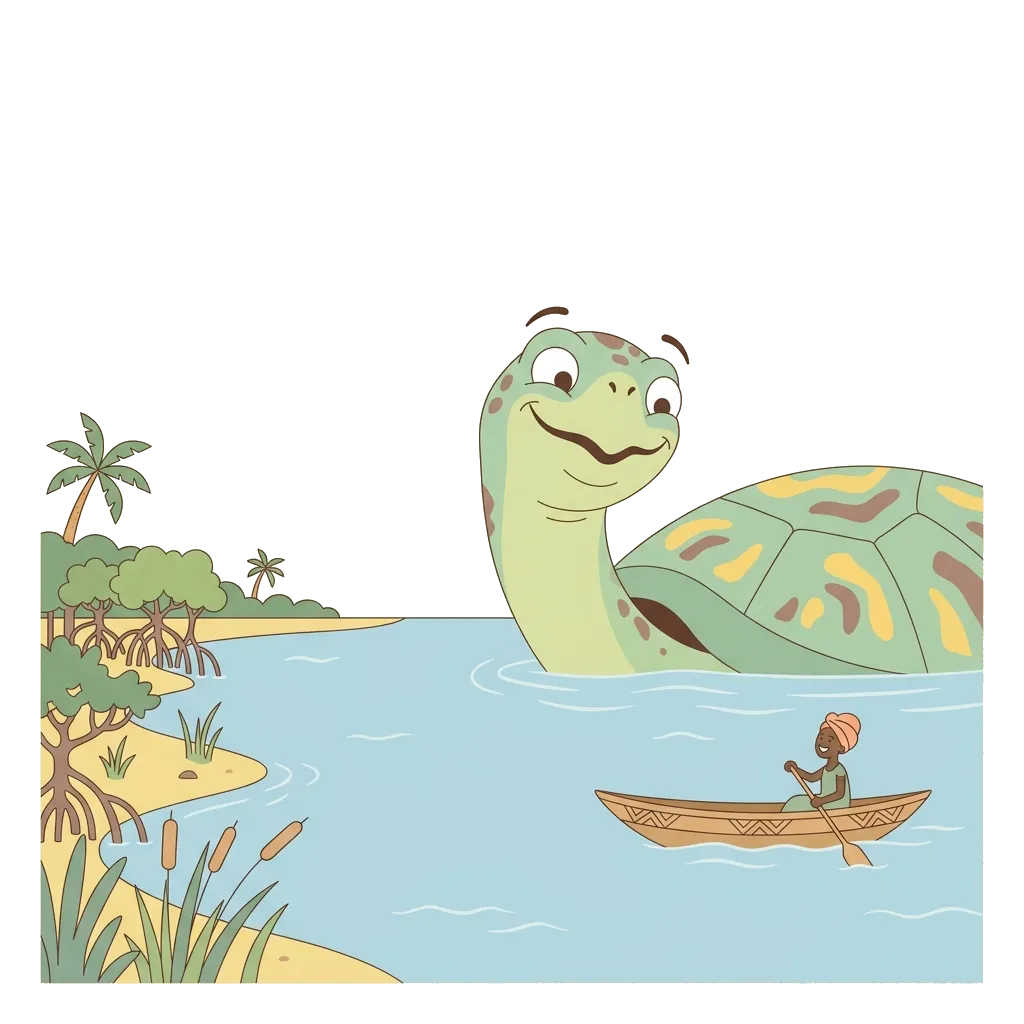
- Bouche du Roy (35 km): pirogue excursion in the lagoon, birdwatching in the mangroves (herons, kingfishers, egrets), where the Mono River meets the Atlantic
Pirogue cost: 2,000 to 5,000 FCFA per boat. Negotiate before boarding. Allow 1.5 to 2 hours on the water.
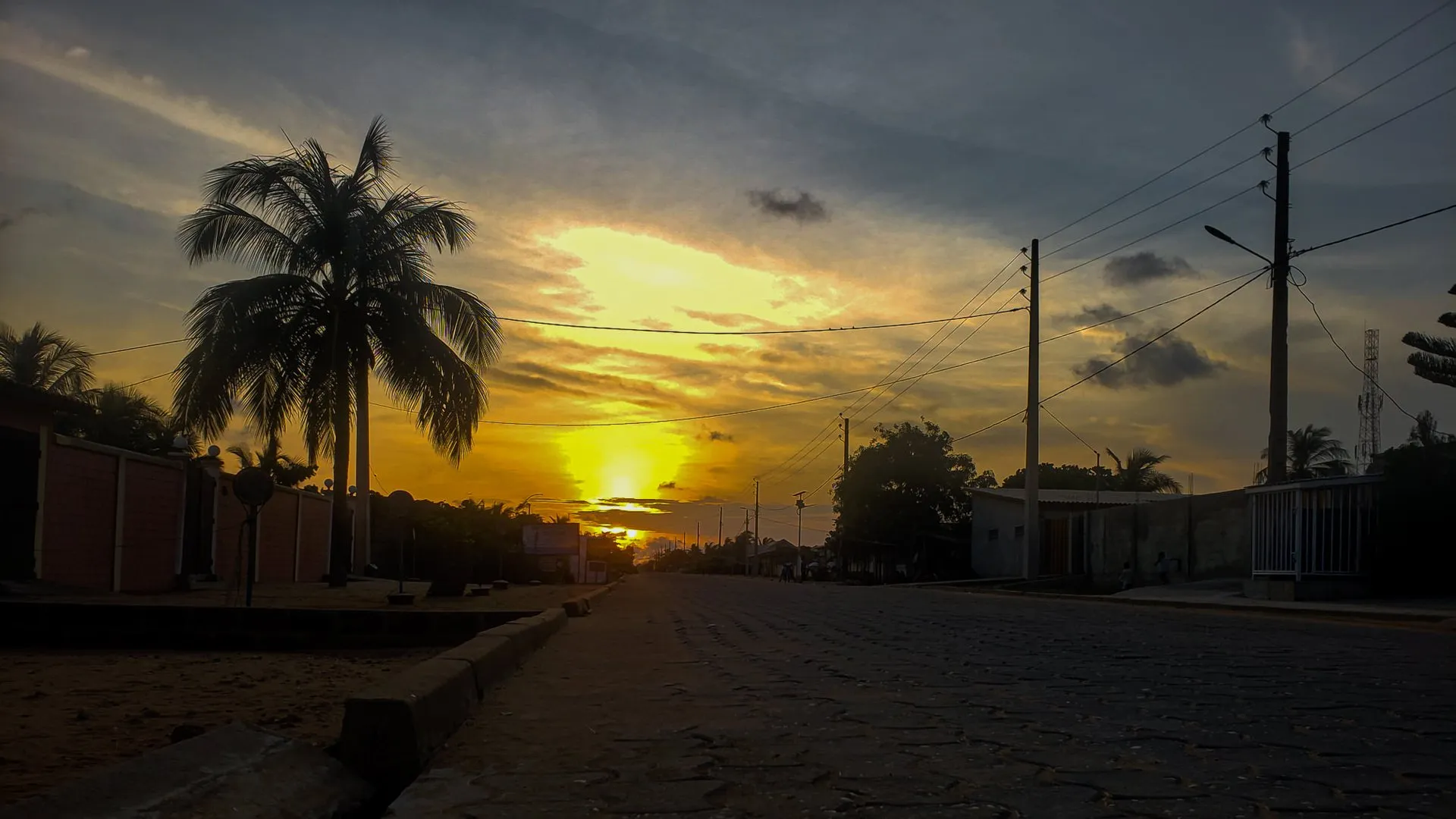
Afternoon: return to Grand-Popo, beach break. Evening: sunset at Lion Bar.
Day 5 — Grand-Popo: nature, salt and culture
Morning: walk through the salt pans at the edge of the lagoon and discover artisanal salt-making with Xwla women. The harvesting is done by hand using wooden tools; the guide explains the process and its place in the local economy. Visit fishing villages on foot. Discover the Xwla people and their traditions.
Afternoon: pirogue excursion on the Mono River or swimming on the beach. Optional Beninese cooking class at one of the ecolodges (book the previous evening, 15,000 to 25,000 FCFA per person). Evening: dinner at Chez Paterne or your ecolodge.
Day 6 — Grand-Popo to Lomé (Togo)
Morning: road to Lomé via the Hillacondji border (15 km from Grand-Popo town centre, then 40 km to Lomé). Allow 30 to 45 minutes at the border. ECOWAS nationals: no visa. Other nationalities: visa on arrival, 10,000 to 15,000 FCFA. Bring vehicle registration and written authorisation if driving a rental.
Day in Lomé: Grand Market (2 hours), Sacred Heart Cathedral, National Museum of Togo (2,000 FCFA entry), seafront promenade. Lunch: grilled fish on Lomé beach, 4,000 to 7,000 FCFA.
Afternoon: return to Grand-Popo. Our guide to the Grand-Popo to Lomé route details all formalities.
Day 7 — Departure
Last morning in Grand-Popo: swim, final market purchases or beach walk. Transfer to Cotonou airport (2 hours; leave by 10am for a 1pm flight, 7am for an early flight). Or extend the trip north to Lake Aheme and Possotome.
5-day version: cut Day 2 (skip Dantokpa, go directly Cotonou → Ouidah → Grand-Popo on Day 1 afternoon) and combine Days 5 and 6 (Mono River morning, Lomé in the afternoon only if staying near the border).
Cotonou: what to do in a day and a half
Cotonou deserves a day and a half of exploration. Beyond Dantokpa market, do not miss:
- The Zinsou Foundation: reference contemporary art museum in West Africa. Free entry. Closed Mondays.
- The fishing port of Cotonou: guaranteed spectacle from sunrise, with pirogues returning and the fish market in full swing
- Fidjrossè beach: Cotonou's beachfront district with beach bars and restaurants; livelier on weekends
- The botanical garden and nature park: the city's green lung, good for an early morning walk
Grand-Popo: why it earns three nights
Grand-Popo is the heart of the circuit. Settling here for three nights allows you to explore without rushing. Activities include:
- Swimming and relaxation on wild, uncrowded beaches
- Pirogue excursions on the Mono River and Lake Ahome
- Salt pan visits and artisanal salt craft with the Xwla women
- Birdwatching in the mangroves (over 100 species recorded in the area)
- Cooking classes and sodabi tasting
- Evenings at Lion Bar watching the sun drop into the ocean
Do not miss our guide to Grand-Popo activities for organising your days.
Ouidah: one day is the minimum
Ouidah is a must on the coastal circuit. Historic centre of the slave trade, it is today a major site of memory and culture.
The unmissables:
- Door of No Return: emblematic monument on the beach, facing west toward the Americas
- Slave Route: 4-kilometre path punctuated with bronze statues — do this on foot, early morning
- Python Temple: sacred Vodun site where royal pythons live freely
- Place Chacha: historic square with the former Portuguese fort, now the History Museum
- Ouidah History Museum (in the fort): traces the slave trade through objects, maps and photographs
- Kpasse Sacred Forest: nature sanctuary with Vodun statues among centuries-old trees
Our article on the Grand-Popo to Ouidah excursion gives a detailed programme for the day.
Bouche du Roy: the circuit's natural highlight
Bouche du Roy is where the Mono River meets the Atlantic Ocean. It is an exceptional natural site where lagoon, mangroves and sandbanks converge.
The pirogue excursion is essential. You will discover local wildlife: migratory birds, mangrove crabs, fish. Local fishermen will show you their traditional techniques. The best time is early morning, when bird activity peaks and the light is golden.
A second option at Bouche du Roy is walking the sandbar that separates the lagoon from the ocean — a narrow strip of land with water on both sides, especially striking at high tide.
Complete guide to Bouche du Roy for preparing your visit.
Lomé: one day across the border
Lomé, capital of neighbouring Togo, is easily accessible from Grand-Popo. A day trip is entirely feasible; plan an early departure to maximise time.
Lomé highlights: the Grand Market, the National Museum of Togo (housed in the former governors' palace), the Sacred Heart Cathedral and the seafront promenade. Craft lovers will find good quality and fair prices at the craft village next to the Independence Monument.
Grilled fish lunch on Lomé beach is a must. Expect 4,000 to 7,000 FCFA (6.10 to 10.67 EUR) for a full meal with attieke and sauce.
Budget: two levels, clear figures
Indicative budget per person for the 7-day circuit, excluding international flight.
Economical budget (public transport, modest accommodation, local meals)
- Accommodation: 7 nights × 15,000 FCFA = 105,000 FCFA (160 EUR)
- Meals: 7 days × 7,000 FCFA = 49,000 FCFA (75 EUR)
- Transport: 35,000 FCFA (53 EUR)
- Activities and visits: 20,000 FCFA (30 EUR)
- Miscellaneous: 15,000 FCFA (23 EUR)
- Total: 224,000 FCFA (341 EUR)
Comfortable budget (private taxi, ecolodges, beach restaurants)
- Accommodation: 7 nights × 60,000 FCFA = 420,000 FCFA (640 EUR)
- Meals: 7 days × 15,000 FCFA = 105,000 FCFA (160 EUR)
- Transport: 70,000 FCFA (107 EUR)
- Activities and visits: 50,000 FCFA (76 EUR)
- Miscellaneous: 30,000 FCFA (46 EUR)
- Total: 675,000 FCFA (1,029 EUR)
Compare with the cost of living in Grand-Popo to adjust your budget if extending the stay.
FAQ
What is the best season for this circuit? November to March (dry season). Temperatures are more pleasant and secondary tracks are passable without a 4x4.
Do I need a 4x4 for this circuit? No, main roads are paved throughout. A 4x4 is useful for secondary tracks to Bouche du Roy, especially after rain.
Can I do this circuit on public transport? Yes, bush taxis and buses serve all main stops. For Bouche du Roy, you will need to negotiate a detour or local transport from the main road.
How many days for this circuit? 5 days for a quick version with less time in each place, 7 days for a complete, relaxed experience.
Do I need a visa for Togo? ECOWAS nationals do not need a visa. Other nationalities obtain a visa on arrival at the Hillacondji border post.
What is the total budget for 7 days? Between 224,000 and 675,000 FCFA (341 to 1,029 EUR) depending on comfort level, excluding international flights.
Plan Your Visit
Discover the magic of Grand-Popo with our curated local experiences.