





Grand-Popo lives to the rhythm of a dense cultural calendar, where each month brings its share of celebrations, ceremonies and gatherings. This Grand-Popo cultural calendar guides you month by month to choose the ideal time for your visit and not miss the events that make the coastal town's heart beat.
For a strategic view of the best travel period, see our guide when to visit Grand-Popo. And to understand the spiritual depth of these celebrations, dive into our page on Vodun in Grand-Popo.
Three rhythms, one calendar
Grand-Popo's cultural calendar combines three distinct temporalities. The Vodun ritual calendar, rhythm by lunar cycles and obligations to deities. The seasonal calendar, following tides, agricultural cycles and fishing. The contemporary calendar, with national holidays, festivals and modern cultural events.
Each month has its colour, atmosphere and appointments. The visitor who chooses their period based on events discovers a Grand-Popo more intense, more vibrant, more connected to its deep identity. The town does not perform its culture for visitors — it simply lives it, and the visitor who arrives at the right moment is folded into that life.
One thing worth understanding before consulting any calendar: traditional ceremonies operate on a different logic than tourist events. A ceremony that was scheduled for Friday may shift to Sunday because the diviner said so. The most important dates are announced a few days in advance, not weeks. Flexibility is not optional — it is the price of access to the most extraordinary experiences.
Here is the month-by-month breakdown of the year's main events.
January: Vodun festival and ancestor returns
January 10 is the most important day in the Beninese cultural calendar. The national Vodun Festival, established in 1997 by the government, is celebrated across the country, but Grand-Popo is one of its main centres.
Celebrations begin the day before. Vodun convents hold prayer and preparation vigils. On the morning of January 10, the faithful dressed in white converge on public squares and convent courtyards. Drums resound, dances begin, ritual possessions follow one after another. By 7am the town already sounds different — the air thicker, the pace slower, the silences between drumbeats more charged.
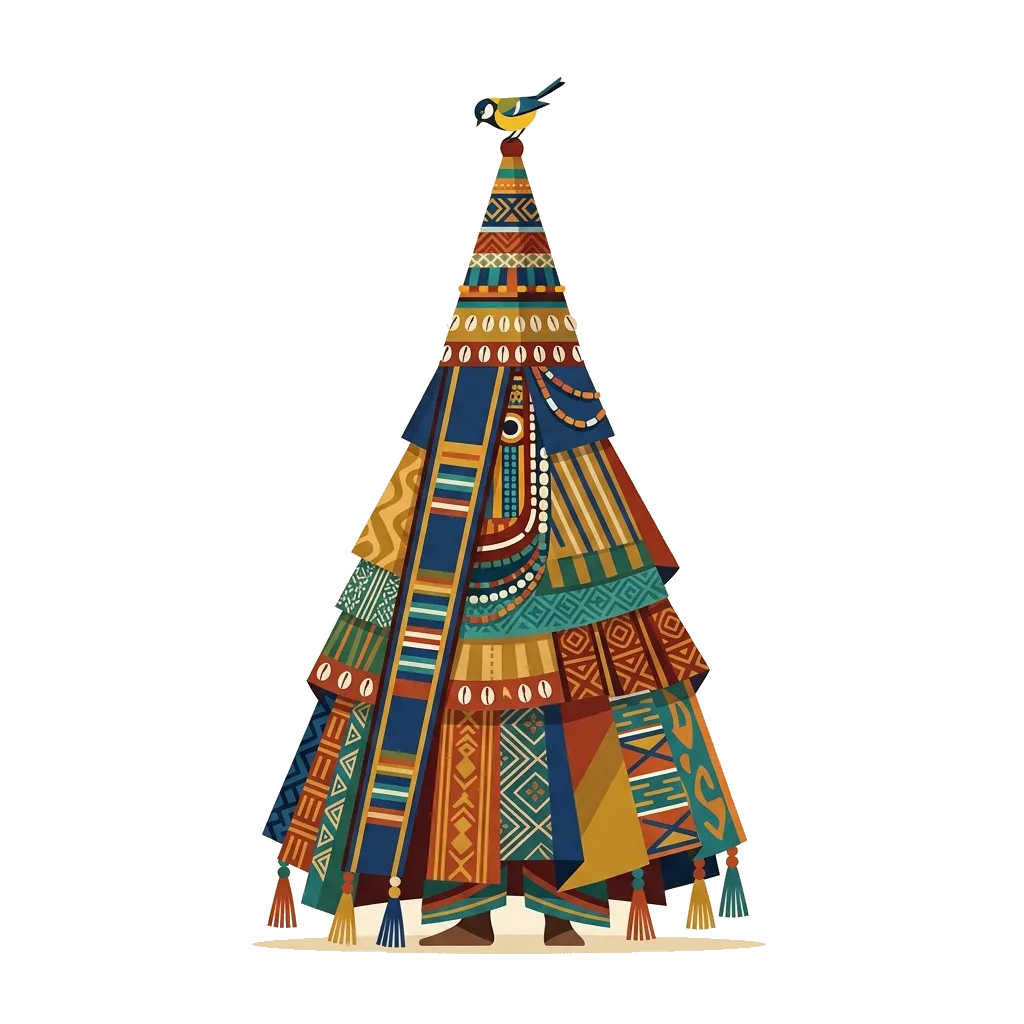
Egungun appear in force during this period. Families organise the return of their ancestors, the oldest and most sacred costumes are deployed. Zangbeto patrol day and night. Walking through a Grand-Popo neighbourhood at dawn on January 10, before the crowds arrive, before the heat builds — that alone is worth planning the trip around.
The entire week leading up to January 10 carries its own energy. Altars are cleaned and freshly decorated. Priests consult the Fa divination system to determine the right offerings. Initiates begin preparing their ceremonial dress. Strangers who arrive on January 8 encounter a town that is already charged, already turned inward toward something important. The buildup is part of the event.
Crowds peak: book your accommodation several weeks in advance. Prices are higher and availability limited. The whole town is in celebration for three to five days around this date.
Our complete guide to the Vodun Festival on January 10 gives you all the keys to experience this event in the best conditions.
Climate. Dry season. Maximum sunshine, temperatures around 28-30 degrees. Ideal conditions.
Tip. Wear white. Arrive on January 8 or 9 to soak up the building atmosphere before the main ceremonies begin.
March to May: Egungun season and fishing rites
March. Egungun ceremonies continue, though their intensity decreases after the January peak. Families who could not organise ancestor returns in January often do so in March, before the start of intense agricultural work. Full moon days are favoured. These smaller ceremonies, held in family courtyards rather than on public squares, offer moments of exceptional intimacy for visitors who arrive with a guide and a genuine spirit of respect. The guest list may number thirty people rather than three hundred.
April and May. The rainy season begins. Outdoor ceremonies become rarer, but markets remain lively and cultural life moves under shelters and indoor courtyards.
Fishing ceremonies. In April-May, Xwla fishermen organise rituals to ask for the sea's protection before the big swell season. These more intimate ceremonies take place on the beach at dawn. The sound of prayers mixing with early waves and the smell of palm oil carried on salt air makes for a sensory experience entirely unlike the larger public festivals. Visitors who are up before 6am and reach the beach will find something that no itinerary ever lists.
A fisherman's ceremony at dawn in April is not on any tourism website. It happens on the beach in the dark, with perhaps fifteen participants, the nets piled nearby waiting to be blessed. The priest speaks to the ocean directly, naming the deities, listing what the community needs. Those present answer in low voices. The ceremony ends before full daylight. Nobody advertises it. You find out through your guide, the night before, at 9pm.
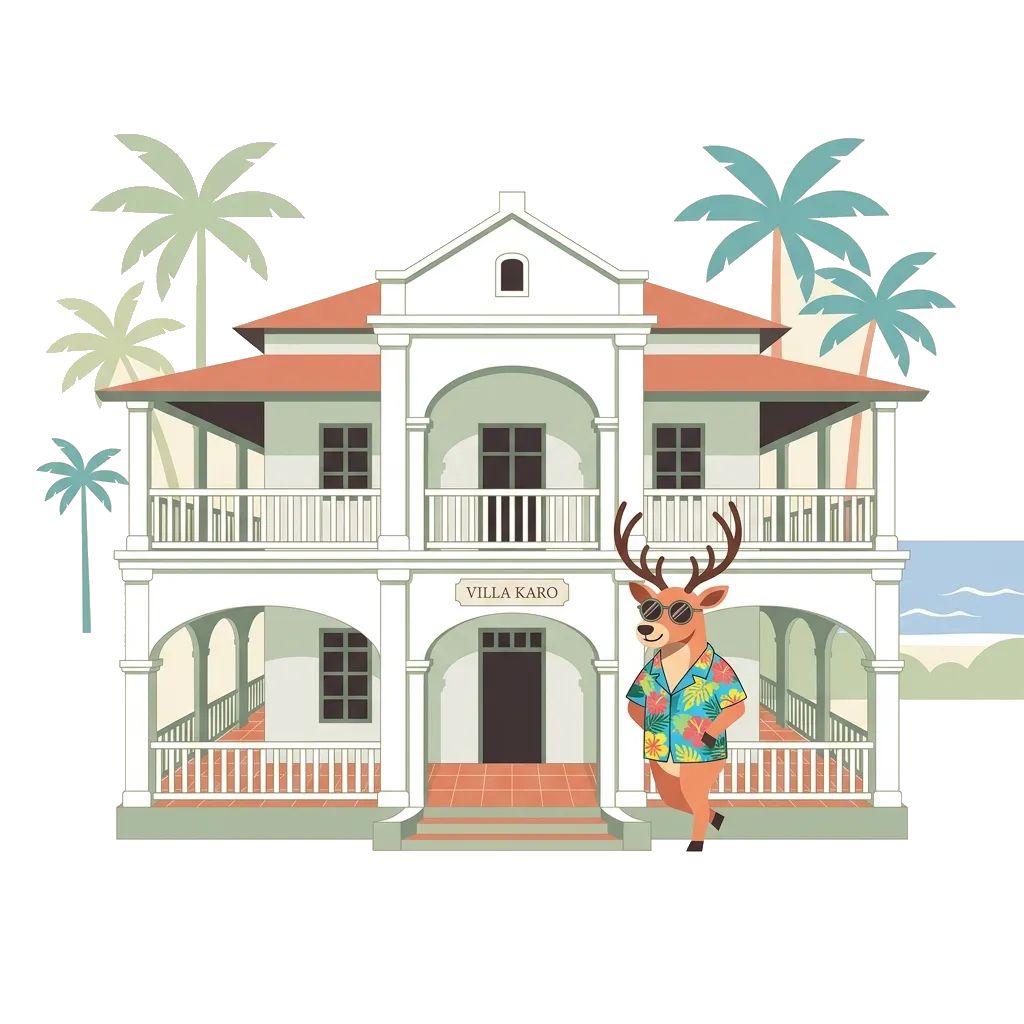
Villa Karo events. The Finnish-Beninese cultural centre maintains a regular programme of exhibitions and concerts, whatever the month. Check the Villa Karo programme for dates.
Climate. Mid-season. April is still pleasant, May becomes more humid with regular showers. Temperatures rise (30-33 degrees).
Tip. Bring an umbrella or light raincoat. Showers are often short and heavy.
June to August: festivals and Nonvitcha
June. The rainy season is in full swing, but the cultural calendar does not stop. World Music Day on June 21 is celebrated in Grand-Popo with spontaneous concerts everywhere, especially at Villa Karo and Lion Bar. The moisture in the air changes the acoustics of outdoor music, giving evening concerts a warmth and closeness that the dry season cannot replicate.
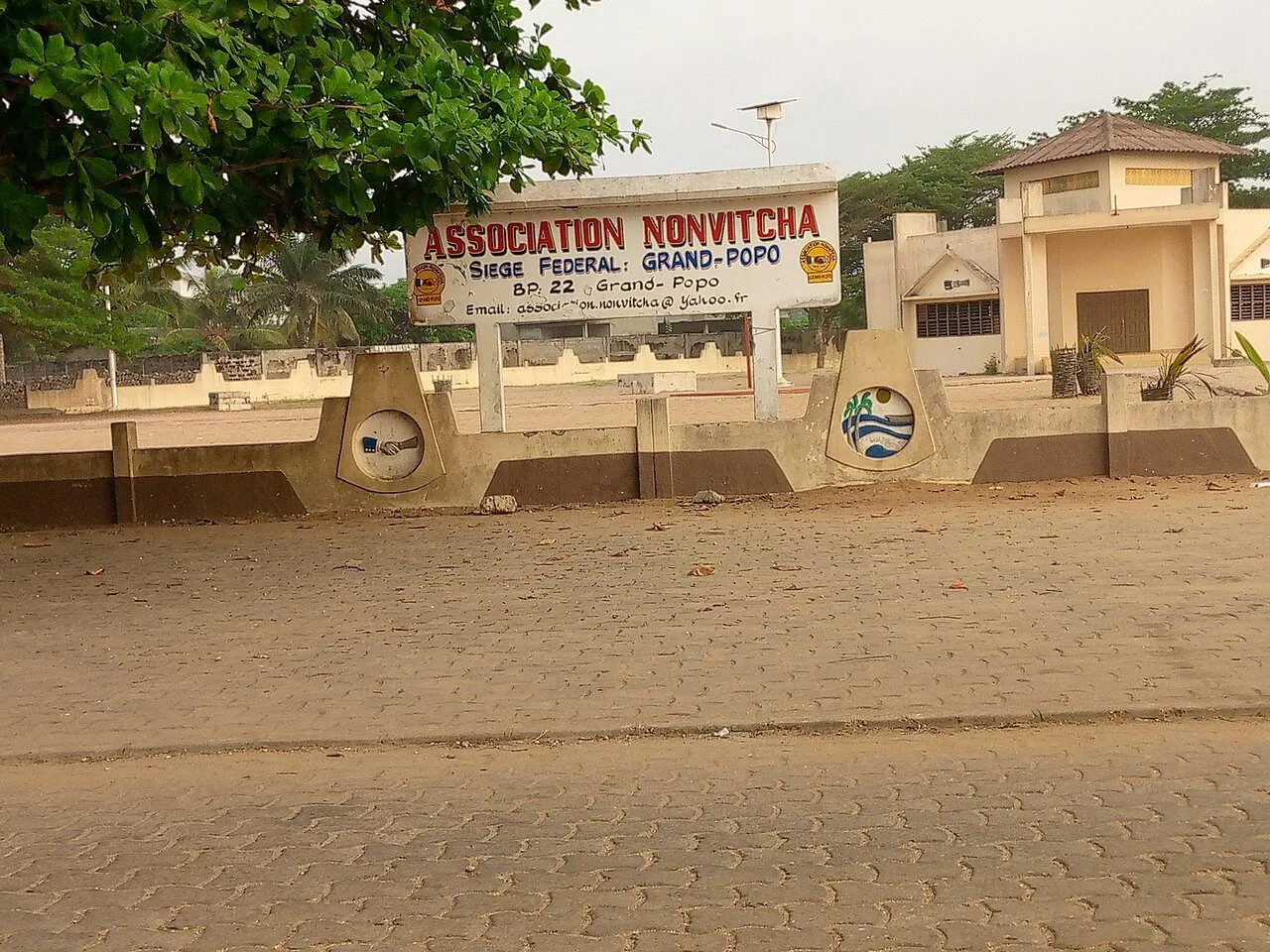
July and August. The highlight of summer is the Nonvitcha Festival, the great Popo celebration. Organised every two years (even years), it brings together Popo communities from Benin, Togo and the diaspora for several days.
Nonvitcha is a total cultural festival: traditional dances, concerts, conferences on Popo history, fashion shows, sporting competitions, craft exhibitions. Each village presents its best dancers in spectacular costumes. The energy in the main square when the dance competitions begin — drums, dust, colour, the roar of the crowd for a particularly acrobatic move — has to be experienced to be believed.
The Popo diaspora, from the Americas, Europe and Central Africa, is massively present. It is a moment of reunion and identity reaffirmation. Some participants are meeting cousins they have never encountered, connecting threads of family history that were severed by the slave trade and its aftermath.
Our dedicated page on the Nonvitcha Festival gives the detailed programme and practical information.
Neighbourhood festivals. Each neighbourhood of Grand-Popo organises its own annual festival between June and August. Programme: collective meals, music, dances and games. The atmosphere is warm and family-friendly.
Climate. Rainy season. High humidity, frequent showers, temperatures 28-32 degrees. Events adapt with shifted timings and covered spaces.
Tip. For Nonvitcha, book your accommodation in spring. It is the busiest event of the year alongside January 10.
September to November: exhibitions and traditions
September and October. The rainy season gradually declines. Nature is lush, landscapes magnificent. Villa Karo's cultural programme intensifies with the new season: exhibitions, conferences, workshops. This is also the season when the Grand-Popo market is richest — tropical fruits in abundance, fish brought in by the Xwla fishermen now that the heavy swells are retreating, vegetables grown on the banks of the Mono.
November. The return of the dry season marks the start of peak Egungun and Zangbeto ceremony season. Full moon nights are particularly active. Families begin preparing ancestor returns for the coming months. November sits in a sweet spot: the tourist crowd has not yet arrived in force, but the cultural life is already back at full intensity. The air has lost its wet-season heaviness, evenings are cool, and the coastal light turns golden in the late afternoon.
November is arguably the best month nobody talks about. Accommodation is available without booking months ahead. Guides are less stretched. The ceremonies that begin in this month are smaller, more personal, more willing to include a respectful foreign visitor who arrives without expectations. By December, the calculus changes.
Fishing closing ceremonies. In October-November, fishermen organise rituals to thank the sea before the calm tide season. Participation is possible for respectful visitors accompanied by a guide.
Climate. Transition. September-October are still humid, November is dry and sunny. Temperatures are mild (26-30 degrees).
Tip. November is the best month to combine cultural events and favourable weather. Egungun ceremonies begin and the tourist crowd has not yet peaked.
December: where the year gathers its last energy
December is an intense month in Grand-Popo. Egungun ceremonies multiply as the January Vodun Festival approaches. Families organise the year's last ancestor returns. Nights are animated by Zangbeto patrols. The town smells of incense and woodsmoke. The pace quickens.
Year-end celebrations. Lion Bar and the ecolodges organise special New Year's Eve parties on December 31. Beach gatherings with fireworks and music are common. The juxtaposition is peculiar and moving: Egungun spinning in the streets while, a few hundred metres away, travellers clink glasses and count down.
Christmas markets. Even though Christmas is a minority Christian celebration in Grand-Popo, markets come alive with decorations, toys and special products.
Villa Karo exhibitions. The cultural centre generally organises an end-of-year exhibition presenting resident artists' works.
Climate. Dry season. Optimal conditions: maximum sunshine, low humidity, pleasant temperatures (26-32 degrees).
Tip. December is the most expensive and busiest month. Book everything several weeks in advance. The cultural offering is the richest of the year — and the pressure to book early is real.
Coming for an event
Planning your Grand-Popo stay around a specific event takes some organisation, but the experience is worth it. The key discipline is flexibility: traditional ceremonies do not issue invitations weeks in advance, and the richest moments often arrive unannounced.
For the Vodun Festival (January 10). Arrive on January 8 to soak up the atmosphere. Book accommodation three months in advance. Flights to Cotonou are busier at this period.
For Nonvitcha (July-August, even years). Exact dates are announced about six months in advance. Book accommodation and transport as soon as dates are confirmed. The Popo diaspora fills all available lodging.
For Egungun ceremonies (November-March). Plan a stay of at least one week to maximise your chances. Contact our team on arrival for upcoming ceremonies. Dates are known only a few days in advance.
For a general cultural stay (year-round). Even in low season, Villa Karo and Lion Bar offer regular events. Grand-Popo market is lively all year. Cultural life never truly stops.
| Period | Highlight event | Crowd | Booking |
|---|---|---|---|
| January | Vodun Festival (Jan 10) | Maximum | 3 months ahead |
| February-March | Egungun ceremonies | Medium | 1 month ahead |
| April-May | Fishing ceremonies | Low | 2 weeks ahead |
| June | World Music Day | Low | 2 weeks ahead |
| July-August | Nonvitcha Festival | Maximum | 6 months ahead |
| September-October | Villa Karo exhibitions | Low | 2 weeks ahead |
| November | Egungun ceremonies | Medium | 1 month ahead |
| December | Year-end | High | 2 months ahead |
Event budget. Most religious ceremonies are free. Festivals may charge an entry fee (2,000 to 5,000 FCFA, 3 to 8 EUR). Guide packages for ceremonies cost 10,000 to 20,000 FCFA (15 to 30 EUR) per person. Expect a 30 to 50% supplement on accommodation during peak periods.
FAQ -- Grand-Popo cultural calendar
What is the best month to see Egungun ceremonies? January and December are the most active months, followed by November and February. Exact dates depend on families.
Can I attend events in low season? Yes. Villa Karo offers activities year-round, and more intimate ceremonies occur even during the rainy season.
How do I find out about events during my stay? Contact our WhatsApp team on arrival. We have a network of contacts in convents, families and cultural institutions who keep us informed in real time.
Plan Your Visit
Discover the magic of Grand-Popo with our curated local experiences.