






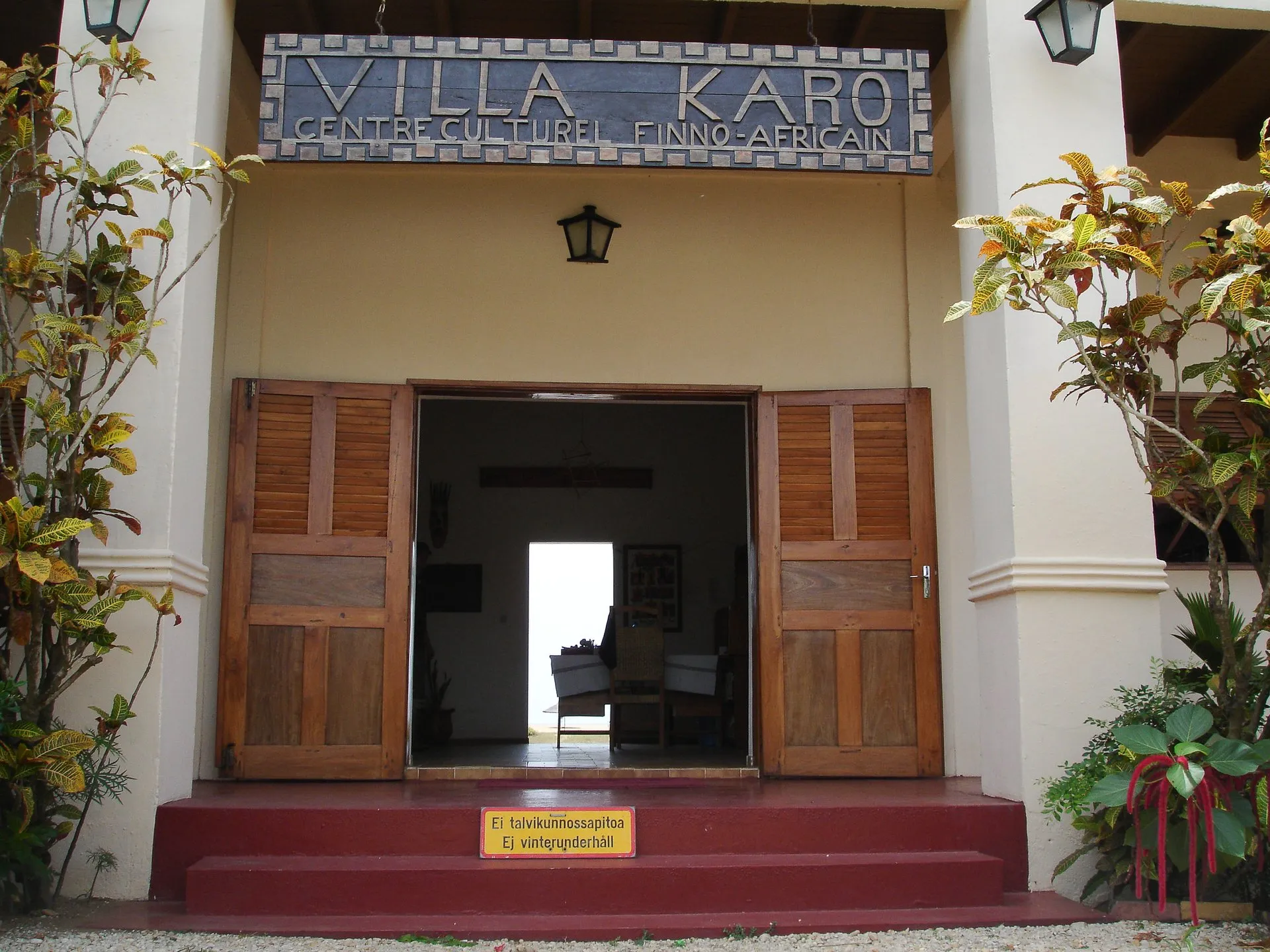
In the heart of Grand-Popo's historic quarter, facing the vast Atlantic, Villa Karo stands as a unique cultural beacon in West Africa. This Finnish-Beninese cultural centre is far more than a building: it is a bridge between North and South, a place where artistic creation knows no borders. Since its foundation, Villa Karo has become an essential meeting point for artists, writers and curious travellers passing through Grand-Popo.
Unique in its kind, Villa Karo embodies the encounter between two cultures that everything seemed to oppose: boreal Finland and tropical Benin. Yet from this contrast was born an exceptional cultural adventure that radiates far beyond Benin's borders.
To explore other facets of Grand-Popo's cultural life, our guide to heritage and culture takes you through the living traditions of the region.
What Villa Karo actually is — and what makes it unlike anything else in West Africa
Villa Karo is at once an international artist residency, a cultural centre open to the public, a library, a museum and a place of intercultural exchange. Founded in 2000 by Finnish writer Juha Vakkuri, it welcomes dozens of artists, writers, musicians, photographers and researchers from around the world each year for creative residencies.
The name "Karo" is a Finnish word for a type of rural landscape, but it resonates here as a linguistic bridge between two worlds. Locals have adopted it with pride, and the centre is now known and respected throughout the region. You hear it in conversation the way you might hear a landmark named — "meet me near the Karo" — which is the surest sign of a place that has truly rooted itself in a community.
The founding idea was simple yet bold: to offer Finnish and international artists a creative space in a completely different environment, stimulated by the cultural and natural richness of Grand-Popo. Very quickly the project evolved to include a reciprocal exchange component: Beninese artists are invited to residencies in Finland, creating a genuine north-south artistic dialogue.
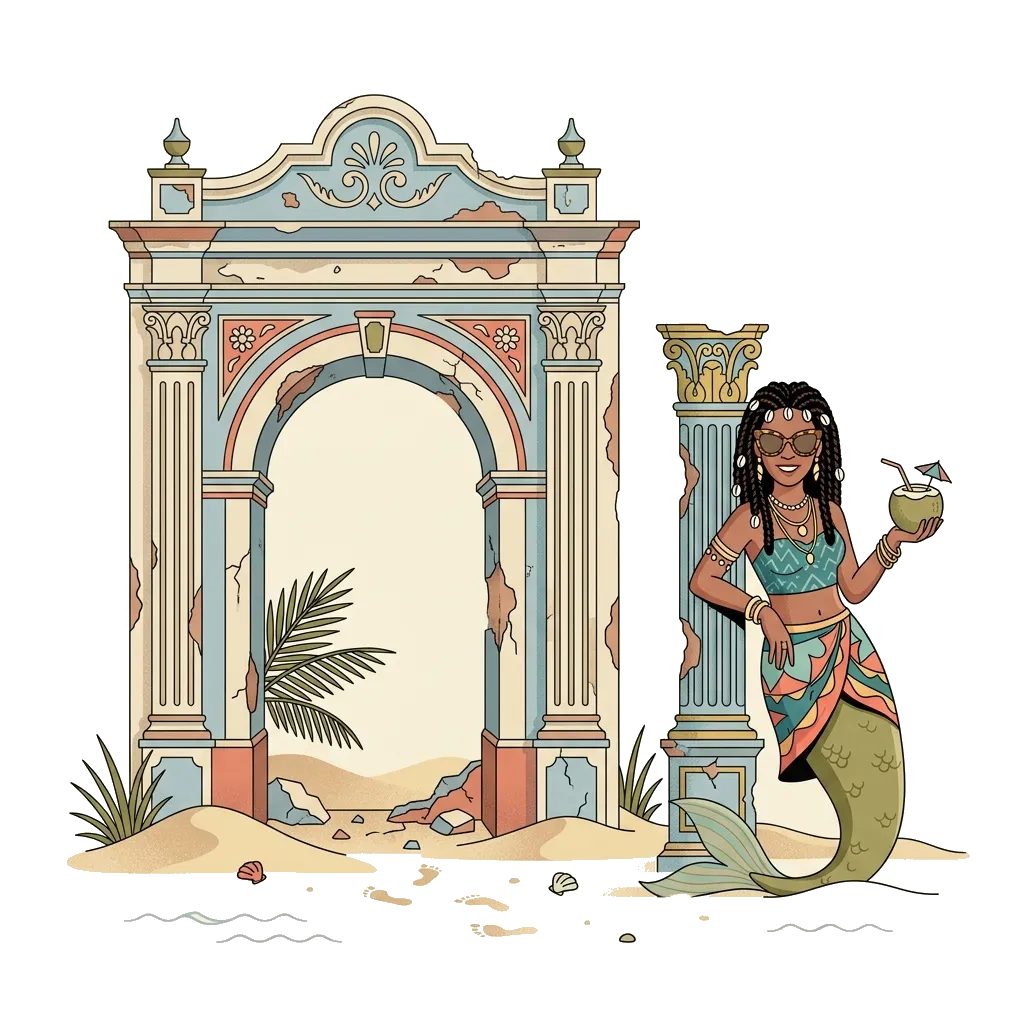
Housed in beautifully restored former colonial and Afro-Brazilian houses, Villa Karo has revived part of the city's architectural heritage. This historic building itself testifies to Grand-Popo's rich history, and particularly its Afro-Brazilian heritage.
History and foundation: from a writer's vision to a living institution
The story of Villa Karo begins in 1998, when Finnish travel writer Juha Vakkuri discovered Grand-Popo during a trip to Benin. Struck by the beauty of the place and the richness of its culture, he imagined a place where artists from the North could come to create in symbiosis with the African environment.
With support from the Finnish Ministry of Education and Culture, and in partnership with Beninese institutions, the project came to life in 2000. The former colonial houses in the historic quarter were purchased and restored respecting the original architecture. Villa Karo opened its doors that same year, welcoming its first resident artists.
Since then, more than 300 artists and researchers have stayed at Villa Karo, from Finland, other European countries, Africa, America and Asia. The artistic fields represented are varied: literature, visual arts, music, photography, dance, theatre, film and academic research. The body of work produced in these walls and gardens would fill several museums — much of it is documented in the archive kept at the centre.
The centre is managed by a Finnish-Beninese foundation that ensures its sustainability and independence. Artists are selected through a portfolio review by an artistic committee, and residencies last one to three months.
What Vakkuri understood — and what took the cultural world a few years to recognise — is that distance is a creative tool. Placing a Finnish poet in a tropical garden where the birds are unfamiliar, the light falls differently, and the social codes demand attentiveness produces a quality of observation that familiar comfort cannot. Grand-Popo is extreme enough to matter, safe enough to work in. The balance is deliberate and rare.
Artist residency: creation in an exceptional setting
The heart of Villa Karo beats to the rhythm of artist residencies. Each year, about twenty creators are invited to stay in Grand-Popo to work on their projects in an exceptional setting.
Residents are housed in the centre's houses, with access to studios, a richly stocked library and a tropical garden. They are encouraged to interact with the local community, participate in Grand-Popo's cultural life and present their work at the end of their residency.
During their stay, artists immerse themselves in Beninese culture. They attend traditional ceremonies, meet local artisans, visit markets and natural sites. This immersion feeds their work and creates lasting bridges between cultures. A novelist who spent three months here once described the morning light from the garden as the most precise light he had ever tried to put into words — and then spent another week rewriting the same paragraph.
Disciplines represented are broad: writers working on novels or poetry collections inspired by Africa, visual artists using local materials, musicians collaborating with Beninese percussionists, photographers documenting Grand-Popo's daily life.
For visitors, Villa Karo offers the chance to meet artists in full creative flow and discover works in progress. Open studio events and public presentations are regularly organised.
The practical side of residency life here is worth mentioning for travellers curious about the details. Residents eat at local restaurants and market stalls, take walks on the beach, cycle to Bouche du Roy, hire local guides. They are not cloistered. Which means that on a given afternoon, sitting under the frangipani in the Villa Karo garden, you might find yourself in conversation with a Helsinki choreographer, a Lagos novelist and a Berlin photographer, all working on different things, all slightly transformed by the same place.
Exhibitions and events open to all
Villa Karo is an active cultural centre offering exhibitions, concerts, screenings and events open to all throughout the year.
Exhibitions change regularly, presenting the work of resident artists or thematic shows on Finnish art, Beninese art or intercultural exchange. The exhibition space, light and airy, is integrated into the main building. It is worth checking what is showing before you arrive — some exhibitions are genuinely surprising in their scope.
Outdoor concerts are a highlight of Grand-Popo's cultural life. On the first Saturday of each month, Villa Karo hosts free concerts blending Finnish jazz, world music and Beninese percussion. It is the moment when the whole town gathers under the stars in a festive, easy-going atmosphere. Bring a blanket or arrive early to find a seat on the garden wall.
The centre also offers film screenings of documentaries and fiction, lectures and workshops open to the public. The programme is posted at the entrance and on social media.
Special events mark the year's highlights: World Music Day in June, special programmes during the Nonvitcha festival, end-of-residency exhibitions in December.
To stay informed, ask our team or check directly at Villa Karo about the current programme. Our page on events and festivals in Grand-Popo keeps you updated on the cultural calendar.
The library: 5,000 volumes and nowhere better to spend a slow afternoon
Villa Karo's library is a sanctuary of knowledge and a place of silence in the heart of the centre's cultural bustle. With over 5,000 volumes, it is an exceptional resource for students, researchers and the curious from across the region.
The collections cover a wide range of themes: African and European literature, history of Benin and West Africa, anthropology, art, photography, ecology. You will find works in French, English and Finnish. The French and English sections are the most extensive, and include titles impossible to find elsewhere in the region — specialist monographs on Vodun traditions, natural history of the Gulf of Guinea, out-of-print travel narratives.
The library is open to all, free of charge. Local students come to study, artists draw inspiration, travellers discover the richness of Beninese culture through books sometimes unavailable elsewhere.
The centre accepts donations of new or gently used books to enrich its collection. If you travel with books you have already read, feel free to leave them at Villa Karo — they will be received with gratitude.
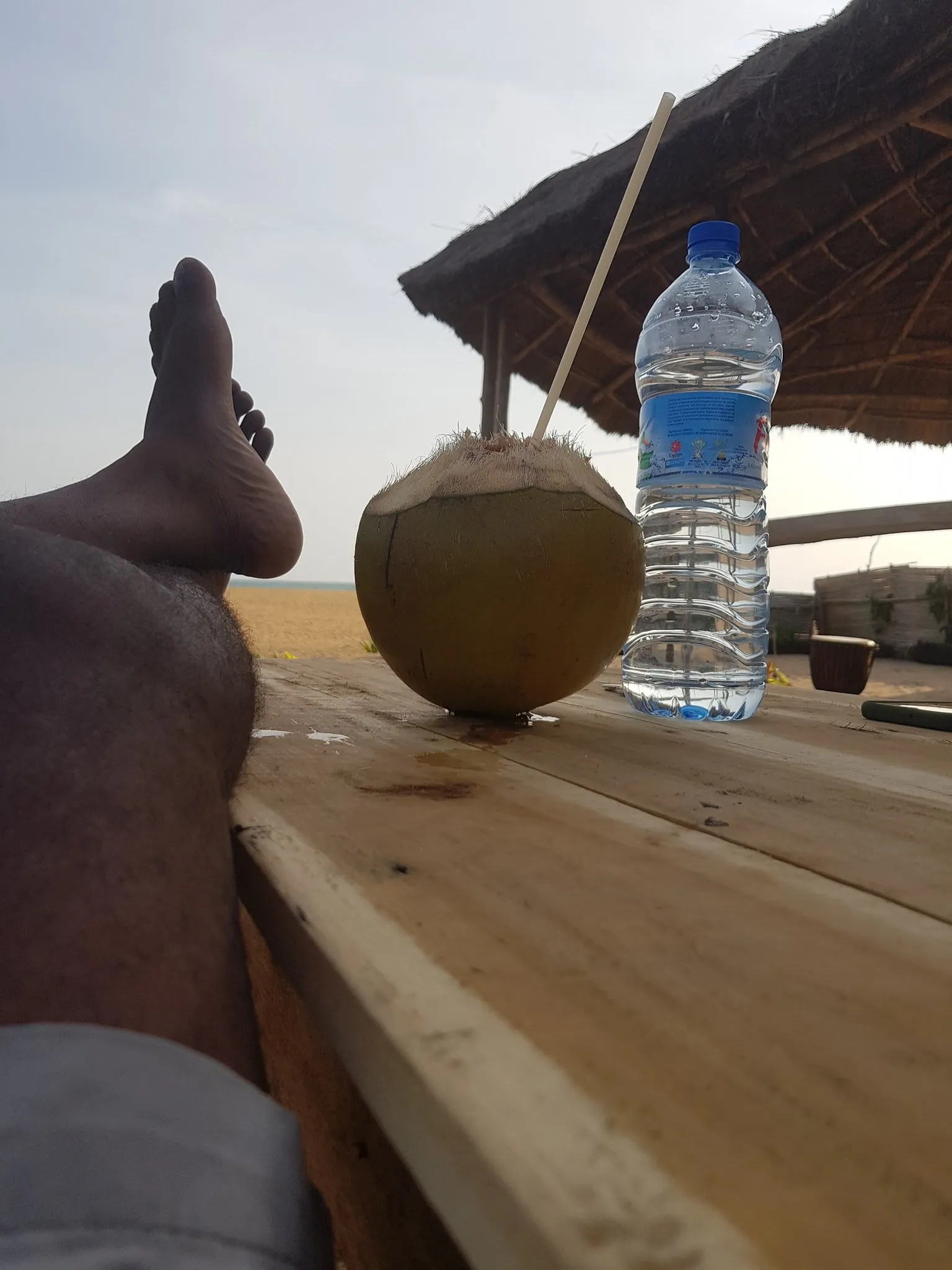
Come in the early afternoon when the reading rooms are at their quietest. The ceiling fans move the warm air slowly. Outside the window, a gecko is motionless on the whitewashed wall. Half an hour here, with a cup of something cold and a book you found on the second shelf, is one of Grand-Popo's least publicised pleasures.
Opening hours, access and when to visit
Villa Karo is open to the public Tuesday to Saturday, 9am to 12pm and 3pm to 6pm. Entry is free for the library and common areas. Exhibitions are also free, but donations are welcome to support the project.
Access is on foot from central Grand-Popo (10-minute walk), by zemidjan (200-500 FCFA, 0.30-0.80 EUR) or by taxi. The building is easily recognisable by its ochre facade and tropical garden.
The best time to visit is late afternoon, when the light sets the ochre facades aglow and the sea breeze cools the garden. It is also the time when resident artists are often available to chat — morning sessions tend to be for concentrated work, afternoons more open.
Before your visit, check the events programme so you do not miss an exhibition or concert. The calendar is available at the entrance and on their Facebook page.
How to support Villa Karo
Villa Karo is an associative project that operates thanks to support from its Finnish and Beninese partners, as well as donations and volunteer work. Several ways to support the centre exist:
Financial donations are used to fund artist residencies, building maintenance and cultural programmes.
Book donations for the library are always welcome, especially works in French and English on African art, culture and history.
Volunteering: Villa Karo sometimes welcomes volunteers for specific tasks (gardening, library sorting, event support). Ask on site.
Word of mouth: talk about Villa Karo around you, share its events on social media, recommend the visit to other travellers.
Corporate sponsorship: companies based in Benin or Finland can support the project as part of their CSR policy.
Villa Karo and Grand-Popo's cultural quarter
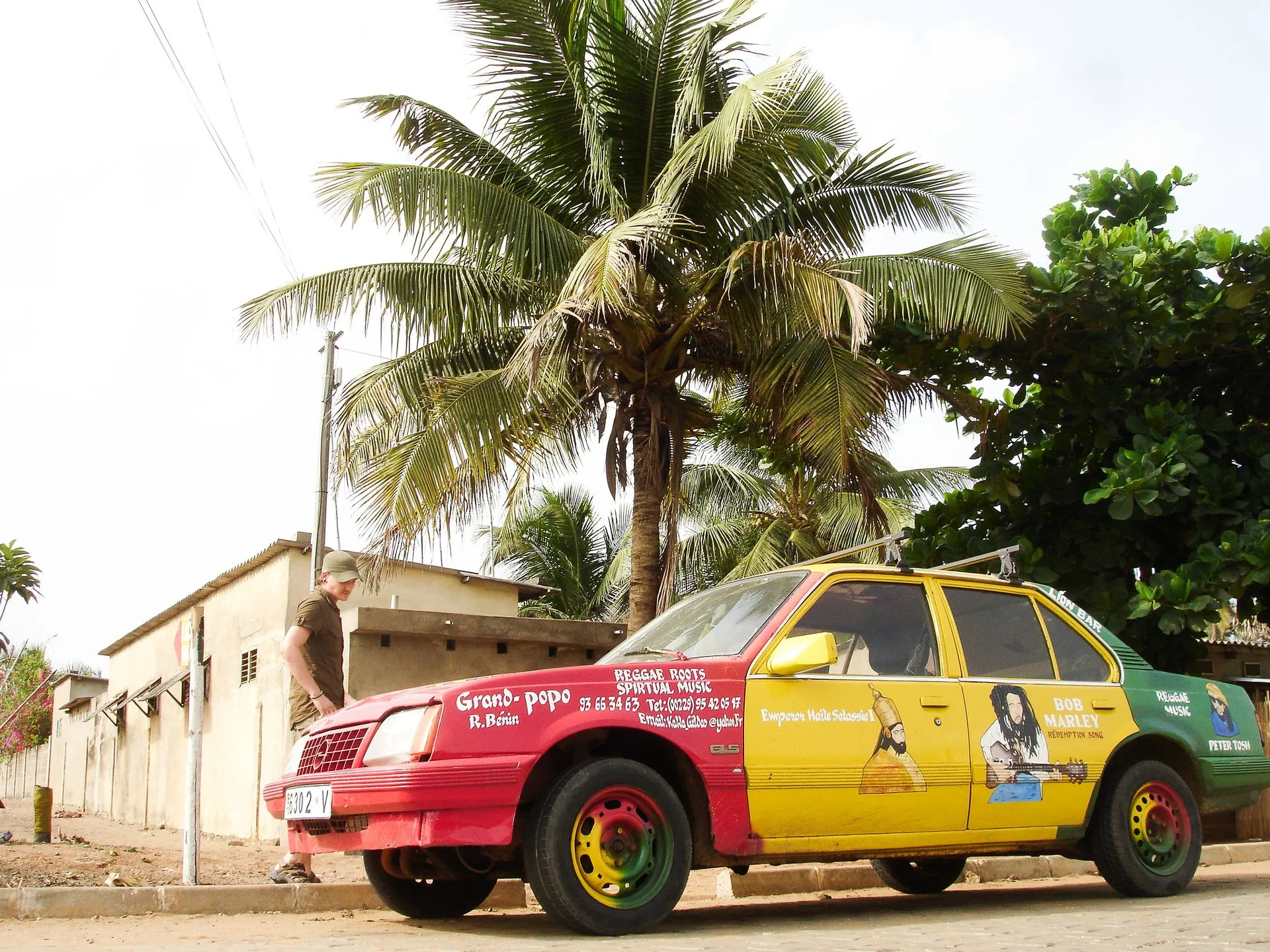
Villa Karo is not an isolated place. It sits in a neighbourhood that has become, over the years, the cultural heart of Grand-Popo. Right next door, the Lion Bar offers concerts, an outdoor library and sunset cocktails. Together, these two places create a unique synergy — cultural depth on one side, social warmth on the other.
The Lallukka Museum, within the same enclosure as Villa Karo, presents a collection of art and ethnographic objects that tell the shared history of the Gulf of Guinea and the Baltic Sea. A permanent exhibition testifying to the deep ties woven between Benin and Finland.
The coastal promenade along the neighbourhood offers an ideal setting for a walk after the visit. It is the perfect starting point for an evening that continues at Lion Bar, with a concert and sunset over the Atlantic.
Villa Karo is proof that Grand-Popo nourishes the mind as much as the body. Whether you are an art lover, culture seeker or simply in search of beauty, this unique place is well worth the detour. The ten-minute walk from the town centre to reach it feels longer on the way back, because you are slower, thinking about what you saw.
Plan Your Visit
Discover the magic of Grand-Popo with our curated local experiences.