


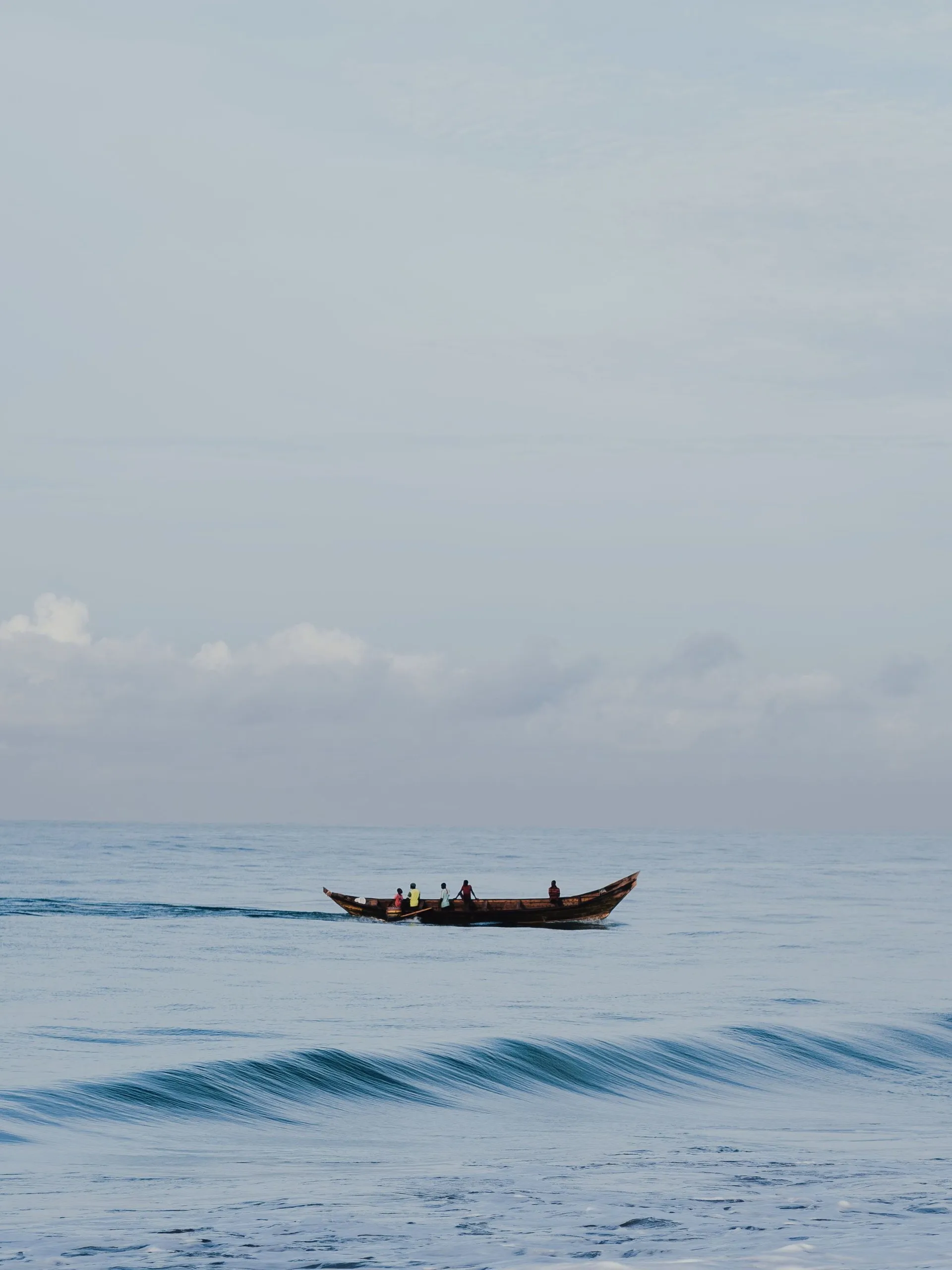
The pirogue excursion is the signature activity of Grand-Popo, the one that lets you discover the destination from its most authentic angle. Gliding on the waters of the Mono River, crossing silent mangroves, reaching Bouche du Roy where the river meets the ocean — every outing is an adventure that reveals the wild beauty of Benin's coastline.
Whether you are a couple, family or solo traveller, a pirogue excursion Grand-Popo is an experience worth planning your schedule around. Traditional pirogues, handled by local guides who know every corner of this unique ecosystem, take you where paths do not go.
For an overview of experiences to enjoy on site, see our guide to Grand-Popo activities. And to understand the exceptional ecosystem you will explore, discover nature and ecotourism in Grand-Popo.
What the Mono River actually looks like from a pirogue
The Mono River is Grand-Popo's lifeline. 467 kilometres long, it rises in Togo and flows into the Atlantic through a vast delta, forming the natural border between Benin and Togo on its final stretch. A pirogue excursion on the Mono is a dive into a world of silence and greenery.
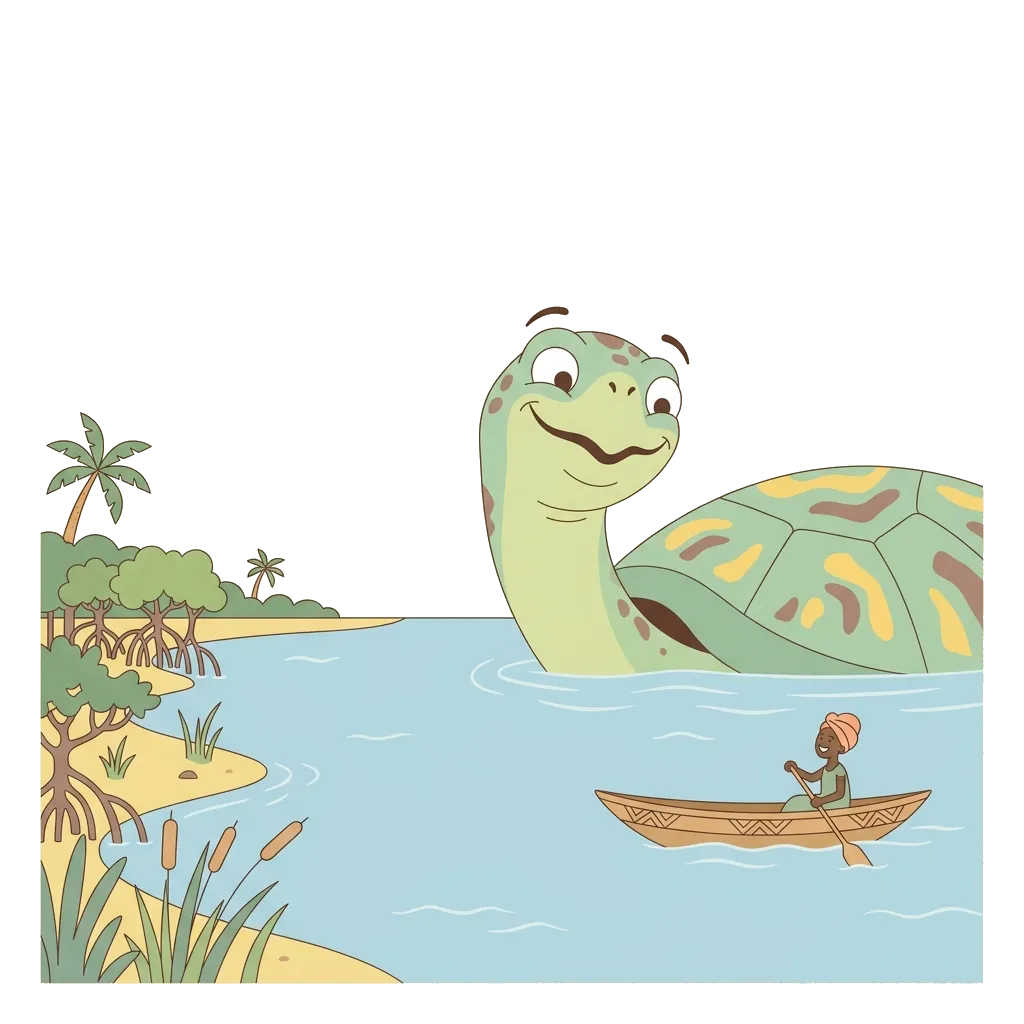
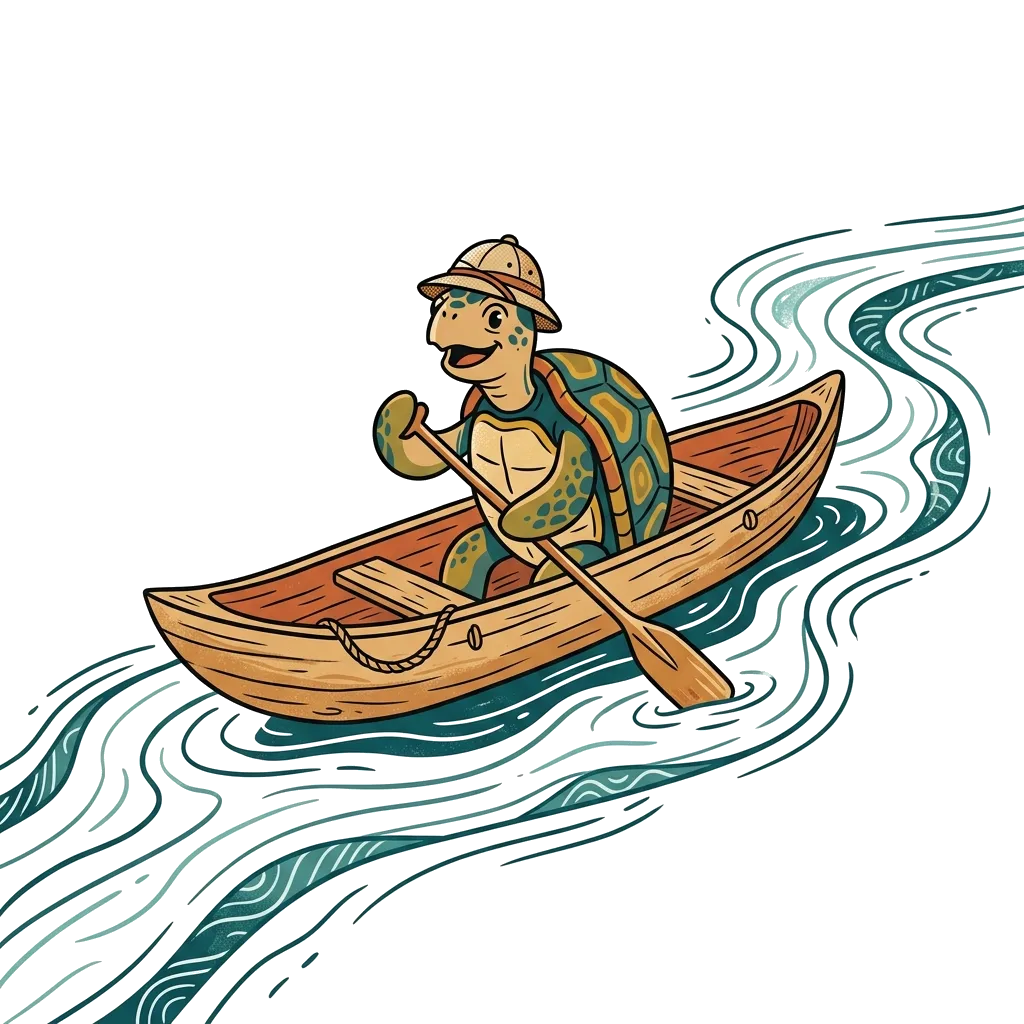
You board from a small wooden pontoon, often near a lodge or village. The pirogue is stable, manoeuvrable, propelled by the guide's paddle. From the first strokes, the landscape transforms. The sounds of the road fade, replaced by the lapping of water, birdsong, the rustle of palm leaves. The guide controls the boat with a single long paddle, angling it into the current with the easy precision of someone who learned on this river as a child.
The Mono's banks offer a permanent spectacle. Fishermen cast their nets from their pirogues, children dive and wave, women wash clothes while singing. Fishing villages on stilts appear around each bend — clusters of wooden houses raised above flood level, their reflections wobbling in the dark water below.
The morning light is particularly beautiful on the river. Sun rays pierce the canopy of riverside trees, creating plays of light and shadow on the water. Photographers will find exceptional compositions here: silhouettes against reflected gold, the green depth of riverbank vegetation, a kingfisher mid-dive like a turquoise dart. Plan to bring a second memory card — morning on the Mono produces more keepers than most photographers expect.
One thing no one warns you about: the smell of the river changes completely between open water and mangrove passages. On open stretches the air is warm and grassy, faintly sweet. The moment the canopy closes above you, it shifts to something cooler and darker — damp bark, mud, the faint tang of decomposing leaves. It is one of the most distinctive sensory shifts in the whole destination.
Bouche du Roy by pirogue: where the Mono and the Atlantic finally collide
The highlight of any Mono excursion is arriving at Bouche du Roy, the biosphere reserve where the river meets the Atlantic Ocean. This exceptional site is one of the most beautiful in Benin, classified as a UNESCO biosphere reserve.
As you approach the mouth, the landscape transforms. The river widens, the waters become more agitated. Mangroves give way to sandbanks and inland lagoons. The smell of the ocean mingles with vegetal scents — salt cutting through the sweetness of decomposing leaves.
Arriving at Bouche du Roy is a memorable moment. Where the Mono meets the Atlantic, the waters mix in a whirlwind of colours: the brown of the river, the blue of the ocean, the white of the foam. Seabirds circle overhead, waves break on sandbanks.
It is the ideal place for wildlife observation: manatees in the calm waters, pink flamingos in the lagoons, terns and gulls on the sandbanks. Guides know the best spots and times to maximise sightings. Manatees are most often seen at dawn in the still shallows before the river mouth current picks up.
Our dedicated page on Bouche du Roy gives you all the keys to prepare your visit to this exceptional reserve.
Inside the mangroves: green tunnels, slow water, strange animals
The mangroves of Grand-Popo form a fascinating ecosystem, both a coastal protector and a refuge for exceptional biodiversity. The pirogue excursion lets you enter the heart of this amphibious forest, where mangrove roots plunge into brackish water.
Navigating the mangrove channels is an almost meditative experience. The water is calm, sheltered from the wind. A tunnel of greenery closes above the pirogue, filtering the light into shifting green-gold patterns. The aerial roots of the mangroves create complex patterns, refuges for crabs and small fish. You can reach down and touch the water — cool, dark, slightly tannic.
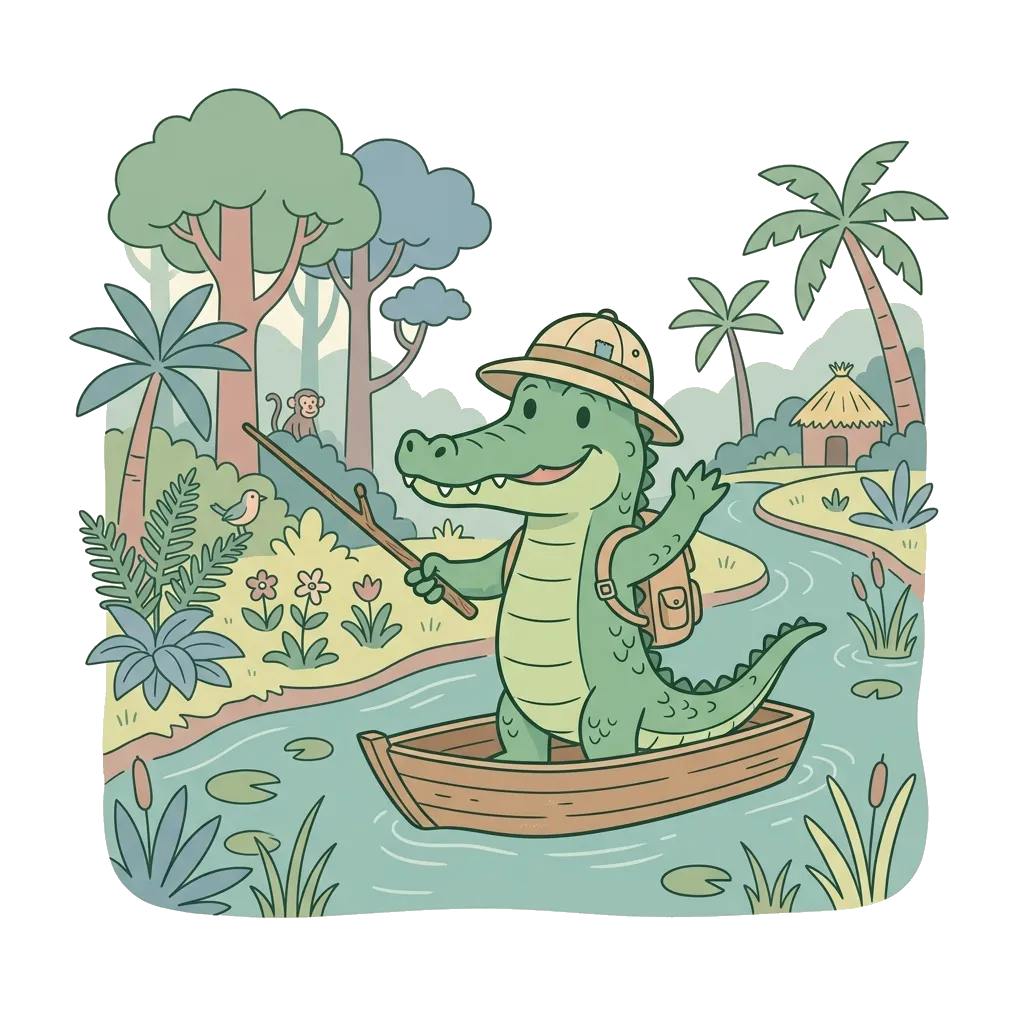
Local guides know every channel, every navigable path. They will show you the different mangrove species, explain the ecological role of the mangrove as the coastline's lung and fish nursery. They also know where to find mud crabs, small mangrove sharks and monkeys living in the riverside trees. The guide may stop the paddle suddenly and point to a branch overhead — a green mamba, or simply a flash of colour that turns out to be a Senegal parrot.
The lagoon, which separates Grand-Popo's tongue of land from the mainland, offers another face of the excursion. Wider, more open, it is the domain of fishermen and waterbirds. In the dry season, flamingos stop there, offering an unforgettable spectacle.
Go slowly in the mangrove channels if you have the choice. The guides who paddle fastest are not always the best — the ones who stop, wait, and listen are the ones who show you the most. A slow pirogue in still water lets birdsong reach you from every direction at once.
Our guide to the mangroves of Grand-Popo explores this vital ecosystem in depth.
Duration and prices: choosing the circuit that fits your day
Pirogue excursions are offered in several formats, adapted to your desires and budget. Here are the most common circuits:
1-hour circuit: ride on the Mono River near the lodges. Ideal for a quick discovery, a sunset or a paddle initiation. Price: 5,000 to 8,000 FCFA (8 to 12 EUR) per person.
Half-day circuit (3 hours): heading up the Mono to the first mangroves, with a stop at a fishing village. Birdwatching and discovery of riverside life. Price: 10,000 to 15,000 FCFA (15 to 23 EUR) per person.
Full-day circuit (6 hours): expedition to Bouche du Roy, crossing the mangroves, picnic on a sandbank and swimming in the calm estuary waters. Price: 20,000 to 30,000 FCFA (30 to 46 EUR) per person, lunch included.
Sunset circuit (2 hours): late afternoon departure to watch the sunset from the river. The colours on the water are breathtaking. Price: 8,000 to 12,000 FCFA (12 to 18 EUR) per person, including a glass of palm wine or sodabi.
Prices include the guide-paddler, life jacket and water. Some circuits include a snack or meal. Check at the time of booking.
Pirogues can carry 2 to 6 people depending on the size of the boat. Private excursions are available for couples and families — a meaningful investment for the intimacy of the experience. Groups of four split the private rate and still pay less per person than the high-season shared price.
Choosing the right guide: what to ask and what to watch for
The quality of your excursion depends largely on the guide accompanying you. Grand-Popo's local guides are passionate, know every corner of the river and mangroves, and willingly share their knowledge of wildlife, flora and local culture.
Among the most recommended guides, some grew up on the banks of the Mono and have been paddling since childhood. They speak French and often English, and adapt the circuit to your interests: birdwatching, photography, culture, or simple relaxation. Ask specifically whether the guide knows the birdwatching spots — good ornithology guides can name 30 or more species on a single morning outing.
One practical test: before you confirm, ask the guide to name three birds you might see on the Mono. A knowledgeable guide answers without hesitation. A guide who shrugs is not wrong — he may be excellent at culture and fishing history — but you will know what you are getting.
Our team can recommend trusted guides who respect safety rules and the environment. Contact us via WhatsApp for contact details of Grand-Popo's best guides.
For those who prefer to book online, several ecolodges and hotels offer organised excursions with their own guides. This is a practical option that guarantees a certain level of service.
Tips for the excursion
A few tips to make the most of your pirogue excursion:
Clothing. Wear light, quick-drying fabrics (polyester, light cotton). A wide-brimmed hat and sunglasses are essential. Feet will be exposed to the sun: bring water shoes or sandals. Avoid open-toed flip-flops — they slip in the pirogue and are useless if you need to wade onto a sandbank.
Sun protection. The sun is very strong on the water, even in cloudy weather. Apply SPF 50+ sunscreen before departure and reapply every 90 minutes.
Water and snacks. Bring enough water (1 litre per person for a half-day). Full-day circuits generally include lunch, but bring extra snacks and fruit. Bananas travel well and give you energy without weighing down a bag.
Camera. The excursion offers magnificent compositions. Protect your camera in a waterproof bag or plastic bag. Water spray is frequent when the guide paddles hard in current.
Mosquitoes. Mangroves and riverbanks are mosquito zones. Use insect repellent before departure. Early morning and dusk are peak times — plan accordingly.
Departure time. Morning (from 7am-8am) is the best time: the light is beautiful, birds are active, the heat is bearable. Late afternoon departures are perfect for sunset.
Silence on the water. Some guides talk throughout; others remain quiet unless you ask. If you prefer silence and observation, say so before you depart. Most guides adapt instantly and appreciate the request.
How to book your pirogue excursion
Booking a pirogue excursion is generally done on site, through your accommodation or directly with a guide. In high season (December to February, July-August), booking a day in advance is advisable.
Ecolodges and hotels often offer organised excursions. Ask at reception on arrival. Prices are comparable to those of independent guides.
For travellers who prefer to organise their stay in advance, our team can book the excursion for you. Contact us via WhatsApp with your dates, number of people and preferred circuit type.
Payment is in cash or by Mobile Money (MTN MoMo, Moov Money) on the day of the excursion. Bank cards are generally not accepted for this type of activity.
Plan Your Visit
Discover the magic of Grand-Popo with our curated local experiences.