





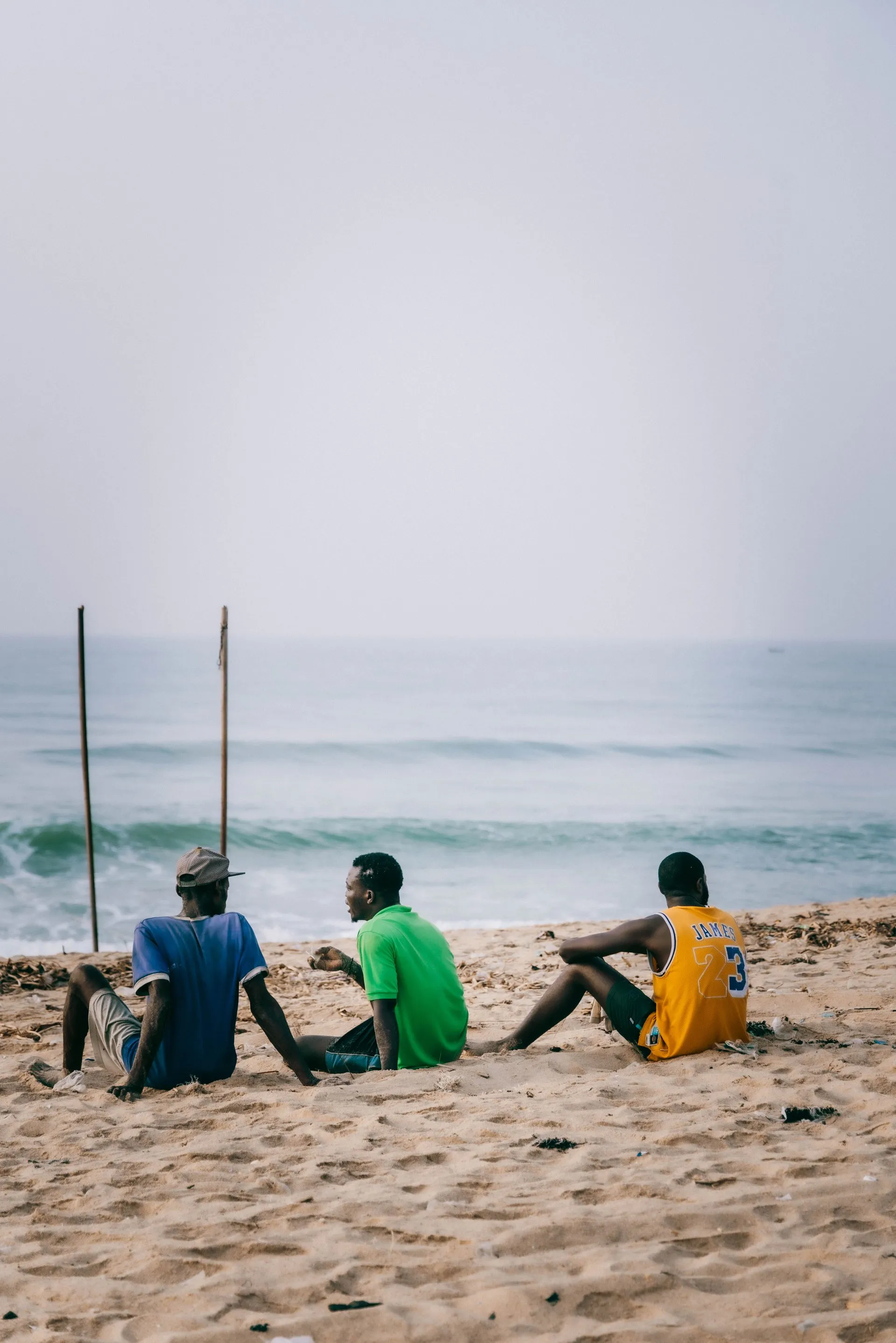
Grand-Popo attracts a modest but warm expat community, made up of French, Belgian, Swiss, Canadian people and members of the Beninese diaspora returning home. Unlike large African capitals, here the community is close-knit, friendly and open. Every newcomer is welcomed with genuine kindness. In a town of eight thousand inhabitants, faces are remembered quickly and trust builds at a pace that larger cities rarely allow.
What the community actually looks like
Grand-Popo's expat community numbers about 50 to 150 year-round residents, depending on the season. The number roughly doubles during the high tourist season (December to March) with the arrival of long-stay visitors and digital nomads.
The typical profile is varied: European retirees seeking calm and a gentle lifestyle, tourism entrepreneurs, artists in residence at Villa Karo, international aid workers and Beninese from the diaspora reinvesting in their home country. This mix creates an unusually rich dynamic, far from the sealed expat bubbles found in Cotonou or Dakar.
The community's human scale is a genuine strength. Everyone knows or recognises each other within weeks of arrival. News travels fast and mutual support forms naturally. When someone leaves for Europe, their furniture circulates. When someone arrives, the group helps them find a reliable electrician or a trustworthy landlord.
Something worth knowing: the community includes a significant proportion of Beninese nationals, particularly young entrepreneurs who studied abroad and returned, and local tourism professionals. The line between expat and local is less fixed here than elsewhere, which deepens the exchanges.
The actual places where you will meet people
Opportunities to meet other expats are plentiful in Grand-Popo. Unlike big cities where expat circles can be closed, here social boundaries are genuinely porous.
Lion Bar is the central meeting point. This beach bar attracts a mix of expats, travellers and locals every evening. The sunsets are genuinely impressive and conversations start naturally over sodabi or fresh fruit juice. Our article on Lion Bar gives you the full picture of this institution.
Beach restaurants like Chez Paterne or ecolodge dining areas are also natural meeting places. Sunday lunches regularly pull together a small mixed crowd. Tables are shared without formality.
Saturday markets are an excellent place to encounter regular residents and exchange a few words. The market is not just a shopping venue: it is a social moment that locals and expats attend week after week.
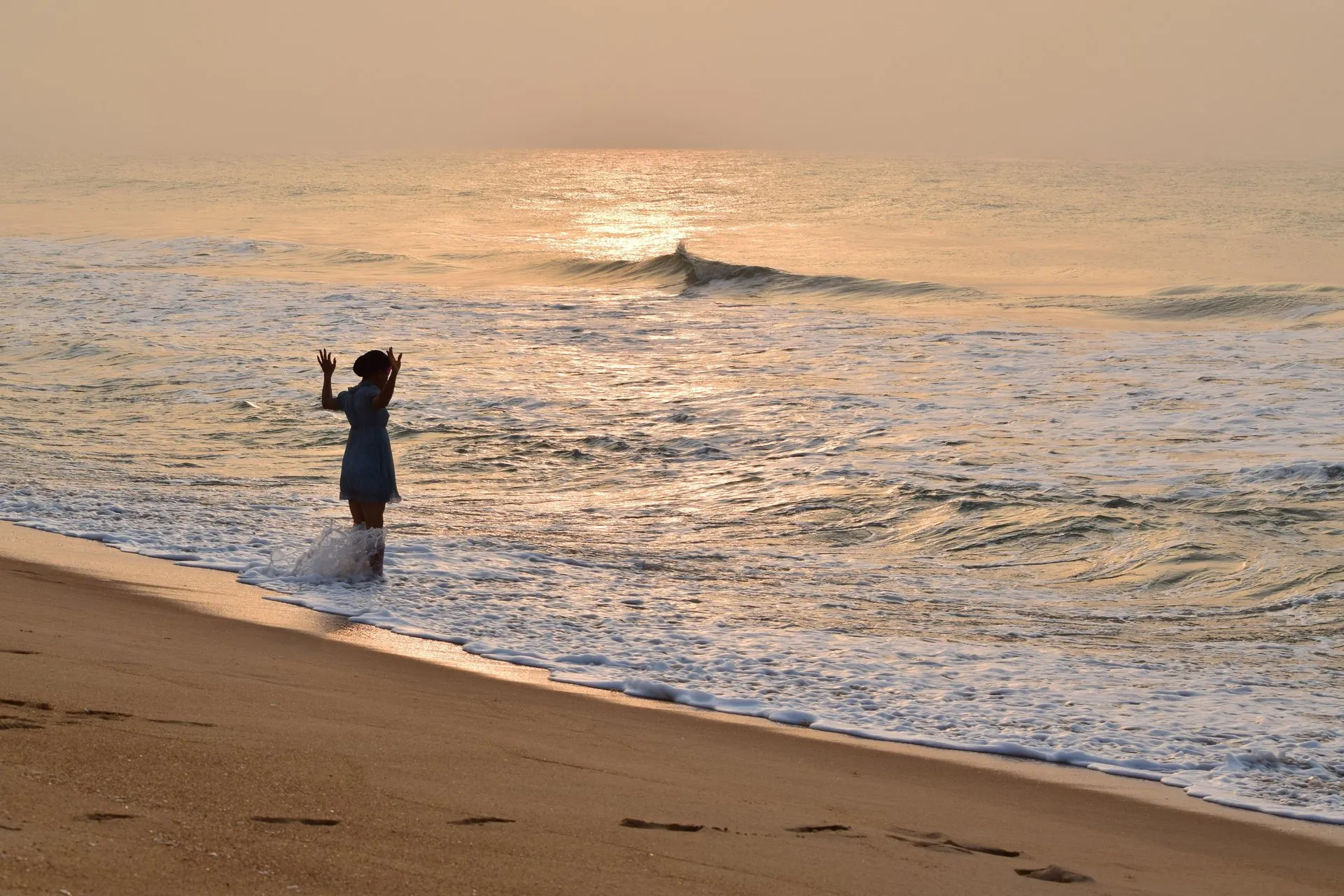
Avlo beach in the early morning, between 6:30 and 8:00am, is a quieter meeting point. Joggers, walkers and early swimmers cross paths regularly. A few weeks of this routine is enough to start recognising faces and starting conversations.
Groups and support networks: how to get in
Several groups and initiatives facilitate newcomers' integration. None of them require formal membership.
WhatsApp groups: word of mouth is the most reliable route into local expat groups. Once on the ground, ask around at Lion Bar or your accommodation. These groups are active: a question posted in the morning typically gets several responses the same day.
Entrepreneur network: a small community of French and Beninese entrepreneurs holds informal meetings to discuss opportunities. Conversations tend to cover real estate, tourism and craft businesses. See our guide on investing in Grand-Popo for more context.
Cultural associations: some local associations connected to Villa Karo or heritage preservation work welcome volunteers and residents interested in Xwla culture and Vodun traditions. This is often where expats form the most durable ties with the local population.
Sports groups: informal meetups for beach yoga, sunrise running and beach football are regularly organised. No registration, no fee: you show up, you participate, you meet people.
The social calendar: what happens and when
Grand-Popo's events calendar follows both traditional celebrations and expat community initiatives.
Regular events worth knowing about:
- Beach volleyball afternoons: organised every fortnight on Avlo beach. Mixed levels, relaxed atmosphere.
- Musical evenings at Lion Bar: impromptu concerts and percussion sessions several times a month.
- Beninese cooking workshops: organised by expat residents and local chefs. An excellent way to build connections while learning to cook riz au gras or groundnut sauce.
- World Music Day (June 21): Grand-Popo marks this with open-air stages on the beach. One of the most festive moments of the year.
- Nonvitcha Festival: a major cultural event combining music, dance and tradition. Details in our article on the Nonvitcha Festival.
Events are announced on WhatsApp groups and posters at local shops. There is no centralised online calendar: social life here still runs largely on word of mouth.
Integration: what works and what does not
Integration in Grand-Popo is facilitated by the community's size and the openness of locals. The following is based on what long-term residents have found to actually work.
Learn basic French: if you do not speak French, a few lessons before departure are a sound investment. Most daily exchanges happen in French. English is barely spoken outside tourist venues.
Greet in the local language: a few words of Fon or Xwla, as we cover in our languages in Grand-Popo guide, open doors immediately. A greeting in the neighbourhood language always produces a genuine smile.
Get involved in local life: participating in neighbourhood events, ceremonies and community initiatives is the most reliable path to authentic connections. Expats who stay for years are almost always those who accepted local invitations from the start.
Respect social codes: Beninese society is fundamentally respectful and hierarchical. Greet elders first. Never decline a meal invitation without good reason. Take time to observe before assuming.
Introduce yourself to neighbours: in Beninese tradition, new arrivals bring a small gift to their neighbours (fruit, homemade pastries). This simple gesture opens lasting relationships.
What does not work: staying exclusively in expat-facing venues. Lion Bar is an excellent starting point but not a complete integration strategy. Real belonging comes through the market, neighbourhood associations and local celebrations.
Practical advice before you arrive
A few tips from residents who have already navigated this:
- Arrive with a contact: identify someone on the ground before you land via social media or online groups. Having one person to call on arrival changes everything.
- Start with short-term rental: take time to explore neighbourhoods before committing to a long lease. See our real estate guide.
- Take out international insurance: local health cover is limited. Specialist care requires a trip to Cotonou. Good insurance is not optional.
- Keep a safety buffer: the first months are often more expensive than anticipated between the deposit, furniture and the time needed to settle.
- Manage your expectations of pace: Grand-Popo is not a resort. It lives at its own speed. Accepting that from the start prevents a lot of unnecessary friction.
FAQ
How large is the expat community in Grand-Popo? About 50 to 150 permanent residents, with seasonal variations. The number grows each year.
How to meet other expats on arrival? WhatsApp groups, Lion Bar and beach restaurants are the best starting points. Ask your accommodation for introductions.
Are there regular events? Yes, sporting, musical and cultural meetups happen regularly. No centralised calendar: WhatsApp is the main channel.
Do I need to speak French to integrate? French is the primary language of communication here. Learning the basics before arriving is strongly recommended. Beninese people are patient and encouraging with learners.
Is the expat community welcoming? Yes. The human scale of Grand-Popo means new arrivals are noticed, introduced around and folded in quickly.
Plan Your Visit
Discover the magic of Grand-Popo with our curated local experiences.