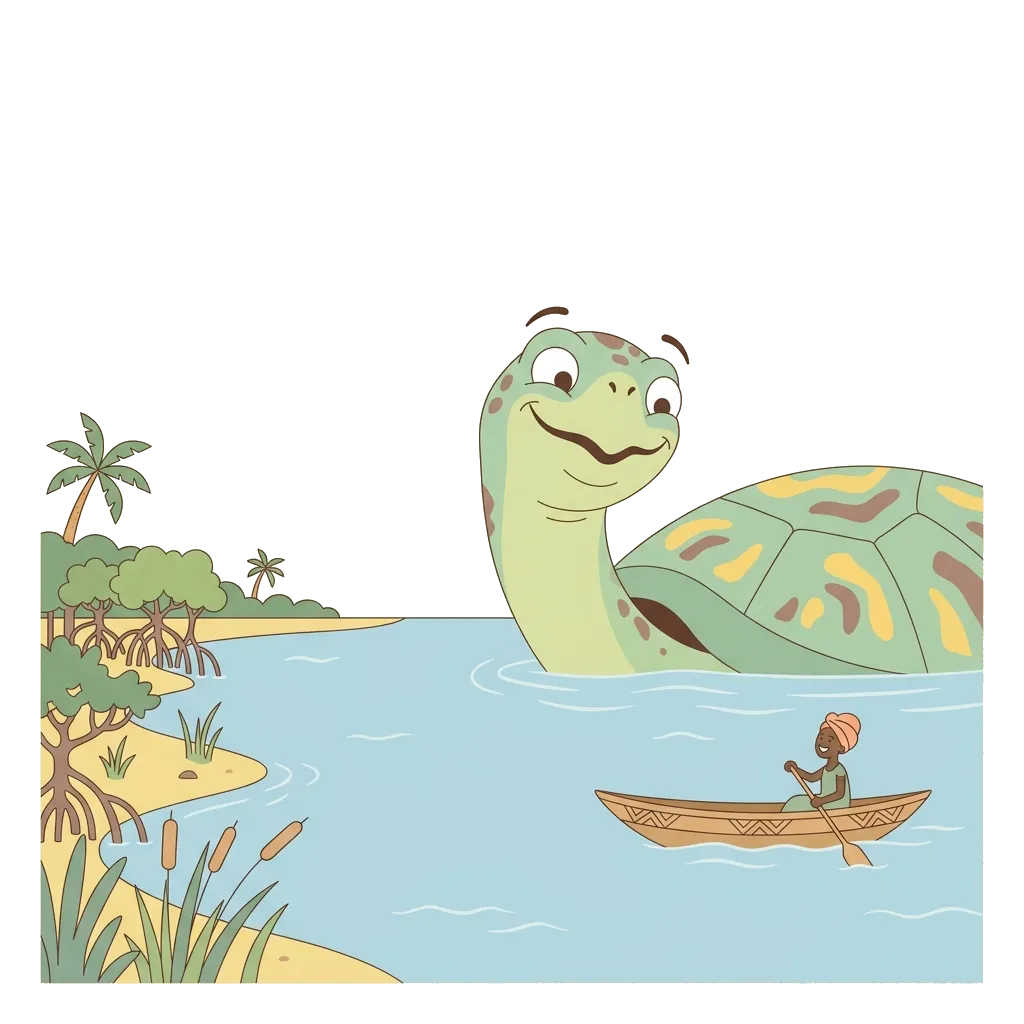
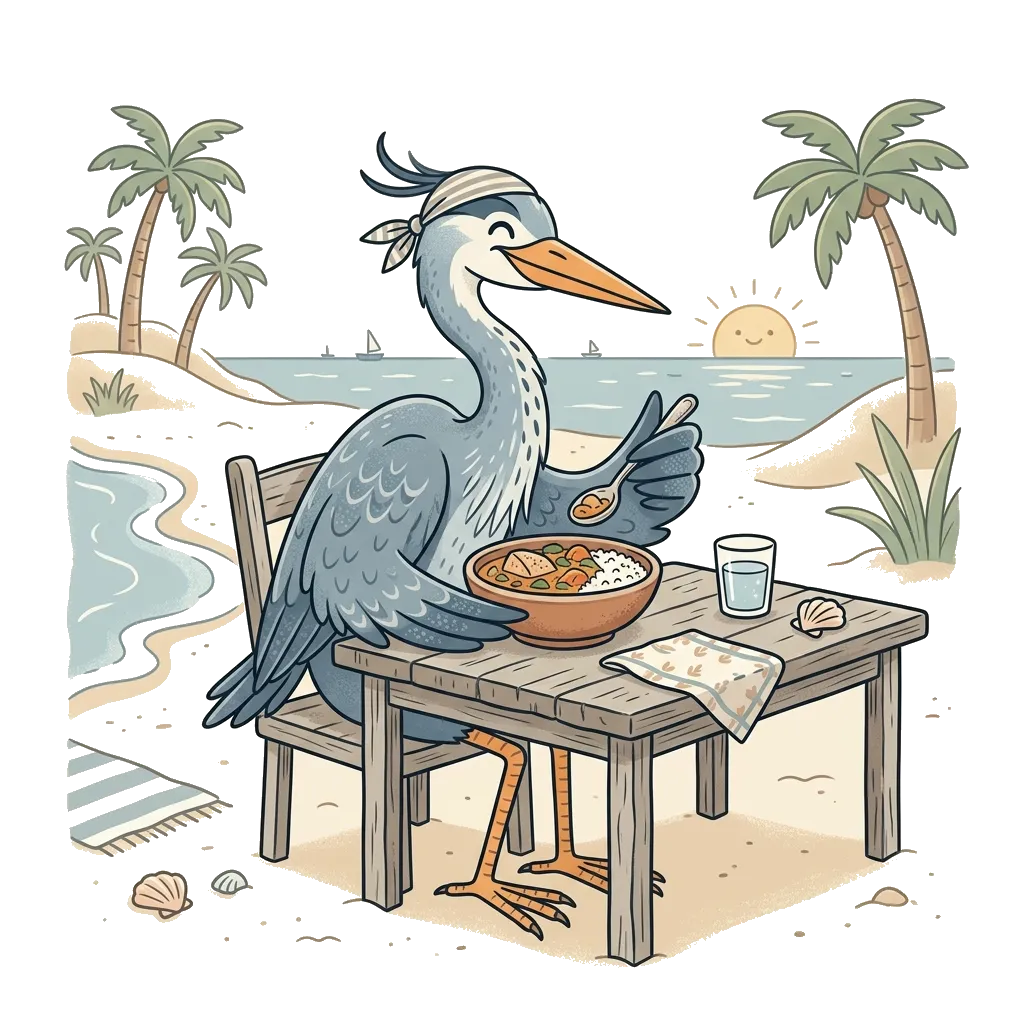



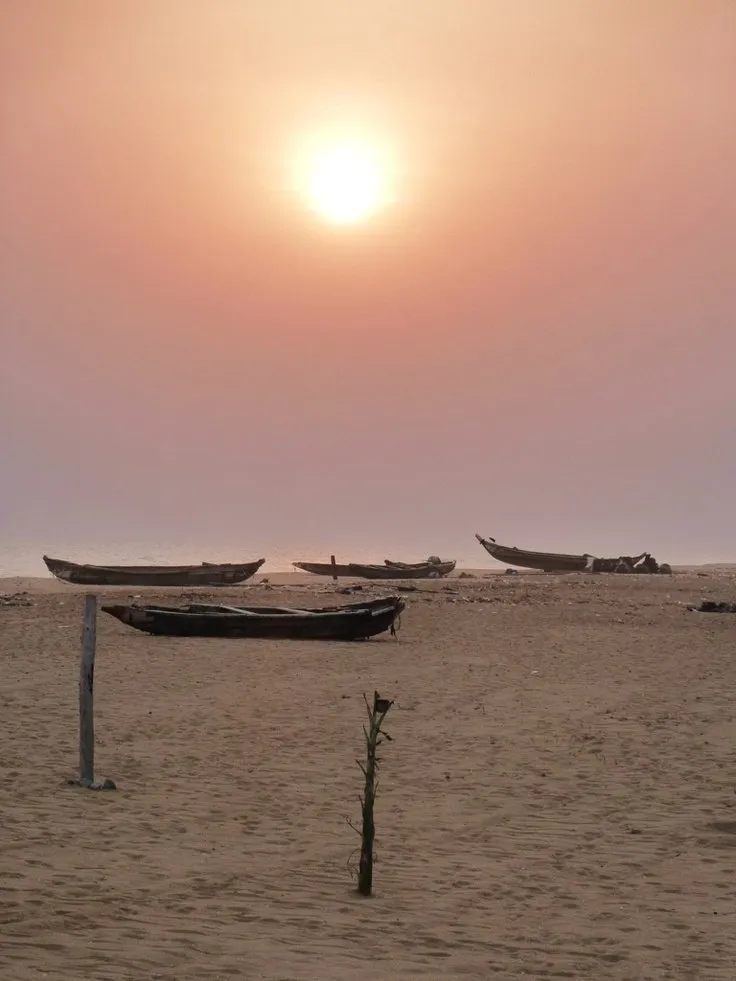
Grand-Popo is a paradise for seafood lovers. The waters of the Atlantic and the Mono River teem with fish, crustaceans and shellfish of remarkable freshness. What makes the difference here is the time between catch and plate: the fish you enjoy in the evening was caught that same morning, sometimes just hours earlier. The fishermen who supply the local tables cross the Atlantic swell in narrow wooden pirogues before sunrise, and what they bring back defines the day's menu.
Grand-Popo seafood offers an authentic gastronomic experience, rooted in the traditions of Xwla fishermen and magnified by wood fire and local spices. Whether you are a fan of grilled fish, garlic-sauteed shrimp or crab in sauce, the tables of Grand-Popo have unforgettable discoveries in store.
For an overview of the culinary scene, start with our Grand-Popo food and drink guide.
What the Atlantic and the Mono River put on your plate
The coast of Grand-Popo offers an exceptional diversity of seafood, harvested by local fishermen using traditional techniques passed down through generations.
Sea fish are the most varied. Captainfish, a noble fish with firm white flesh and a mild, clean taste, is the most sought after. Sea bass, sole, wahoo, jack, grouper and sea bream complete the palette. Each species has its season and its ideal preparation: sole needs nothing but a squeeze of lime and a hot coal, while captainfish stands up to bold marinades and long grilling. Wahoo, caught offshore in deeper water, has a firmer, almost buttery texture that holds up beautifully over embers.
Crustaceans are the other great richness of the coast. Lagoon shrimp, smaller than farmed shrimp but infinitely more tasty, and Mono River crabs, famous throughout the region for the finesse of their flesh. Lobsters and spiny lobsters, caught offshore by Xwla fishermen, are the jewels of local gastronomy.
Shellfish are less present but lagoon oysters, attached to mangrove roots, are worth the detour. Their iodized and mineral flavor is incomparable, a direct expression of the brackish water they grow in.
This abundance is the fruit of a preserved coastal ecosystem. The mixing of the fresh waters of the Mono and the salt waters of the Atlantic creates ideal conditions for marine life. The mangroves serve as nurseries for juveniles, while the lagoon offers feeding areas rich in plankton.
Grilled fish, the dish that defines the coast
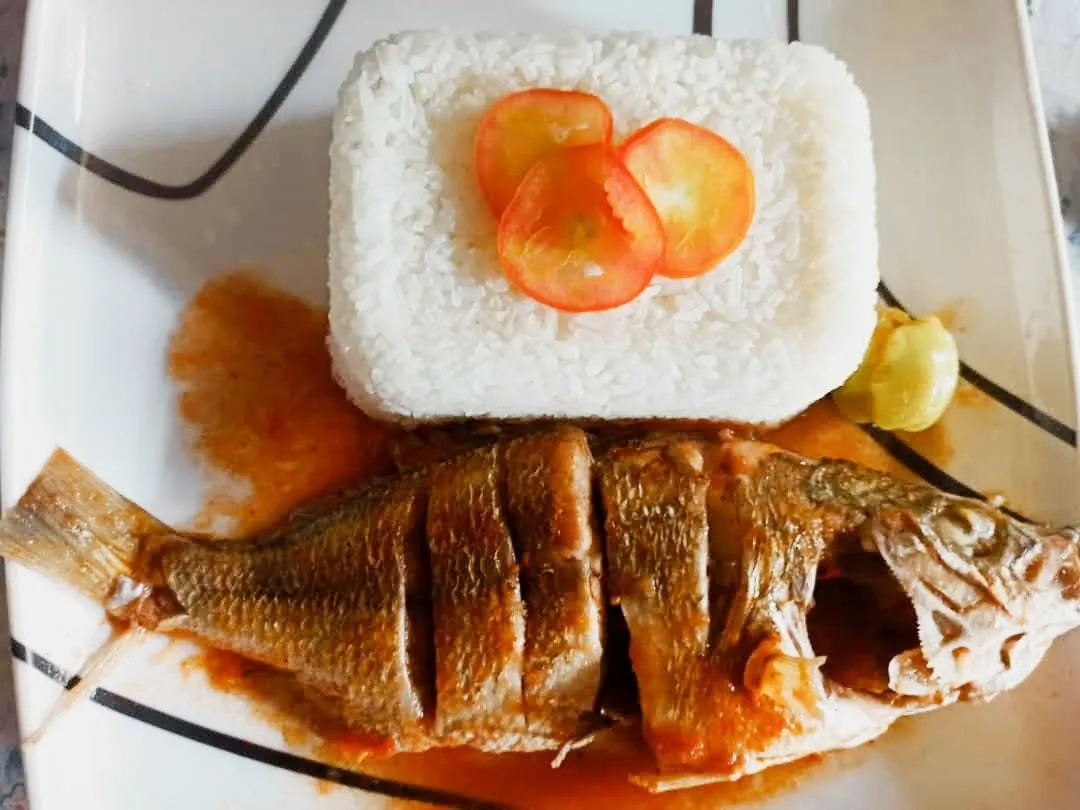
Grilled fish is the king dish of Grand-Popo. Its preparation is a ritual that begins at dawn, when fishermen bring their day's catch to the fish market.
The fish is gutted, washed, scored, then marinated in a blend of garlic, ginger, fresh chili, onion and secret spices that every cook jealously guards. It rests for at least an hour, allowing the flavors to penetrate deep into the flesh. By the time it reaches the grill, the fish has absorbed the marinade and the garlic has gentled slightly, the chili deepened.
Cooking is done over a wood fire, on an iron grill. The fish is turned several times with a wooden spatula until the skin is crispy and lightly caramelized, pulling back from the flesh in places to reveal the white interior. The grill master knows the precise cooking time for each species and rarely uses a timer. He reads the fish: when the flesh has pulled slightly away from the backbone at the scored line, it is done.
Grilled fish is enjoyed with classic accompaniments: attieke (fermented cassava semolina), alloco (fried plantain), corn paste, sauteed vegetables or okra sauce. Each restaurant offers its selection of sauces: spicy tomato sauce, peanut sauce, baobab leaf sauce.
Count 3,000 to 6,000 FCFA (5 to 9 EUR) for a generous grilled fish at a local restaurant. At Chez Paterne, the institution on the beach, the bill comes to 7,000 FCFA (11 EUR) but the quality is consistent and the setting is worth the extra.
Shrimp and crabs: the lagoon's finest catch
Lagoon shrimp are a specialty of Grand-Popo. Smaller than farmed shrimp, they have a concentrated, almost sweet flavor that makes them irresistible. Caught in conical baskets by women in the shallow waters of the lagoon, they are an essential ingredient of local cuisine and one of the best things to eat simply sauteed.
Shrimp are prepared sauteed with garlic and chili, in grilled brochettes, or incorporated into thick tomato sauces served with rice. The sauteed version is the most revelatory: a hot pan, red palm oil, crushed garlic, the shrimp tossed in for barely two minutes, still slightly translucent inside. The garlic edges brown and the palm oil takes on a deeper hue. Restaurants generally offer them as a starter or main course. Count 4,000 to 8,000 FCFA (6 to 12 EUR) for a generous plate.
Mono River crabs are famous throughout Benin. Their flesh is particularly flavorful, especially those caught in the dry season (November to March). They are prepared in sauce (crab with chili, ginger, tomato), grilled over wood fire or in soup. Beach restaurants offer them on order, as the preparation takes time.
Stuffed crab is a local specialty: the crab meat is mixed with breadcrumbs, garlic, parsley and spices, then placed back in the shell and grilled. A refined dish that testifies to the culinary creativity of Grand-Popo's cooks.
Lobsters and spiny lobsters are the most noble products. Caught offshore, they are available on order at the best restaurants. Count 8,000 to 15,000 FCFA (12 to 23 EUR) for a grilled lobster, served with garlic butter and lemon.
Lagoon oysters, iodine and mineral on the half-shell
Grand-Popo's lagoon oysters are a rare and precious product that deserves special mention. They grow attached to mangrove roots, in the brackish waters of the lagoon, filtered by the tides and nourished by the plankton that the Mono River carries to the sea.
Unlike European farmed oysters, lagoon oysters are smaller, more elongated, with a more irregular shell. Their flesh is firm and their flavor intensely iodized, with vegetal notes that recall the mangrove. Their color ranges from creamy white to pale green, depending on the season and water salinity.
Harvesting oysters is delicate work. Harvesters detach them by hand from the mangrove roots at low tide, taking care not to damage the trees. The oysters are then washed and sorted. Only the finest are destined for sale.
They are enjoyed raw, with a squeeze of lime and a hot sauce made with fresh chili and shallot. Tasting them is a moment of pure gastronomy, ideal as an aperitif watching the sunset over the lagoon. The brininess on the first bite softens to a clean, oceanic sweetness that lingers. The second oyster tastes different from the first: the palate has adjusted and the mineral notes come forward.
The price of lagoon oysters is 1,000 to 2,000 FCFA (1.5 to 3 EUR) per dozen at the market, and 2,500 to 4,000 FCFA (4 to 6 EUR) at restaurants.
Fish market: arrive before sunrise
The Grand-Popo fish market is a spectacle in itself. Located near the main landing stage, it comes alive at dawn, around 6 am, when the pirogues return from the night's fishing.
The catch is unloaded, sorted, negotiated in a friendly cacophony. The freshest fish go first: arrive early to see the bustle and choose the best pieces. The women of the market, expert and smiling, will guide you in your choice if you ask.
The species present vary according to the season and sea conditions. In the dry season, the stalls overflow with captainfish, sea bass and wahoo. In the wet season, lagoon fish dominate: mullet, tilapia and small shrimp that the lagoon fisherwomen catch at night.
Prices are negotiable, but the differences remain reasonable. A two-kilo captainfish can be negotiated between 3,000 and 5,000 FCFA (5 to 8 EUR). A dozen crabs will cost you between 2,000 and 4,000 FCFA (3 to 6 EUR).
The market is also a place of cultural exchange. Fishermen recount their sea outings, the rare species they encountered, the night's conditions. Spend an hour here and you will understand the rhythm of this town.
For more on the Grand-Popo market, check our markets guide.
Where to eat seafood in Grand-Popo
Seafood can be enjoyed across the full range of Grand-Popo restaurants, from the most rustic beach maquis to the elegant tables of lodges.
Chez Paterne is the unmissable address for grilled fish. The family recipe, passed from father to son, is kept secret. The feet-in-the-sand atmosphere, facing the ocean, adds to the experience. Count 5,000 to 10,000 FCFA (8 to 15 EUR) per person.
Lion Bar offers seafood in a unique setting, with its open-air library and regular concerts. The sauteed shrimp and fish brochettes are particularly good, and the cocktails that follow are excellent.
The beach restaurants lining the coast all offer wood-fire grilled fish. Each has its specialty and atmosphere. Prices are very affordable, between 3,000 and 7,000 FCFA (5 to 11 EUR) per person.
Ecolodges often offer dinner by reservation that highlights seafood. These meals, prepared by local cooks, are an opportunity to taste traditional preparations in an intimate setting far from tourist noise.
For a complete selection, check our guide to Grand-Popo restaurants.
Seasonality, when each species reaches its peak
The availability of seafood in Grand-Popo varies according to the seasons and the reproductive cycles of species.
Dry season (November to March): this is the high season for seafood. The sea is calmer and fishermen go out regularly. Mono crabs are at their best. Sea fish (captainfish, sea bass, sole) are abundant.
Mid-season (April to June): sea conditions deteriorate but lagoon fishing is productive. Shrimp and lagoon fish dominate the stalls.
Wet season (July to October): the sea is often rough and pirogue outings are limited. Lagoon and river fish take over. Lagoon oysters are at their peak from September to November, when the rains flush the lagoon with nutrients.
Whatever the season, there is always fresh fish in Grand-Popo. Tides and weather conditions influence the day's fishing more than the season itself. Ask the fishmonger what came in that morning and let her choose for you.
Local recipes to take home
To extend the experience at home, here are two unmissable recipes from Grand-Popo's cuisine.
Grand-Popo style grilled fish. Marinate a nice fish (sea bass or captainfish) in a blend of crushed garlic, grated ginger, chopped fresh chili, sliced onion, lemon juice and a pinch of Grand-Popo artisanal salt. Leave to rest for one hour. Grill over wood fire or barbecue, basting regularly with the remaining marinade. Serve with attieke and spicy tomato sauce.
Garlic sauteed lagoon shrimp. Peel 500 grams of shrimp. Saute four crushed garlic cloves in red palm oil until fragrant and golden at the edges. Add the shrimp, two whole bird's eye chilies, salt and a spoonful of tomato paste. Saute for three minutes over high heat, shaking the pan rather than stirring. Serve immediately with white rice before the shrimp lose their freshness. The palm oil gives the sauce a deep rust color and a warmth that no other fat can replicate.
These simple recipes highlight the freshness of the ingredients and local spices. The secret is in the quality of the ingredients.
FAQ
What is the best seafood in Grand-Popo? Grilled fish, Mono River crabs and lagoon shrimp are the unmissable specialties.
Where to eat the best seafood in Grand-Popo? Chez Paterne for grilled fish, beach restaurants for crabs and Lion Bar for shrimp.
How much does a seafood meal cost? Between 4,000 and 10,000 FCFA (6 to 15 EUR) per person depending on the restaurant and chosen dish.
When are crabs caught in Grand-Popo? The best season is the dry season, from November to March, when crabs are at their meatiest.
Can I buy fish directly from fishermen? Yes, at the fish market from dawn onwards. It is an opportunity to see the day's catch being unloaded.
Are there oysters in Grand-Popo? Yes, lagoon oysters attached to mangrove roots. A rare and delicious specialty.
Plan Your Visit
Discover the magic of Grand-Popo with our curated local experiences.