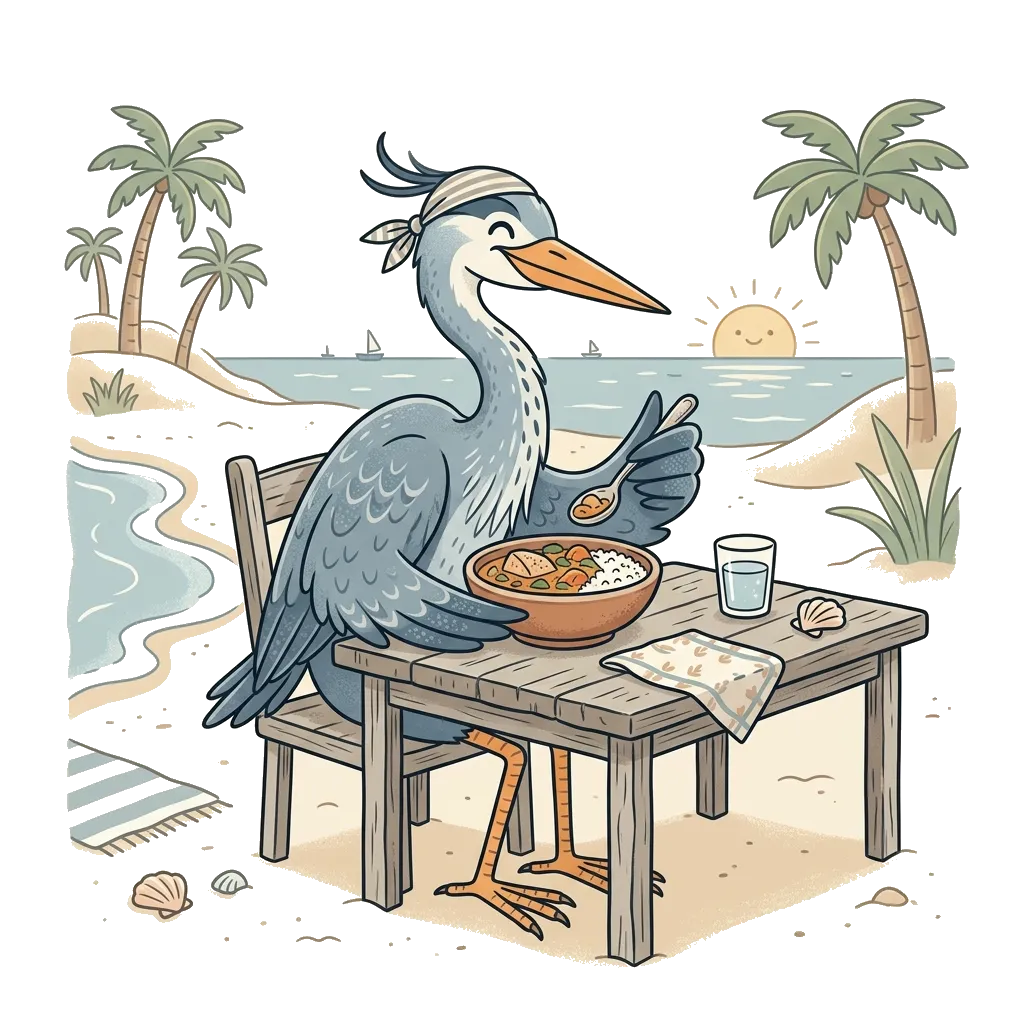



There are addresses that cannot be explained, only experienced. Chez Paterne is one of them. On the beach of Grand-Popo, a few meters from the Atlantic surf, this no-frills restaurant has become a true institution, the rallying point for all those seeking the truth of taste and the warmth of Beninese hospitality.
The scene is set from arrival: a few wooden tables protected by raffia huts, the crash of waves as a soundtrack, the enchanting smell of burning palm wood. At Chez Paterne, there is no fuss. You eat with your feet in the sand, in an atmosphere of rediscovered slowness that sums up the Popof art of living. To understand why this table is unique, our food and drink guide places the experience in context, and the restaurants of Grand-Popo offer alternatives for those who want to vary their pleasures.
Feet in the sand, tasting the Atlantic on every plate
The place is deliberately sparse. No embroidered tablecloths, no laminated menus, no background music chosen by a designer. Here, nature provides the decor and the soundtrack. Tables are set directly on the sand, in the partial shade of the palms. Chairs are plastic, indestructible, functional. The electricity is the sun's, which sets every evening in a spectacle of which Paterne has the privilege of being the first spectator.
What strikes you on arrival is the smell. That light smoke of burning palm wood, mixed with the aromas of garlic, ginger and fresh fish marinating. A smell that clings to your clothes and that, months later, will be enough to transport you back to this beach without any effort. Close your eyes and the memory is complete: salt air, wood smoke, the faint heat of coals.
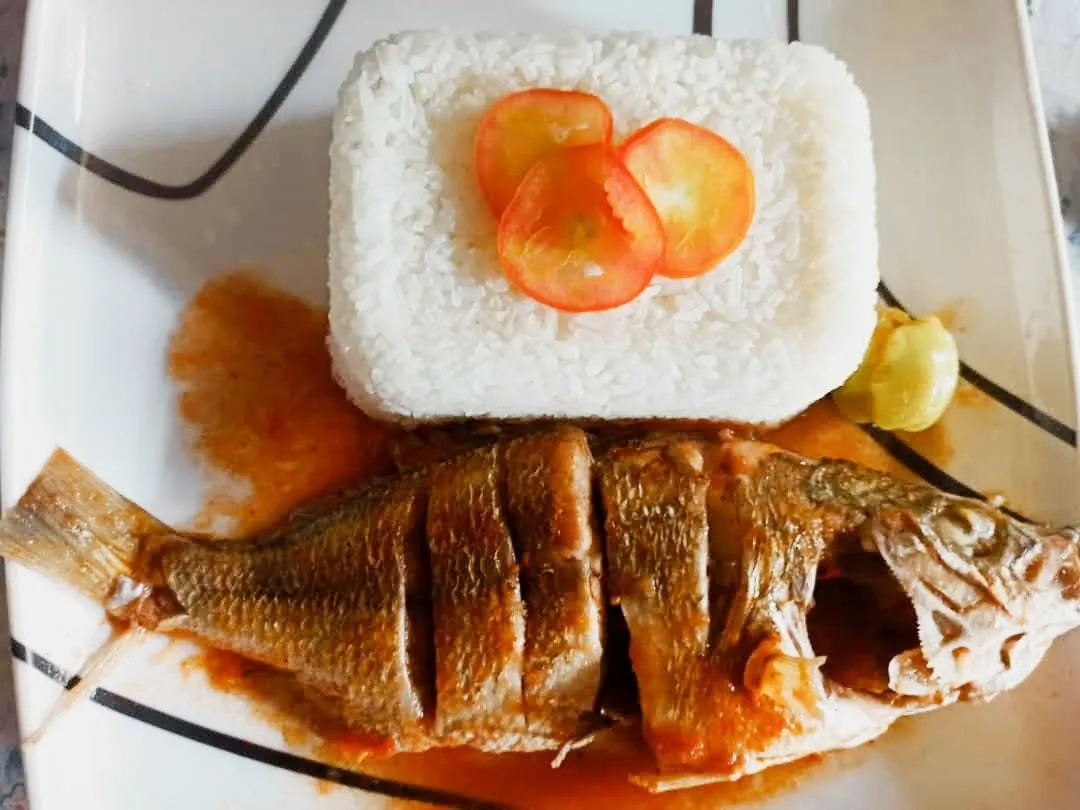
The fish skin crackles as it hits the grill. That sound, from twenty meters away, is already promising. By the time the plate arrives, the skin is dark and crispy at the edges, the flesh beneath still yielding and moist. You smell citrus, chili and the sea all at once. The first bite releases a burst of warm garlic, then a clean saline note from the lagoon salt, then the quiet heat of chili that builds slowly and stays.
The welcome matches the place: simple, warm, sincere. Paterne himself often comes to greet you, a broad smile on his face. He shakes your hand, asks where you are from, seats you at the best available table. Nothing calculated, nothing fake: just a man who loves to host and is proud of what he offers.
Paterne, the man behind the myth
Paterne is not a restaurateur like any other. He is the guardian of a family skill, passed from father to son, and he knows every corner of the coast, every story of the town, every fisherman in the neighborhood. Sitting at his table means opening yourself to discussion, sharing, discovering the soul of Grand-Popo.
His strength lies in his unbreakable bond with local fishermen. Every morning, before dawn, the pirogues cross the Bar, that line of powerful waves that protects the coastline. Xwla fishermen risk their lives to bring back the day's catch. Paterne selects the finest pieces himself, directly as they come off the pirogues, guaranteeing unequaled freshness. He will not serve a fish that is not from that morning. A piece that arrived yesterday simply does not exist on his menu.
He knows the name of every fisherman, the character of every fish, the best way to prepare each species. For him, cooking is a matter of respect: respect for the product, respect for the customer, respect for tradition. He can tell a grouper's freshness by pressing gently behind the gill cover, and he chooses differently depending on whether the sea was rough or calm the night before. This simple but demanding philosophy is the secret of his success.
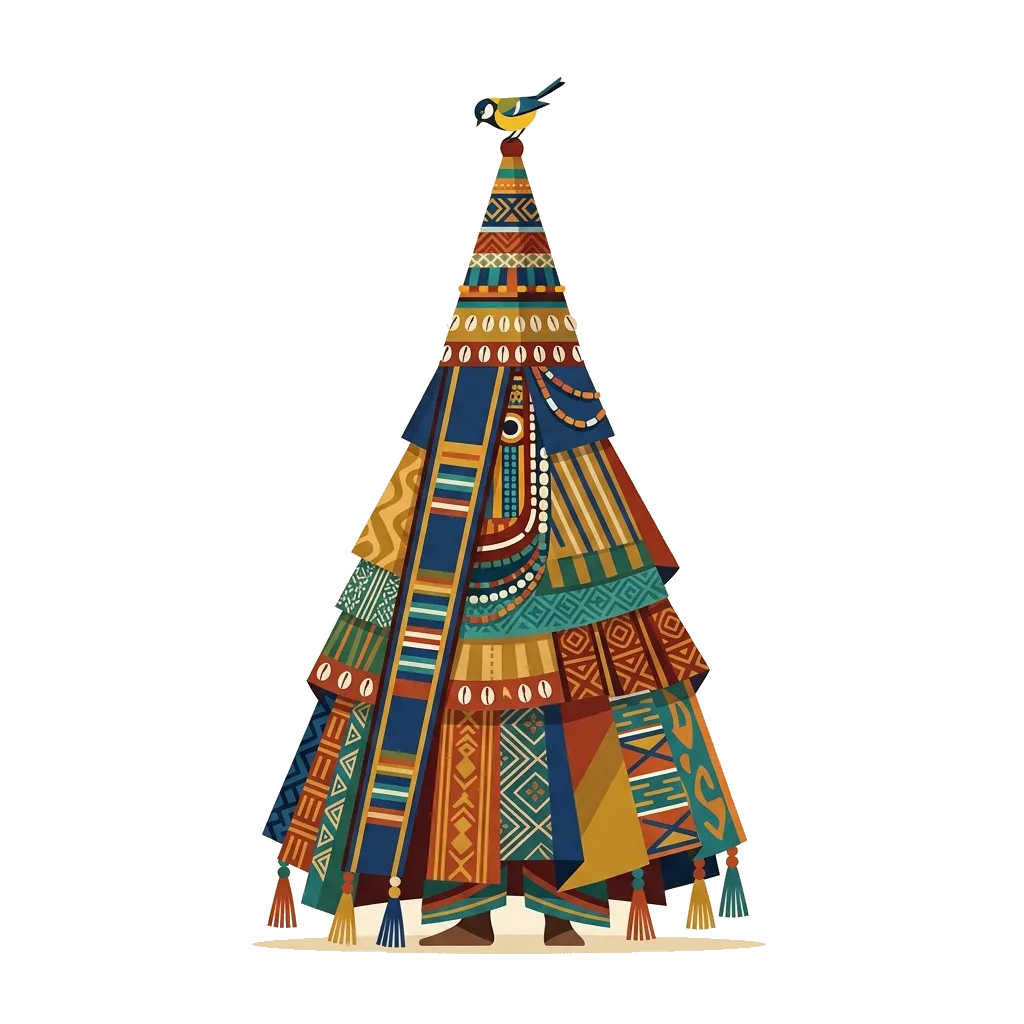
For those who want to understand the world around Paterne, artisanal fishing in Grand-Popo sheds light on the daily life of the men who supply his kitchen. And for an immersion in local culture, the Zangbeto, guardians of tradition, protect the beach where Paterne has set up his tables.
Mahi-mahi dorado: the fish that made his reputation
Paterne's specialty, the one that has earned him a reputation far beyond Benin's borders, is grilled mahi-mahi dorado. This magnificent fish, with its golden coat and firm flesh, is caught offshore by Xwla pirogues. It arrives at Paterne's within hours of being caught, still quivering.
The preparation is a ritual. The fish is gutted, washed, scored in a crosshatch pattern so the marinade penetrates deep into the flesh. The marinade is Paterne's jealously guarded secret: you can detect garlic and ginger in generous quantity, fresh chili, onion, lime, and something else that even regular customers cannot identify with certainty. Some speak of a hint of clove, others of a touch of nutmeg. The fish rests in this bath for at least an hour, sometimes two. During that time, the acid of the lime begins to work on the outer layer, firming the flesh slightly and pulling the spice aromas inward.
Cooking is done over a wood fire, on an iron grill adjusted to the perfect height above the embers. Paterne or his assistant turns the fish with a wooden spatula, with a precision that betrays years of practice. The skin becomes crispy, lightly caramelized, pulling slightly from the edges. The flesh remains tender and juicy inside, a clean white that flakes apart at the touch of a fork. The scent of chili and lime rises in the steam.
The fish is served whole, on a large platter, accompanied by attieke (fermented cassava semolina), vegetables sauteed in palm oil and a selection of homemade sauces. Each diner serves themselves, takes a piece of flesh, dips it in the sauce. It is a moment of sharing, of silence sometimes, of closing one's eyes to savor better.
Lagoon salt, the white gold that changes everything
What makes Paterne's fish even more flavorful is the salt that seasons it. This is no ordinary salt: it is the artisanal salt harvested by Xwla women in the coastal lagoons. A gray salt, slightly moist, with mineral notes that evoke the sea and sun and the long hours of work that produced it.
Xwla women have worked the salt pans for generations. They draw lagoon water, pour it into evaporation basins, wait for the sun to do its work, then scrape the fine layer of salt that forms on the surface. The work is exhausting and the pay modest, but their salt is famous throughout Benin. The gray color comes from trace minerals dissolved in the lagoon: magnesium, iodine, and the faint residue of mangrove sediment that gives it a depth no white industrial salt can match.
Paterne uses only this lagoon salt. He says it gives the fish a flavor that industrial salt cannot reproduce. And he is right. Every bite of his mahi-mahi dorado carries the work of the salt pan women, the heat of the Popof sun, the generosity of land and sea reunited in a single seasoning. The salt does not just make food saltier: it gives it a sense of place.
The wait, the rhythm that makes the meal
At Chez Paterne, you do not eat in a hurry. Everything is cooked to order, and the wait is part of the experience. You must accept it, better still, embrace it.
While waiting for your fish, you can order a fresh pineapple juice pressed on the spot, or a well-chilled local beer. You watch the ocean, observe the fishermen repairing their nets further along the beach, read a book, chat with your table neighbors. Time flows differently at Chez Paterne. The minutes between ordering and eating are not wasted time but the beginning of the meal, a chance to settle into the rhythm of this place.
Do not come starving hoping to be served in ten minutes. At Chez Paterne, you come to take your time, to live at Grand-Popo's rhythm. It is one of the secrets of the place's longevity: it forces its customers to slow down, breathe, enjoy the present moment. This state of mind is at the heart of the Popof art of living, where slowness rhymes with intensity. The wait sharpens the appetite, and the appetite sharpens every flavor that follows.
The owner's digestif: sodabi and stories
To close a feast of seafood or a memorable dorado, Paterne will likely offer you a small flask of artisanal sodabi, infused with herbs from his garden. A gesture on his part, a gift, a ritual.
Sodabi, this palm spirit distilled artisanally in the surrounding villages, is much more than a digestif. It is a cultural marker, a link with ancestors, a central element of Beninese social life. At Chez Paterne, it is flavored with local herbs: lemongrass, mint, ginger, sometimes a touch of bitter bark for digestion. The first sip is sharp and warming, the second softer. By the third, the warmth has settled in the chest and the conversation has slowed into something comfortable.
Paterne sometimes sits with his customers to share this moment. He tells stories of fishing, of the Bar that was particularly rough that morning, of the customer who returned every year for ten years, of the most beautiful sunset he ever saw. The evening stretches on like this, until night has fully fallen and the moon reflects in the ocean. The sound of the waves is the only noise, along with the laughter still escaping from neighboring tables.
Extending the popof art of living
After a meal at Chez Paterne, a short digestive walk to the Lion Bar is in order. A few hundred meters along the same beach, this open-air bar-library is the natural extension of the evening. You sip a last drink while listening to music, feet still in the sand.
For those who wish to extend their stay in this state of mind, the ecolodges of Grand-Popo offer accommodation just steps from the beach, where the slow rhythm of Popof daily life will envelop you from the moment you wake up. Several lodges are close enough that you can smell the sea from your bed and hear the pirogues leaving before sunrise.
And if you want to understand why Grand-Popo has this very special flavor, explore our articles on Afro-Brazilian heritage. You will discover how history and spirituality have shaped this unique cuisine, and why every meal here carries a weight of memory that no menu can fully explain.
FAQ
Where exactly is Chez Paterne? Chez Paterne is located on Grand-Popo beach, about 500 meters east of the town center, toward Bouche du Roy. Look for the raffia huts and the smoke from the grill.
What are the opening hours? Chez Paterne is open every day for lunch (from 11:30 am) and dinner (until about 9 pm). It is advisable to arrive early to be sure of a table.
Do I need to book? Yes, especially in high season and on weekends. A WhatsApp message the day before or the same morning is usually sufficient.
How much does a meal at Chez Paterne cost? Count 5,000 to 10,000 FCFA (8 to 15 EUR) per person for a full meal with fish, side dish and drink.
What is the best dish at Chez Paterne? Grilled mahi-mahi dorado is the undisputed specialty. Garlic sauteed shrimp and grilled captainfish are also excellent.
Can I pay by card? No, Chez Paterne accepts cash and Mobile Money only.
Is there a vegetarian option? The menu is mainly based on fish and seafood. Side dishes (attieke, vegetables) can make a simple but tasty vegetarian meal.
Is the restaurant suitable for children? Yes, children are welcome. The beach atmosphere is perfect for families.
Plan Your Visit
Discover the magic of Grand-Popo with our curated local experiences.