

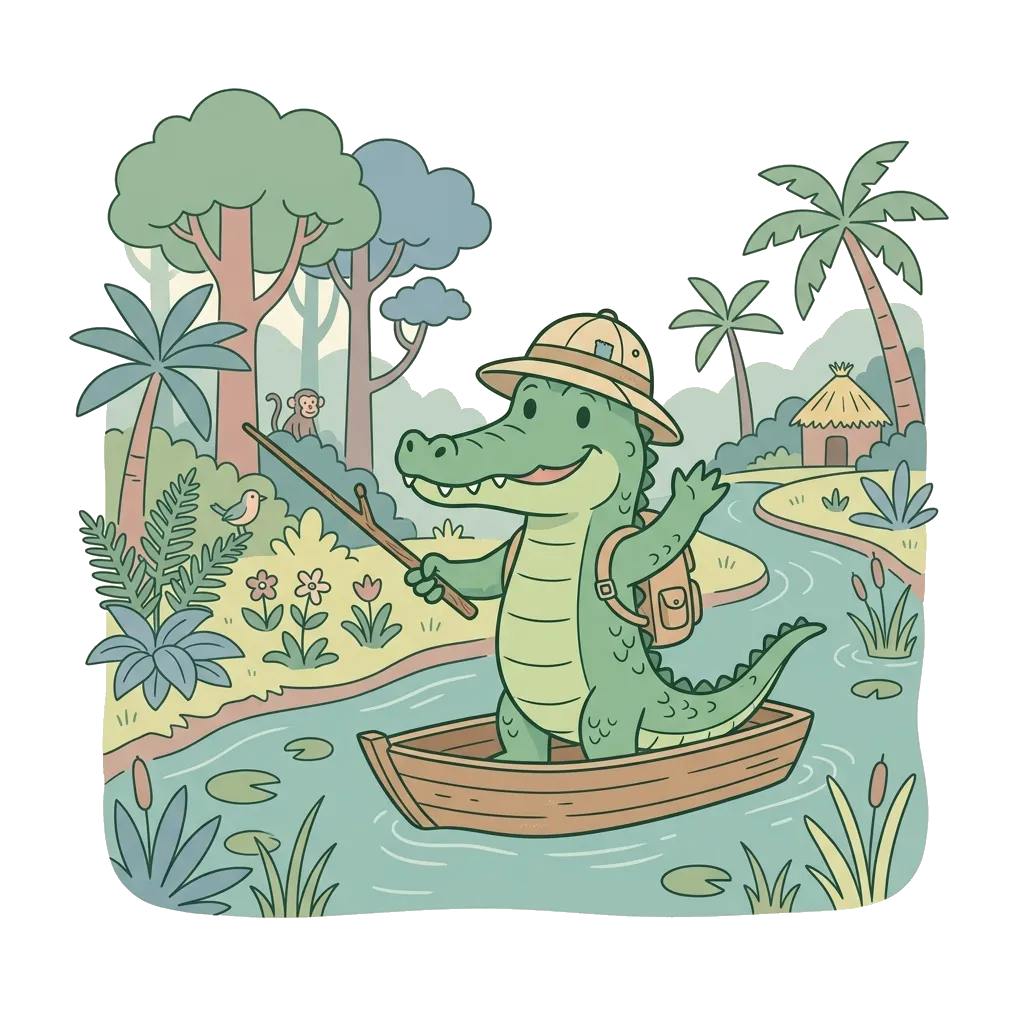
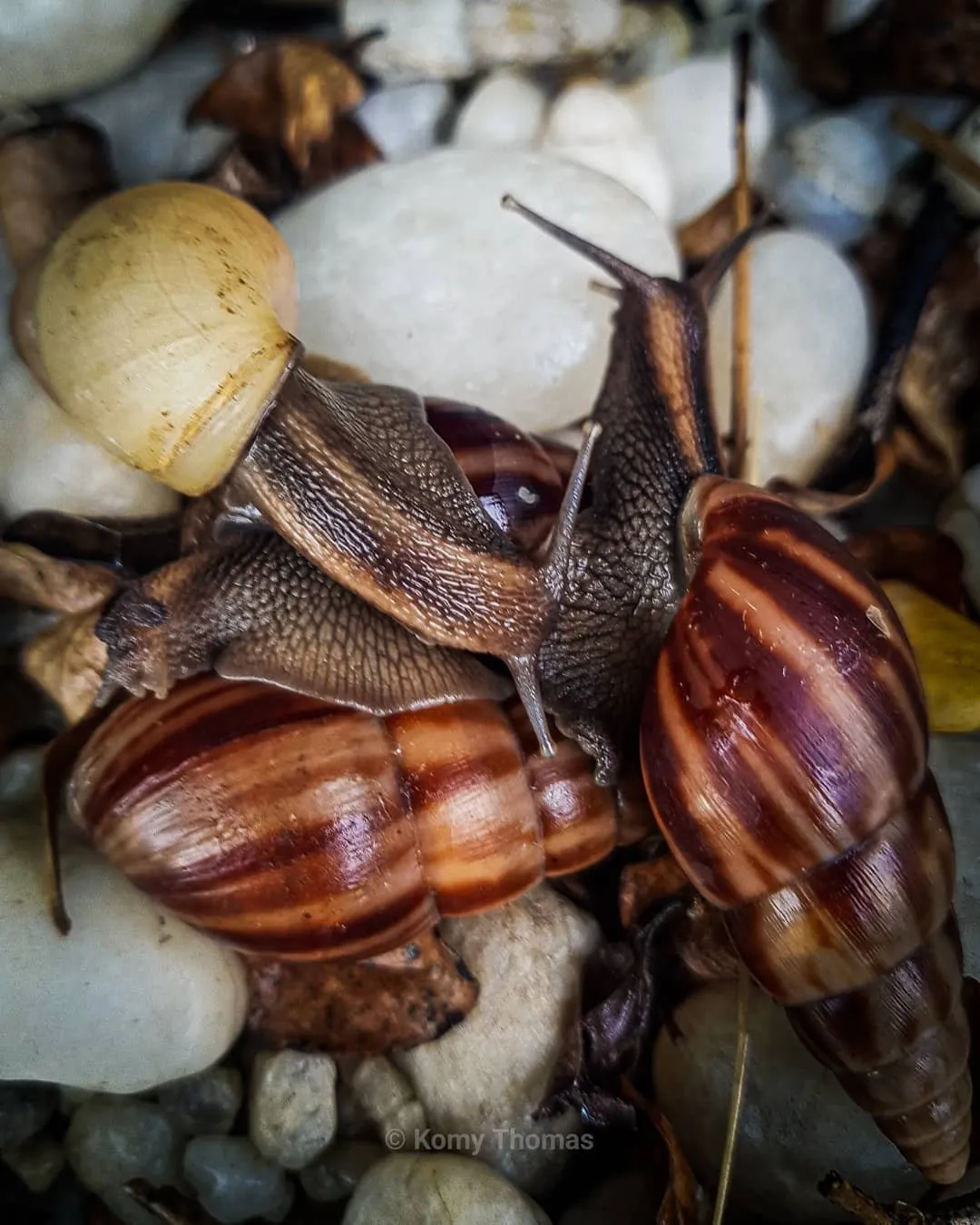
Grand-Popo is home to exceptional biological diversity, concentrated in a narrow strip between the Mono River and the Atlantic Ocean. This coastal band, about fifteen kilometres long, is a true biodiversity hotspot where ecosystems as varied as mangroves, lagoons, beaches, palm groves and coastal savannah meet.
The Grand-Popo wildlife and flora tell the story of southern Benin's natural richness. Manatees gliding through channels, multicoloured butterflies in the undergrowth, century-old mangroves, coconut palms bending in the wind: each species speaks of a preserved yet fragile ecosystem.
For an overview of Grand-Popo's nature, see our nature and ecotourism guide.
Five ecosystems in fifteen kilometres
The wealth of Grand-Popo's wildlife and flora comes from the diversity of its ecosystems. Within just a few kilometres, the landscape changes radically. Each ecosystem hosts specific species adapted to very different conditions.
Mangroves cover the banks of the Mono River and the lagoon shores. These amphibious forests are the lung of the coastal ecosystem. They shelter rich wildlife: fiddler crabs, juvenile fish growing safe from predators, waterbirds, and manatees that come to feed on mangrove leaves. The density of life per square metre in a healthy mangrove channel is extraordinary — every root is occupied.
The lagoon and its brackish waters form a transition zone between the river's fresh water and the ocean's salt water. Species adapted to varying salinity thrive here: fish like mullet and captain fish, crustaceans like grey shrimp, and aquatic vegetation that filters the water. The lagoon changes colour depending on the tide and light — jade green at high tide, brown-tinted at low, and briefly silver at the moment the sun catches it flat.
The beaches and dunes host salt-and wind-resistant flora: sea purslane, pink morning glory and beach grass that stabilise the sand. Sea turtles come to nest from September to March. The dune crest is a frontier: ocean wind on one face, still lagoon air on the other.
The palm groves and cultivated areas inland are the domain of terrestrial birds, small mammals and reptiles. At dusk, the fruit bats emerge from the tall palms in twisting, wavering streams — sometimes a hundred at a time from a single tree.
The Mono River itself deserves special mention as a distinct corridor: its slow brown waters support elephant fish (Gnathonemus petersii) capable of generating weak electrical fields to navigate turbid water, a species rarely seen but known to local fishermen who occasionally find them in their traps.
Mammals: the manatees and their neighbours
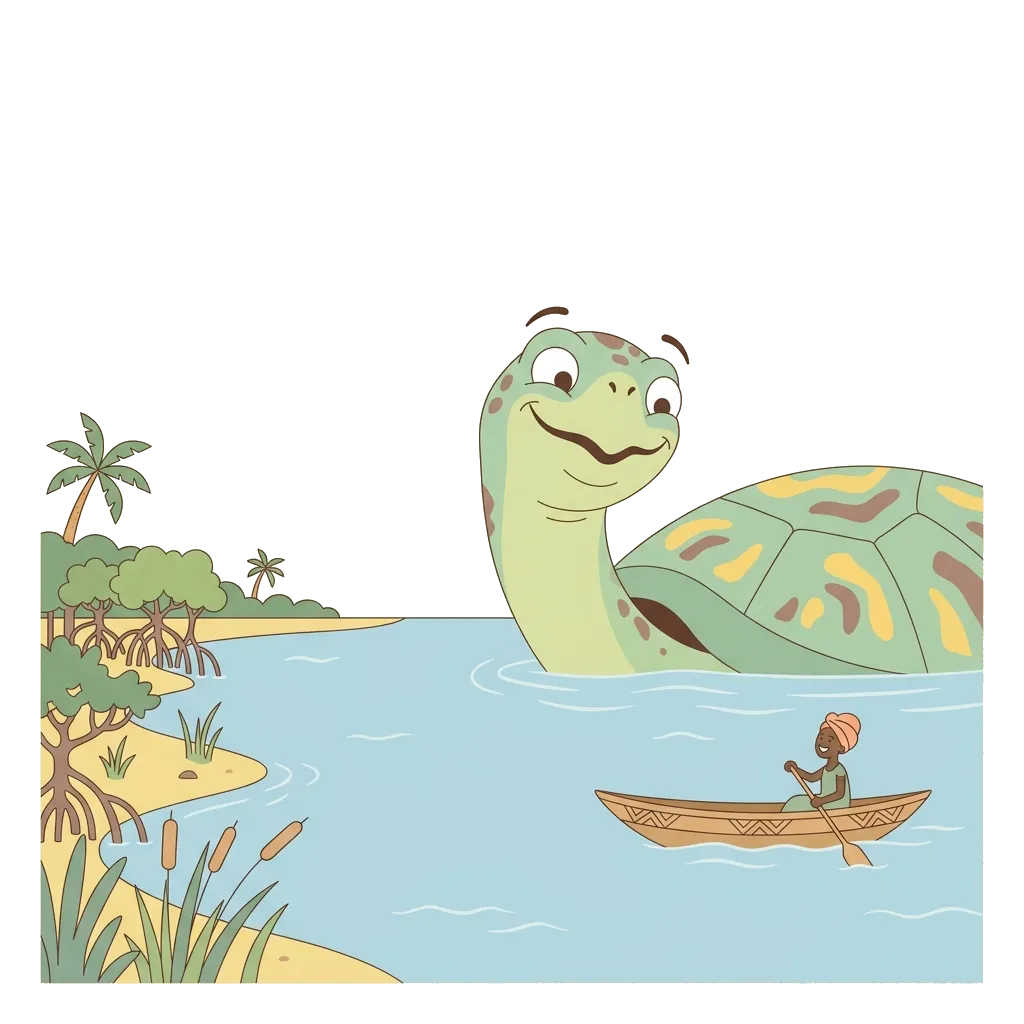
The African manatee (Trichechus senegalensis) is Grand-Popo's most iconic species. This large aquatic mammal, which can reach four metres in length and weigh nearly 500 kilograms, lives in the calm waters of the Mono River and the lagoon.
Manatees are strict herbivores. They feed on aquatic plants, mangrove leaves and riverside grasses. Their day is divided between feeding and resting. They surface regularly to breathe, occasionally offering a glimpse of their snout or tail. The exhalation is almost inaudible — just a small rush of air and a brief disturbance on the surface before the animal slips back under.
Observing manatees is difficult because the species is shy and the lagoon waters are often murky. Local guides know the feeding areas and the most favourable hours. The best time is early morning, when the sun warms the shallow waters and the manatees move in to graze.
Manatees are considered sacred by Xwla communities, who see them as protective spirits of the river. This cultural dimension reinforces local conservation efforts. Despite this protection, the species is classified as vulnerable by the IUCN, threatened by habitat degradation, boat collisions and fishing nets.
Other mammals in Grand-Popo include vervet monkeys (Chlorocebus sabaeus), common in palm groves and around dwellings, fruit bats inhabiting large trees, Gambian rats and a few species of small forest antelopes in the most remote areas.
Reptiles and amphibians
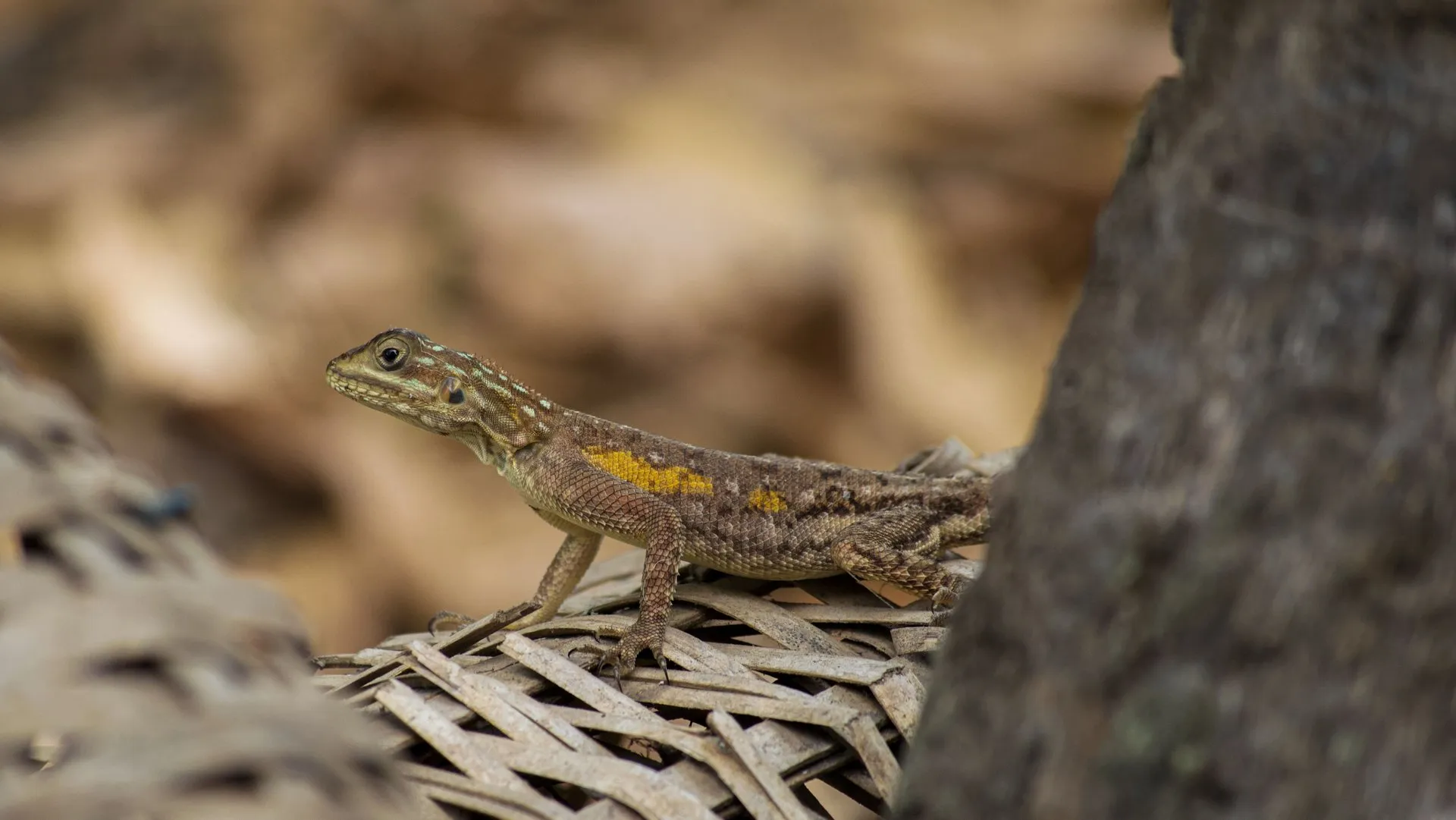
Reptiles are abundant in Grand-Popo, particularly in wetlands.
The Nile monitor (Varanus niloticus) is the most visible. This large lizard, reaching up to two metres in length, basks in the sun on riverbanks and fallen trunks. It feeds on fish, eggs, small mammals and carrion. Monitors are timid and flee quickly when approached, but a good guide can position you downwind of a basking animal for several minutes of unhurried observation. The speed of its movement when disturbed — from apparent stillness to a full sprint in under a second — is startling every time.
Sea turtles (green, hawksbill and olive ridley) frequent Grand-Popo beaches for nesting. They are covered in detail in our dedicated sea turtles guide.
Crocodiles are rare but present in the most remote parts of the Mono delta. A few dwarf crocodiles (Osteolaemus tetraspis) have been reported in the densest mangroves. This small, shy species does not exceed 1.5 metres and avoids human contact.
Snakes are diverse but rarely encountered. The most common are royal pythons, cobras and water snakes. Most are nocturnal and flee from humans. Bites are exceptional, and guides know first aid procedures.
Amphibians include many frog and toad species. Their nightly choruses, especially after rain, are one of the characteristic sounds of Grand-Popo. After a heavy downpour, the combined calling of tree frogs and puddle frogs from the palm groves can be audible from the beach — a layer of sound beneath the surf that visitors from drier climates find disorienting at first.
Fish and crustaceans
Grand-Popo's waters are rich in fish. The Mono River, the lagoon and the ocean offer a wide diversity of species that sustain local fishermen.
In the Mono River: captain fish, catfish, tilapia, carp, elephant fish and eels. Captain fish, reaching up to 50 kilograms, are the most sought after for their firm, flavourful flesh. A large captain requires two fishermen to lift.
In the lagoon: mullet, barramundi and a great variety of small species used in local sauces. Grey lagoon shrimp, caught with conical baskets by women, are an essential ingredient of gba na, a dried shrimp and tomato sauce.
In the ocean: Spanish mackerel, jack, sole, grouper, sea bream, barracuda and, more rarely, pelagic species like mahi-mahi and tuna. Xwla fishermen venture out in their pirogues, sometimes several kilometres from shore.
Crustaceans include Mono River crabs, lagoon shrimp (finer and tastier than farmed ones), and Atlantic lobsters and spiny lobsters.
Tropical flora
Grand-Popo's flora is characteristic of the West African coast, with species adapted to both seasonal humidity and drought.
Mangroves are dominated by the red mangrove (Rhizophora racemosa), recognisable by its stilt roots. The white mangrove (Avicennia germinans), rarer, grows on sandier soils with its vertical pneumatophores.
Dune vegetation consists of salt-resistant species: sea purslane (Sesuvium portulacastrum), pink morning glory (Ipomoea pes-caprae) and beach grass. These plants play an essential role in stabilising sand and protecting the coastline. The morning glory opens its flowers at dawn and closes them by midday, a small daily event that marks the hours on an otherwise timeless beach.
Palm groves cover vast areas. Oil palms and coconut palms are the most common. Under their shade grow shrubs, ferns and wild orchids.
Aquatic flora in the lagoon includes water lilies, water hyacinths and seagrasses that serve as food and shelter for manatees and fish. These plants also act as natural filters.
Remarkable trees
Some trees in Grand-Popo deserve special attention for their size, age or symbolic value.
The kapok tree (Ceiba pentandra) is the most imposing in the region. With its buttress roots rising several metres high and a trunk reaching 30 metres, it dominates the forest. Kapok trees are considered sacred in Vodoun tradition. Their branches hold altars of forest spirits. The oldest specimens in Grand-Popo have trunks that three adults cannot encircle with their arms, and their buttress roots create shadowed chambers at their base where offerings are sometimes left.
The African baobab (Adansonia digitata) is present but less common than in northern Benin. A few remarkable specimens, with massive trunks up to 10 metres in circumference, dot the landscape. Their fruit, monkey bread, is rich in vitamins and used in traditional medicine.
The coconut palm (Cocos nucifera) is the emblematic tree of the coastline. Its fruit provides water, flesh, oil and fibre used daily by communities.
The fan palm (Borassus aethiopum) is a majestic palm that grows in wetlands. Its wood is among the strongest in Africa. Its leaves are used for weaving and roofing. Its fruit, bere, is a popular snack for children who crack the hard outer shell on stones with the casual expertise of those who have done it a thousand times.
Threatened species
Several Grand-Popo species are classified as threatened by the International Union for Conservation of Nature (IUCN).
The African manatee is classified as vulnerable. Its population is declining due to habitat degradation, boat collisions and accidental capture in fishing nets.
The hawksbill turtle (Eretmochelys imbricata) is classified as critically endangered. Its population has declined by more than 80 percent over three generations due to shell poaching and egg theft.
All three sea turtle species present in Grand-Popo (green, hawksbill and olive ridley) are protected by the Washington Convention (CITES).
Certain freshwater fish, like the captain fish, face significant fishing pressure that threatens their renewal. Local authorities have established biological rest periods.
The mangrove itself is threatened by urbanisation, pollution and climate change. Its disappearance would mean the loss of countless species that depend on it.
Conservation
Several conservation initiatives are active in Grand-Popo.
Nature Tropicale association protects sea turtle nesting sites and monitors population trends. Its teams patrol the beaches every night of the season.
The manatee protection programme works with local fishermen to reduce accidental captures and identify feeding areas. Information panels are installed along the Mono River.
Community mangrove management involves riverside villages in protection and reforestation. Since 2020, more than 5,000 mangroves have been replanted with UNESCO support.
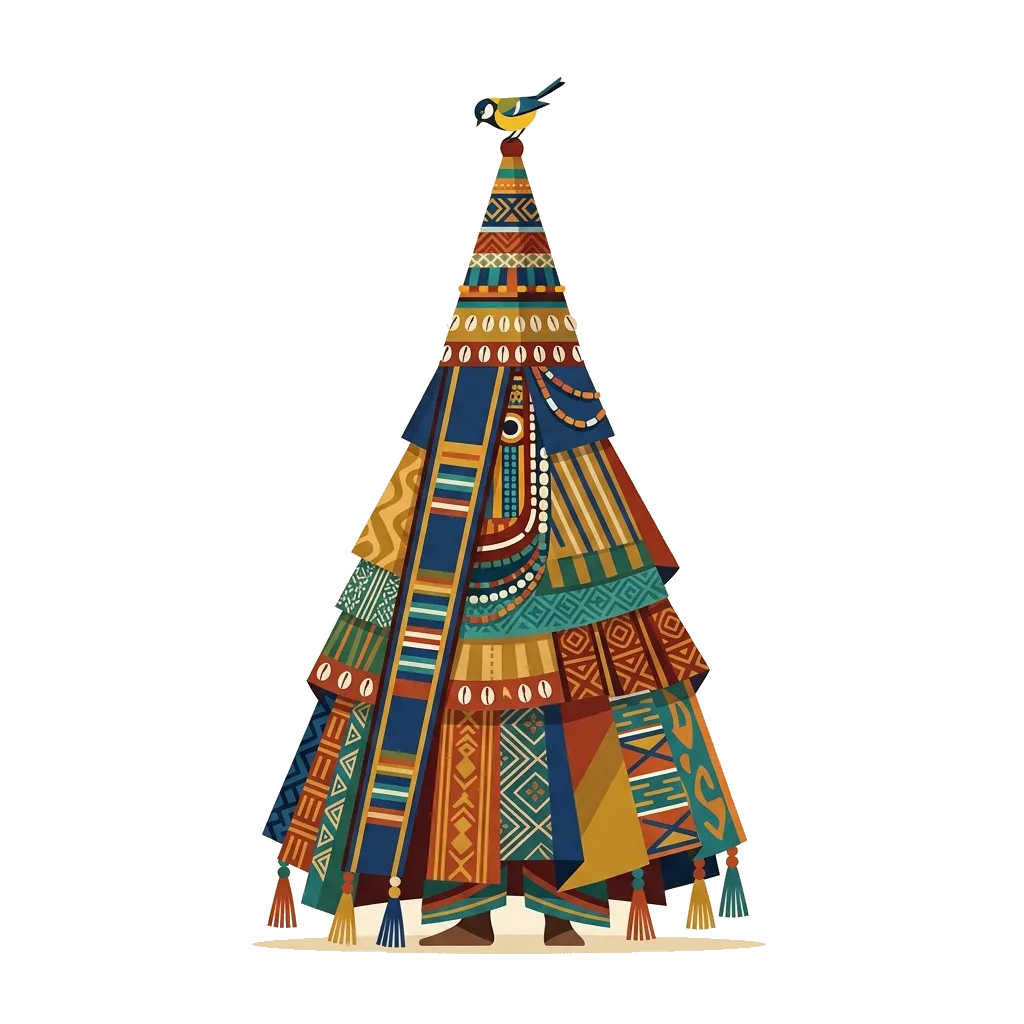
The Zangbeto, traditional night guardians, extend their protection to wildlife. Their moral authority deters poaching and destructive practices.
Visitors can contribute to these efforts by joining a guided outing, donating to associations, following nature guidelines and reporting any suspicious activity. Every action counts to preserve the Grand-Popo wildlife and flora for future generations.
FAQ
What are the main mammals of Grand-Popo? The African manatee is the most iconic. Vervet monkeys, fruit bats and Gambian rats are also found.
Can you see manatees in Grand-Popo? Yes, with a local guide who knows the feeding areas. The best time is early morning, in the calm delta channels.
What reptiles are found in Grand-Popo? Nile monitors, sea turtles, dwarf crocodiles (rare), pythons, cobras and many lizard species.
What trees are remarkable in Grand-Popo? Sacred kapok trees of Vodoun tradition, baobabs, coconut palms and fan palms.
Which species are threatened in Grand-Popo? The African manatee (vulnerable), the hawksbill turtle (critically endangered) and several fish species.
How can I help conserve wildlife and flora? Join guided outings, leave no waste, report turtle nests and support local associations.
Plan Your Visit
Discover the magic of Grand-Popo with our curated local experiences.