





In Grand-Popo, time is not a straight line. It is a rhythm dictated by the Mono River and the Atlantic Ocean. Every second is an invitation to slow down, breathe and be present. Here is why visit Grand-Popo deserves a spot on your travel list. Start with our complete Grand-Popo guide to plan everything.
Fifteen kilometres of beach with no crowds and no hotels
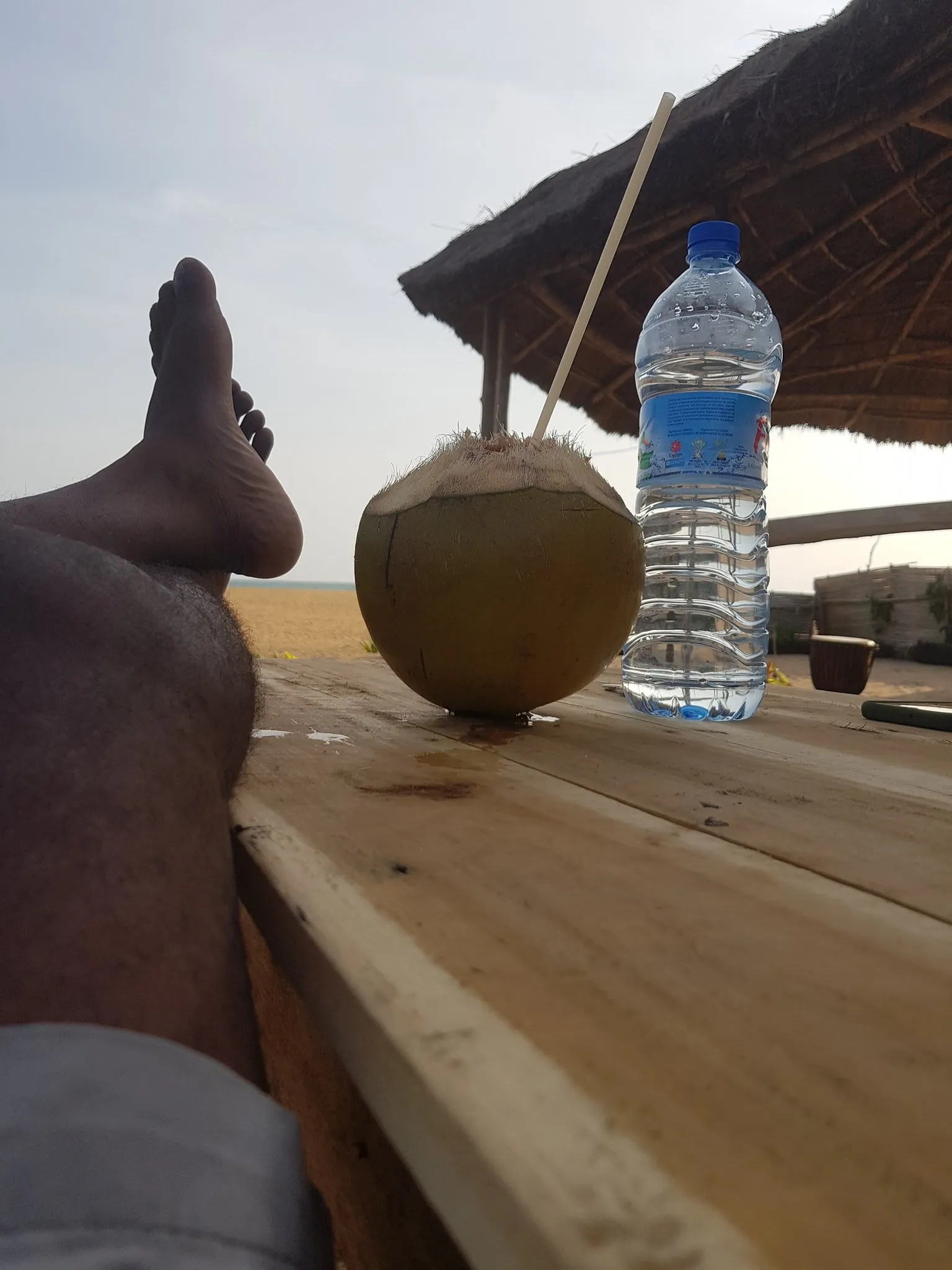
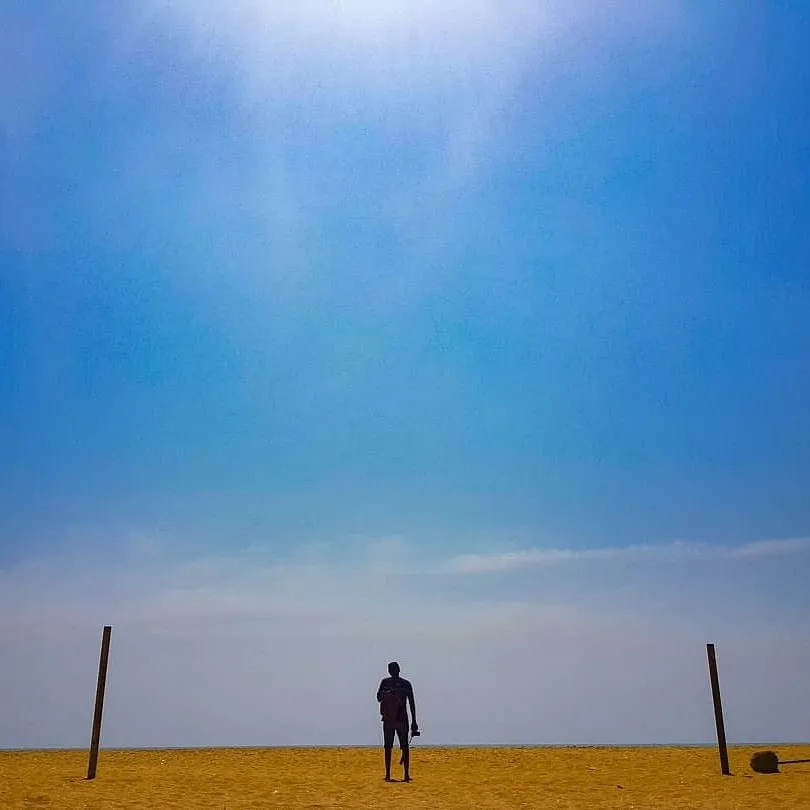
Fifteen kilometres of golden sand lined with coconut palms, without impersonal hotels or rows of deckchairs as far as the eye can see. Here, the beach is total freedom. You can walk for hours with only the roar of Atlantic waves for company, passing no more than a few fishermen pulling in their nets.
Go at dawn and you see something rare. Before 6am, the pirogues return from the night's fishing, silhouetted against a sky that moves from deep violet to orange in twenty minutes. The fishermen pull their boats up the sand without speaking much, focused on the weight of the nets. There are no tourists watching yet. The light catches the water and the whole scene feels private, unhurried, as though you have stumbled into something that happens every morning with or without an audience. This is what a beach looks like before the tourism industry gets to it.
The Mono river at dusk: pirogue rides through the mangroves
As the sun dips, take a pirogue up the Mono River. Mangrove silhouettes cut against the sky, and the light turns to liquid caramel. Xwla fishermen glide silently on the water, their nets cast like offerings.
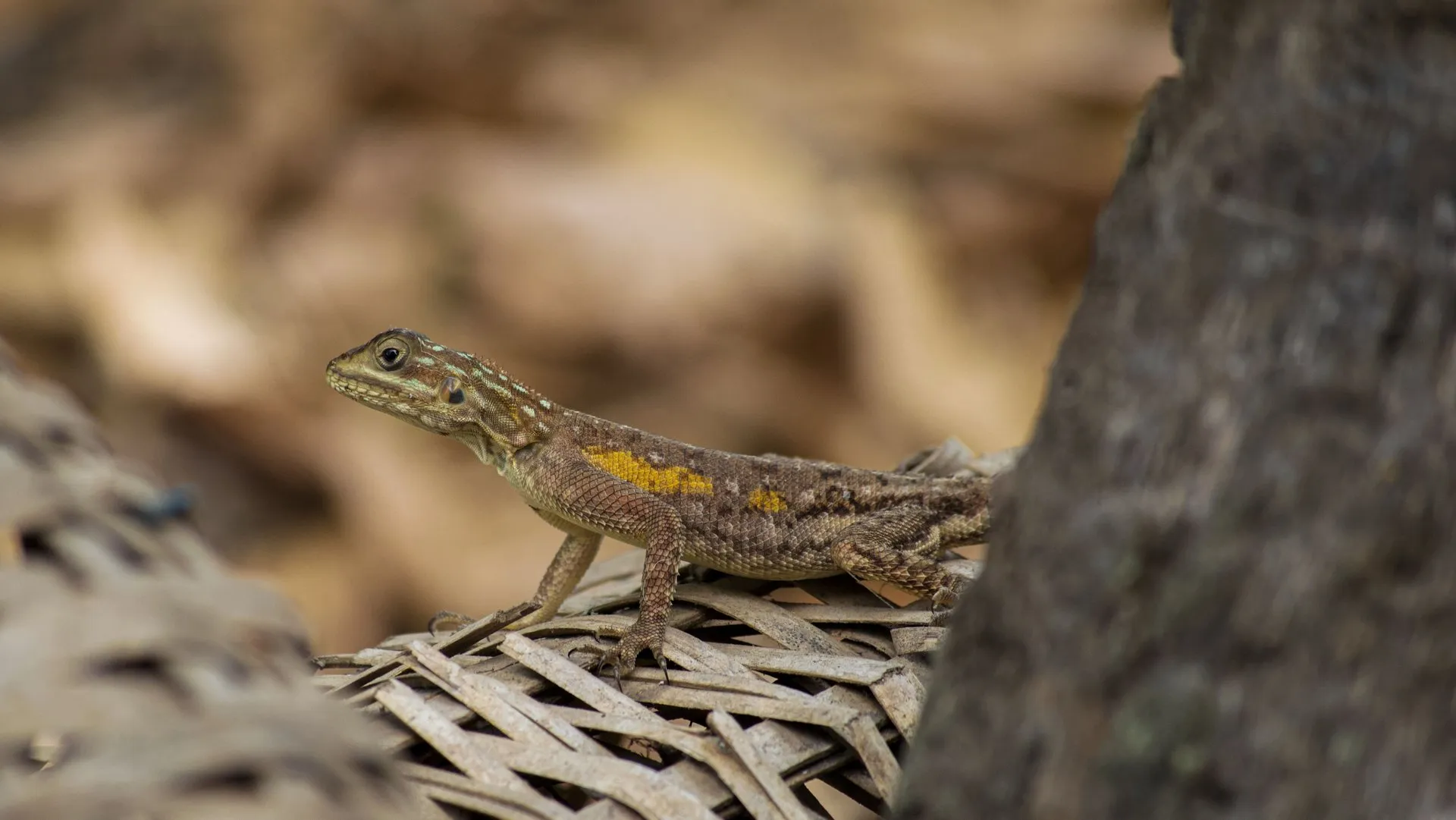
Watch for kingfishers perched on low branches, their electric blue plumage catching the last afternoon light. Monitor lizards slip from mudbanks into the river as the pirogue passes. The sound of the river at dusk is its own thing: frogs starting up, the distant sound of cooking fires, the occasional splash of something beneath the surface. You understand why Grand-Popo is called the Pearl of the Mono.
Living Vodun: spirituality woven into everyday life
Here, spirituality is not folklore for tourists. This is the most important thing to understand before you arrive.
Vodun is not "voodoo" in the Western sense of the word. It is a living ancestral religion with deep philosophical roots, practised by millions of people across West Africa and the African diaspora. In Grand-Popo, it shapes daily life in visible and invisible ways: the altar to Legba beside every compound gate, the offerings of palm oil and corn to Sakpata at the crossroads, the ceremonies that mark the turning of seasons and the passage of the dead. On 10 January, Vodun National Day transforms Grand-Popo into a sacred theatre where drums and songs invoke ancestral deities. Visitors are welcome to observe street processions respectfully: cover your shoulders, follow the lead of local observers, and ask before raising a camera. This is a living culture, powerful and deeply rooted.
Bouche du Roy: a UNESCO biosphere where river meets ocean
Where the Mono River meets the ocean, nature delivers a grand spectacle. Bouche du Roy, this UNESCO-classified Biosphere Reserve, shelters exceptional biodiversity: mangroves, manatees, sea turtles and hundreds of migratory bird species.
Manatees are present in the channels year-round, though morning hours between 6am and 9am offer the best chance of a sighting as they feed in the calmer shallows. Sea turtles nest on the Atlantic beaches from September through January; patient visitors who walk the shore after dark during this season may witness a nesting female or, if the timing is right, a clutch of hatchlings making their way to the water. A pirogue excursion through the lush channels is an unforgettable journey into the heart of wild, preserved Africa.
The food: grilled fish, sodabi and local markets
Grand-Popo's cuisine celebrates sea and land. Fish caught fresh in the morning is grilled on coals by evening: sea bream, captain fish, barracuda. Served with foutou (mashed plantain), attieke (cassava semolina) and spicy sauces.
At the Lion Bar, local cuisine reaches something close to refined heights: grilled barracuda arrives with a sauce built from local spices, and the terrace over the water makes eating feel like an event. For something more spontaneous, the Avlo market on weekend mornings is where women fry accra (black-eyed pea fritters) and beignets straight from the oil, crisp and sold in paper cones for a few hundred FCFA. Do not leave without tasting sodabi, the artisanal palm spirit that tastes different at every producer's house. A grilled fish dinner costs 3,000 to 5,000 FCFA (5 to 8 EUR).
Slow living: what it actually means at Grand-Popo
Grand-Popo is the slow-living capital of West Africa. No one checks their watch. But what does that actually look like?
It looks like a fisherman repairing his net on the sand while his young son uses the empty net pole as a climbing frame. It looks like the old man under the neem tree at the edge of the market who has been sitting there since morning, watching the street with the patience of someone who has nowhere to be. It looks like a meal that takes an hour and a half not because service is slow, but because nobody thought to rush it. Sitting on a mat facing the ocean with fresh fruit juice, watching the sky shift from blue to indigo, becomes the most valuable activity you can engage in. This rhythm is a balm for the soul tired of city noise.
Prices that make Grand-Popo accessible to every traveller
Travelling in Grand-Popo fits every budget. A delicious meal at a local eatery costs 2,000 to 4,000 FCFA (3 to 6 EUR). A night in a comfortable ecolodge starts at 25,000 FCFA (38 EUR). Zemidjans (motorbike taxis) carry you for a few hundred francs. Your money goes twice as far as in Europe, without compromising on quality or experience.
Beninese hospitality that feels genuine, not curated
Beninese people are known for their warm hospitality, and in Grand-Popo this welcome is even more genuine because tourism has not yet shaped it into a performance.
You might find yourself invited to pull up a stool at a family table because a woman noticed you standing alone at the edge of the market during mealtime. Or a vendor at the Avlo market who, after selling you a bag of cloves, spends ten minutes teaching you three words in Xwla, the local language of the fishing communities: the word for fish, the word for tomorrow, the word for thank you. These moments are not organised. Every smile is sincere, every conversation an open door into a rich, welcoming culture.
A cultural crossroads: Egungun, Agoudas and Xwla traditions
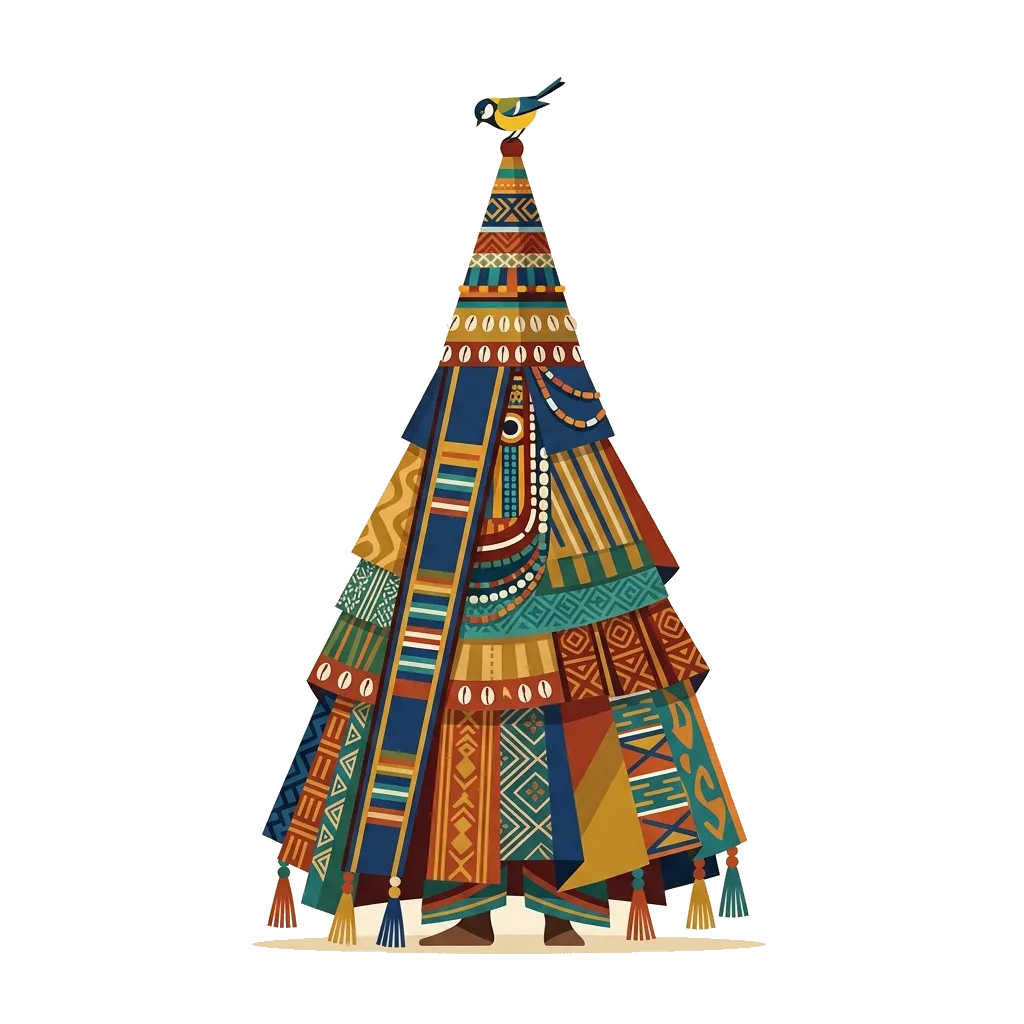
Grand-Popo is a cultural crossroads like no other. Egungun masks, Zangbeto guardians, Agoudas returned from Brazil, Xwla fishermen: each community adds to a cultural tapestry that has few parallels on the African coast.
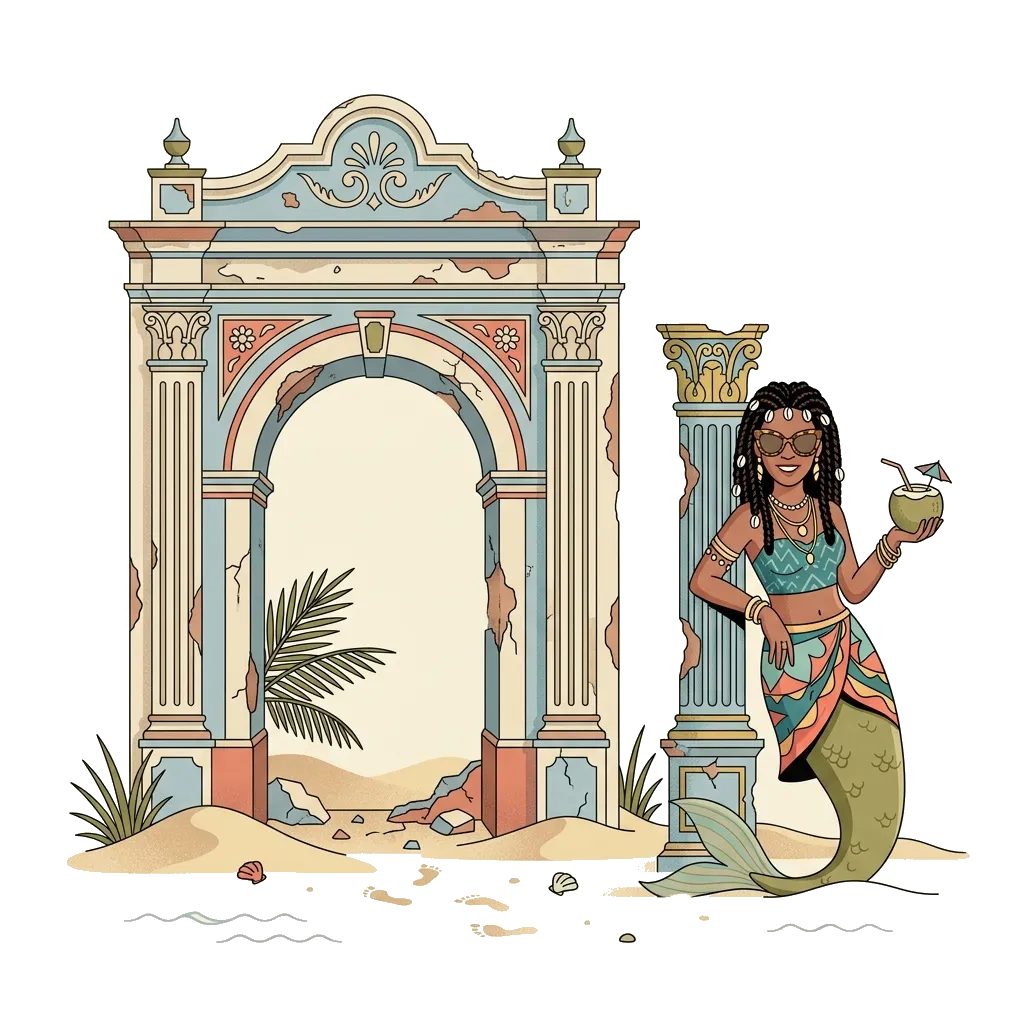
The Agoudas, descendants of freed Afro-Brazilian slaves who returned to Benin in the 19th century, left their mark on the architecture: the Sobrado-style townhouses with painted facades and wrought-iron balconies are still standing on the main streets, telling a story of displacement, survival and return. Bata drums, ceremonial dances, and the masked figures of Egungun appearing in the dry season streets: everything here tells a story of resistance, travel and rebirth. It is a living museum where every street holds a different chapter.
Easy to reach, rich to discover: Grand-Popo as a regional hub
Unlike other African destinations, Grand-Popo is easy to reach. Forty-five minutes from Cotonou, 1.5 hours from Lomé, it makes a natural stop for any traveller exploring Benin and Togo.
Most of the town is navigable on foot or by zemidjan, and the main sites do not require a guide. The beach, the market, the Agoudas quarter and the river mouth are all accessible independently. Where a guide genuinely adds value is in cultural contexts: ceremonies where a translator opens doors that would otherwise stay closed, or a pirogue excursion where a knowledgeable local can name the birds and explain the ecology of the mangrove channels. For pure exploration, you do not need one. For depth, a half-day with a local guide changes what you take home.
Adventure begins around a corner, on the river at dusk, or in front of a Vodun altar. Grand-Popo offers the perfect balance between discovery and accessibility.
These ten reasons are a starting point. Grand-Popo is lived, felt and breathed in person. If any of them resonates, the next step is simple: send a message on WhatsApp to plan your dates, or read our complete Grand-Popo guide to understand what a stay here actually looks like from arrival to departure.
Plan Your Visit
Discover the magic of Grand-Popo with our curated local experiences.