





Travelling in Grand-Popo is a peaceful experience, but common-sense precautions apply as with any destination. Here is everything you need to know for a worry-free stay. For an overview, read our complete Grand-Popo guide.
Is Grand-Popo a safe destination for travellers?
Grand-Popo is considered one of the safest destinations in Benin. Violent crime is very rare. The locals are welcoming and a strong community spirit maintains a climate of trust. As anywhere, vigilance is required, but you can walk around without excessive concern.
Compared with other West African cities, Grand-Popo feels genuinely low-key. Cotonou and Lomé carry the usual urban pressures of petty theft and traffic risk; Grand-Popo is a small coastal town where most people know their neighbours. Solo female travellers generally report feeling comfortable here, particularly when staying at an established lodge whose staff can advise on routes and evening plans. The key, as everywhere, is to avoid displaying valuables and to ask your accommodation for honest local advice rather than assuming the worst or ignoring caution entirely.
Benin as a country ranks consistently among the more politically stable nations in West Africa, with no significant civil unrest or terrorism threat on the coast. The southwest region, where Grand-Popo sits, is particularly quiet.
Day-to-day safety: beaches, streets and your belongings
A few simple rules make all the difference:
- On the beach: never leave valuables unattended. Even for a quick swim, entrust your belongings to a companion or leave them at your lodge.
- In the streets: put your phone and camera away after use. Pickpockets exist but are rarely aggressive.
- At night: avoid walking alone on isolated beaches after 10pm. Beaches are poorly lit and currents make swimming dangerous in the dark.
- Your documents: leave your passport in the lodge safe and carry a photocopy and a photo of the document on your phone.
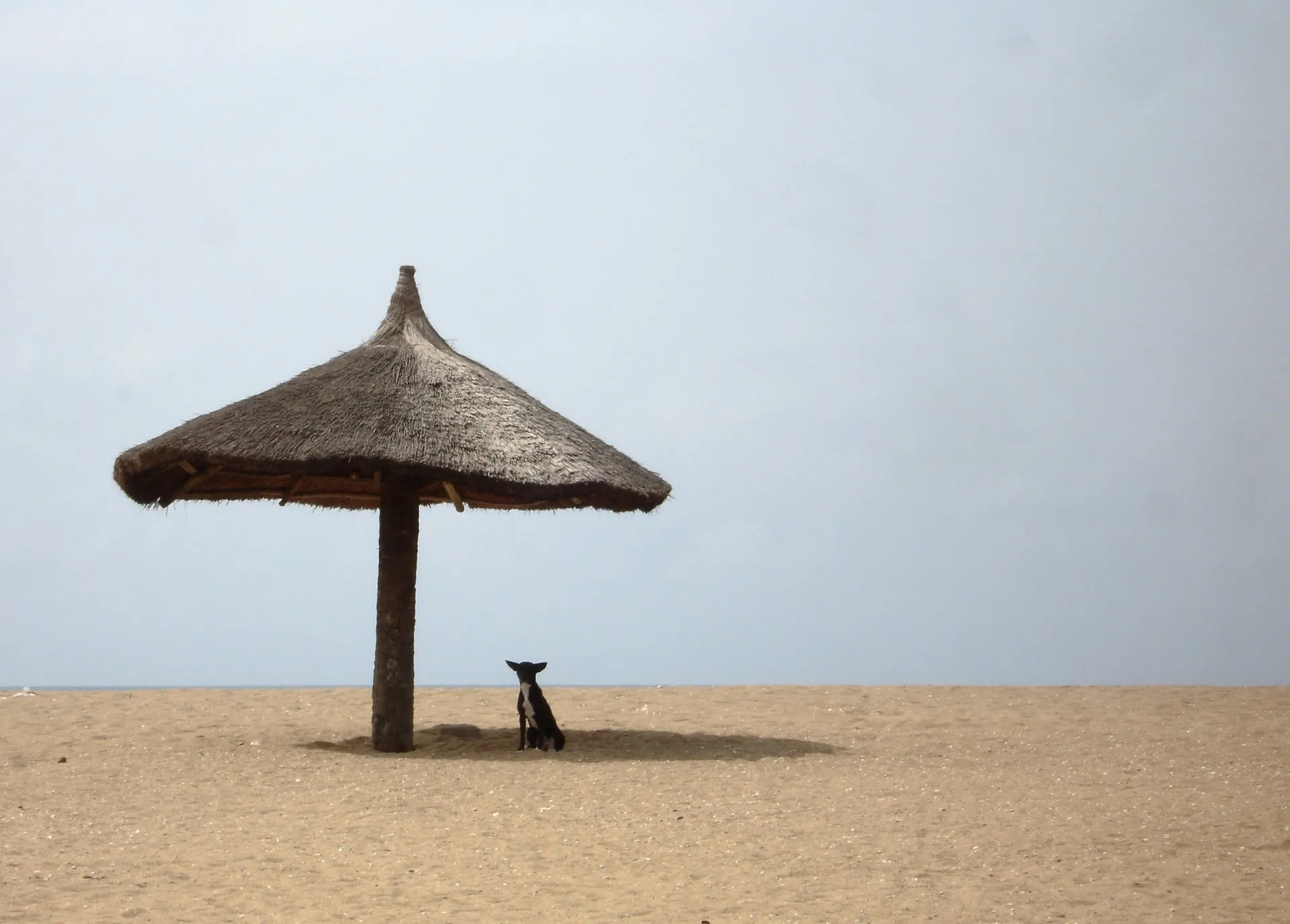
The beach itself is generally safe during daylight hours. What catches travellers off guard is how quickly the atmosphere changes after sunset: fewer people, no lighting and the constant sound of the ocean can mask your surroundings. Walking the beach at dusk for a sunset is a real pleasure; walking it alone at midnight is a different matter entirely.
Practical point: leave expensive jewellery at home. Not because Grand-Popo is dangerous, but because travelling lightly reduces stress and removes any incentive for opportunistic theft.
Health requirements: vaccines, malaria and local medical care
Before leaving, consult your doctor or a travel health centre at least four weeks before departure. Standard recommendations for Benin include:
| Vaccine | Recommendation |
|---|---|
| Yellow fever | Mandatory (certificate required on arrival) |
| Hepatitis A | Recommended |
| Typhoid | Recommended |
| Meningitis | Recommended |
| Rabies | Recommended (depending on itinerary) |
| Malaria | Preventive treatment strongly recommended |
Malaria: risk is present year-round. Consult a doctor for appropriate antimalarial treatment and start it before departure. Sleep under an impregnated mosquito net, use repellent containing DEET and wear covering clothing at sunset. Mosquito activity peaks in the hour after dusk.
Local medical care is limited but present. A pharmacy operates near the Avlo market and stocks basic antimalarials, rehydration salts and wound care supplies. For anything beyond minor ailments, the local health centre on the main road handles consultations and common illness treatment. Serious cases require transfer to Cotonou, roughly 2 hours away, where the Hôpital Saint-Jean-de-Dieu has better-equipped facilities. Medical evacuation coverage in your travel insurance is not optional here.
Ocean swimming: rip currents, safe zones and precautions
The Atlantic currents at Grand-Popo are powerful. The beach is beautiful, but swimming requires real caution.
Rip currents are common and can pull you out to sea quickly, even when the surface looks calm. The area near the Bouche du Roy mouth, where the Mono River empties into the Atlantic, carries the strongest and most unpredictable currents. The underwater topography shifts constantly at that confluence, and what looks flat from the shore can have powerful lateral pulls. Avoid swimming anywhere near a river mouth.
Safer options exist. Swimming in front of lodges where local fishermen work is a practical guideline: those men enter and exit that water every day and will tell you directly if conditions are wrong. The calmest months for swimming are December to March, when swell from the south is reduced and the morning sea is often almost flat before the wind picks up.
- Never swim alone, regardless of your swimming ability.
- Ask local fishermen about safe zones before entering the water.
- Protect your skin: the UV index is high year-round. SPF 50 sunscreen and a rash guard or t-shirt for extended water sessions are both useful.
- The Mono River offers gentler swimming conditions than the ocean, but still check depth and current direction with a guide before getting in.
Getting around Grand-Popo after dark
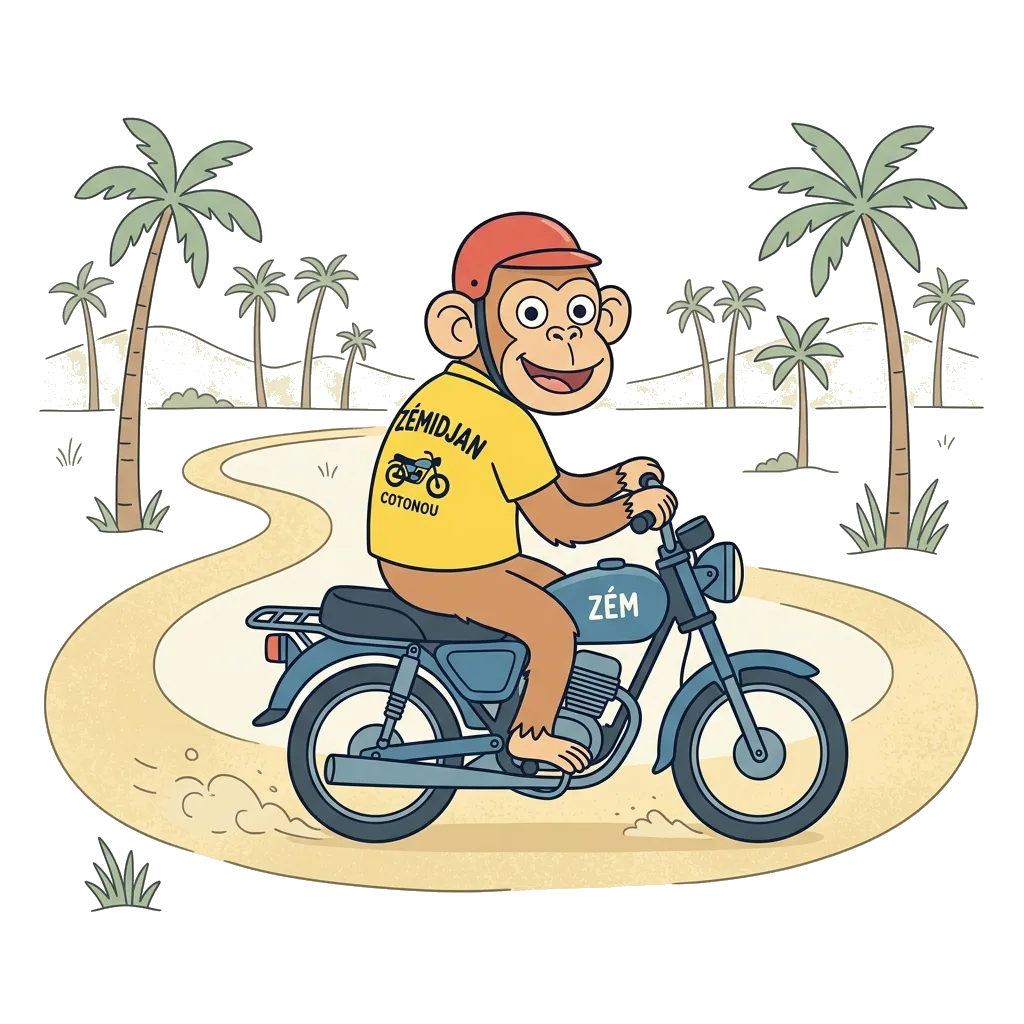
Zemidjans (motorbike taxis) generally stop operating around 8pm on routes outside the central area. After dark, they become riskier: drivers work longer shifts, roads are unlit and accident risk rises. After dark, use a private taxi recommended by your lodge. The difference in cost is small and the difference in safety is meaningful.
If you need to travel after 8pm:
- Use a private taxi called through your lodge rather than a street hail.
- Avoid walking on unlit roads, particularly the coastal tracks between lodges.
- Keep your phone charged and your lodge's number saved as a favourite.
- Let your accommodation know your expected return time when you go out for the evening.
Common tourist scams and how to avoid them
A few situations travellers may encounter:
- Fake guides: people present themselves as official guides and demand payment after an unsolicited tour. Only hire guides your accommodation recommends. Any guide worth hiring will not approach you uninvited on the street.
- Street exchange: strangers offer attractive exchange rates. Politely refuse. Use banks or change your money in Cotonou before arriving.
- Begging children: giving money to children encourages begging and creates difficult dynamics for the children themselves. If you want to help, find a local association and donate directly.
- "Authentic" crafts: some sellers offer masks and statuettes as antiques with significant age and spiritual value. Check real market prices at the Avlo market before buying anything described as rare or ancient.
- Fake excursion ticket sellers: individuals approach tourists near Lion Bar selling what they describe as "official" tickets for Bouche du Roy or Mono River excursions. These tickets are not official. Excursions are always arranged directly through lodges or verified local operators. If someone approaches you on the street with a printed ticket and a laminated badge, politely decline and walk away.
Emergency contacts and useful numbers in Benin
| Service | Number |
|---|---|
| Police | 117 |
| Fire brigade | 118 |
| SAMU | 112 |
| Saint-Jean-de-Dieu Hospital (Cotonou) | +229 21 30 10 14 |
| French Embassy (Cotonou) | +229 21 30 08 00 |
| Beninese Consulate in France | +33 1 43 06 60 78 |
Save these numbers before you arrive, not after a problem occurs. Mobile coverage in Grand-Popo is generally reliable through MTN and Moov, though it becomes patchy west of Lion Bar toward the Bouche du Roy area. A power bank is useful to ensure your phone is charged during full-day excursions.
Why travel insurance matters for a trip to Grand-Popo
We strongly recommend travel insurance covering medical evacuation and extended stays. Medical evacuation from Grand-Popo to Cotonou or Europe can reach several thousand euros without coverage. A private vehicle transfer to Cotonou at night alone, if needed urgently, can cost several hundred euros.
What standard policies typically cover: medical evacuation is included in most comprehensive plans. Extended hospital stays abroad are usually covered up to a policy limit. Trip cancellation and lost luggage are standard inclusions.
What to check carefully: adventure sports and water activities are not always included by default. If you plan to kitesurf, do pirogue excursions or swim in open water, confirm these are explicitly covered before you sign. Pre-existing medical conditions are frequently excluded unless declared and approved in advance. Read the exclusion clauses before you leave home, not when you are sitting in a waiting room.
FAQ
Is Grand-Popo dangerous? No. Crime is low and locals are welcoming. Basic precautions are sufficient for a comfortable stay. Benin's southwest coast is among the quietest areas in West Africa for travellers.
Can I swim at Grand-Popo? Yes, but with caution. Atlantic currents are powerful. Ask a local fisherman about safe zones before entering the water. The Mono River offers calmer swimming conditions.
What vaccines do I need for Grand-Popo? Yellow fever vaccine is mandatory and your certificate will be checked at the border. Hepatitis A, typhoid and malaria prevention are strongly recommended. Consult a doctor at least four weeks before departure.
Is there a malaria risk in Grand-Popo? Yes, the risk is present year-round. Preventive treatment, mosquito nets impregnated with permethrin and DEET repellent are all recommended in combination.
Is it safe to travel alone to Grand-Popo? Solo travel here is generally fine. Solo female travellers in particular report positive experiences when based at a lodge where staff know them. Take the same precautions you would in any unfamiliar place: stay connected, share your plans with someone, avoid isolated areas after dark and trust your instincts.
Are the beaches safe at night? No. The beaches are unlit, and Atlantic currents make accidental entry into the water dangerous after dark. After sunset, the beach is best enjoyed from a lodge terrace or a beachfront restaurant, not walked alone. Stay in lit public areas for any evening activity.
Plan Your Visit
Discover the magic of Grand-Popo with our curated local experiences.