





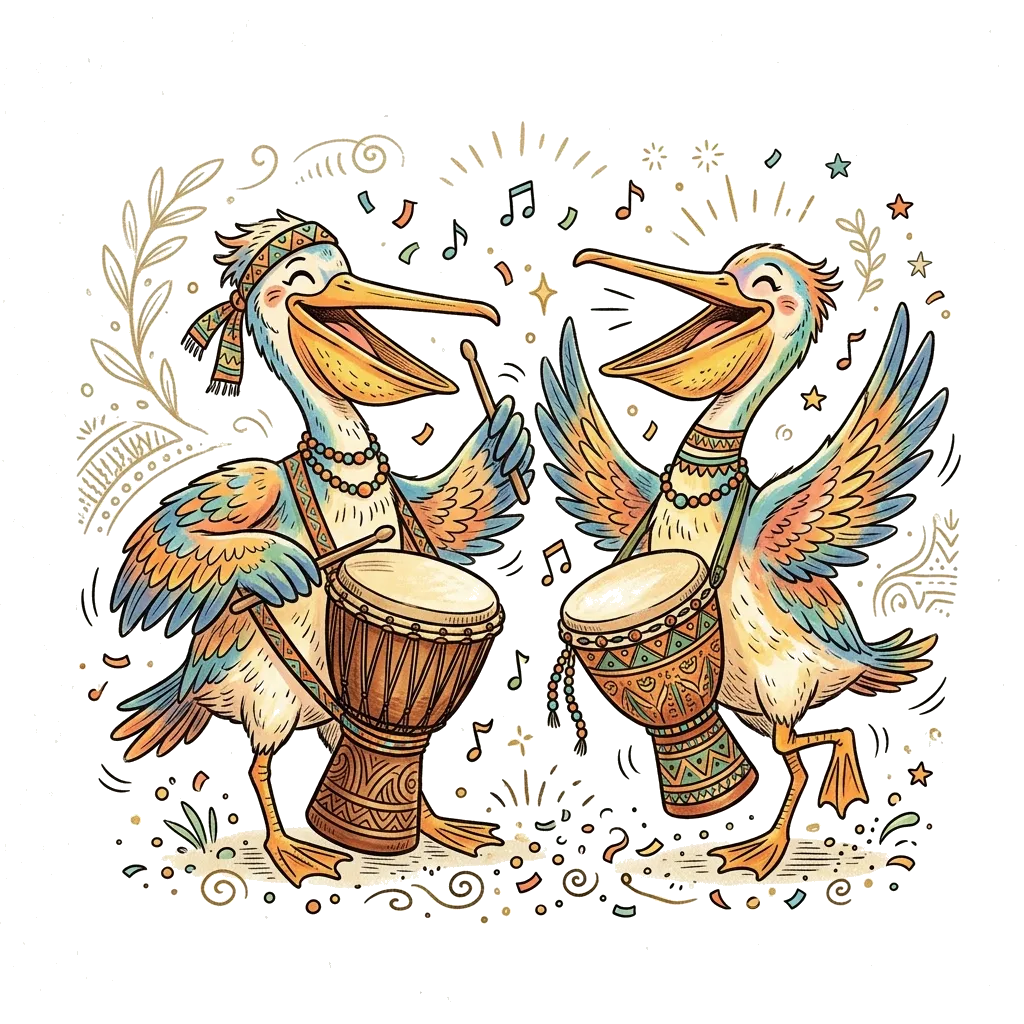
In Grand-Popo, music is never just a performance: it is a language, a prayer, a social bond. Drums resonate every week in the Vodun convents, dances accompany ceremonies and weddings, and evenings at Lion Bar see traditional rhythms meet contemporary sounds. Discovering the music dance Grand-Popo means entering the heart of Xwla identity and understanding how this coastal culture expresses its emotions, beliefs and joy of living. For the cultural context, read our culture and heritage guide.
What the drums say: rhythms of Grand-Popo
Grand-Popo's musical heritage draws its roots from the traditions of the Xwla people and neighboring Aja populations. Each rhythm has a precise function: Agbadja accompanies funerary ceremonies and major community festivals, Akofun marks collective work, and Kple is reserved for Vodun religious celebrations. These distinctions are not arbitrary. Playing the wrong rhythm at the wrong moment would be a serious offense.
Xwla music is characterized by complex polyrhythms where several drums play complementary patterns. The master drum, called "gbolu", leads the ensemble and improvises variations that the other percussion instruments follow. Dancers respond to the drums with coded movements, creating a dialogue between music and body where neither can stop alone.
Songs in the Xwla language tell stories: exploits of ancestors, lessons of wisdom, praise of deities or social satire. Women play an essential role in the choruses, responding to the soloist's chant in a call-and-response structure characteristic of West African music.
Rarely heard outside Grand-Popo: some Xwla songs are community news bulletins. They report recent village events, name families, describe catches, recount births. Music as living collective memory, updated in real time.
Local materials, universal sounds: traditional instruments
Traditional musical instruments in Grand-Popo are made from local materials. No imports, no replacements: each instrument is carved, stretched or cast from what the surrounding nature produces.
The drum is the king instrument, available in several sizes and shapes:
- The large Egungun drum, covered with doe skin, produces a deep, powerful sound that carries far into the night.
- The small hand drum serves for livelier rhythms and griot improvisations.
- The gankogui, a wrought-iron bell, marks the fundamental pulses with implacable regularity.
The balafon, an instrument with wooden keys from the broussonnetia tree, is played by griots to accompany epic narratives. Its clear notes carry far, and its construction is a skill preserved by a few families in the region. The calabashes suspended beneath each key serve as natural resonators, amplifying the sound without electricity.
Wrought-iron bells mark the fundamental pulses. Calabash rattles, covered with a net of beads, add a shimmering sound texture to ensembles. The sanza (thumb piano) is an intimate instrument used for evening gatherings and meditations. It is played alone or to put children to sleep.
Every mask has its dance: ceremonial dances
The dances of Grand-Popo are inseparable from the music. Every mask has its dance, every ceremony its choreography. No improvisation: the sequences are transmitted and learned during long initiations.
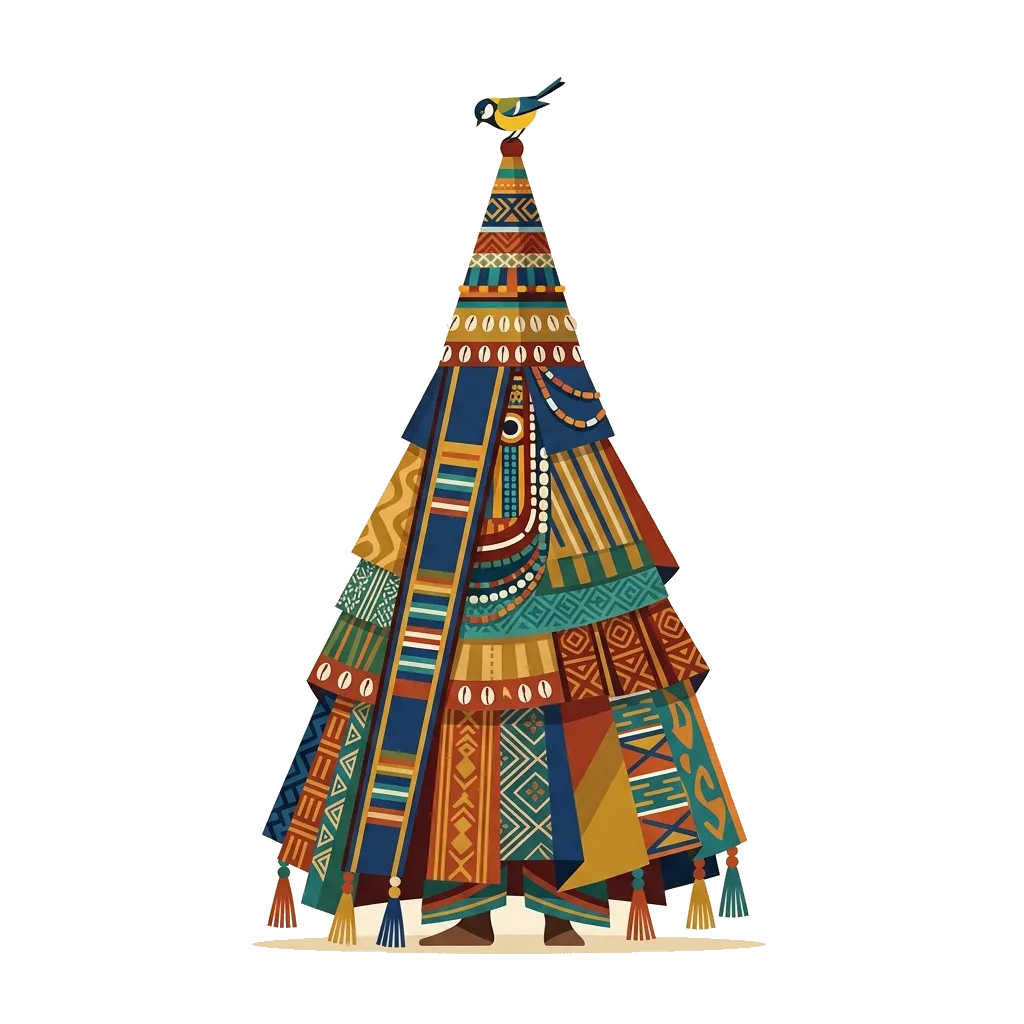
The Egungun dance is a whirlwind of colors and sweeping movements, where the mask embodies the spirit of an ancestor returned among the living. The spinning of the multicolored costume creates a hypnotic visual effect. Hundreds of fabric strips take flight like so many lives.
The Zangbeto, guardians of the night, dance in their straw costumes with jerky, almost mechanical movements that imitate perpetual vigilance.
The Agbadja dance is more collective and festive. Men and women form a circle, steps following the drum pulsations in a hypnotic progression. Dancers enter one by one into the center to improvise, greeted by cheers from the crowd. This is the only dance where individual personality can express itself freely.
Vodun dances are the most sacred. Initiates enter trance, possessed by the invoked deity. Each deity has its specific gestures, steps and expressions. Attending these dances is a privilege, always done with respect and discretion.
The sound of the gods: Vodun music
The music dance Grand-Popo is deeply linked to Vodun. In the convents, sacred drums come out only for ceremonies. They have their own space, their own guardian, their own days. One does not touch them out of curiosity.
Vodun rhythms are coded and learned during long initiations. They do not vary: transmission is rigorous because every note honors a specific deity. The slightest rhythmic error can be interpreted as disrespect toward the invoked spirit.
Ceremonies begin with bell calls, then the drums enter progressively. Songs invoke the deities: Hevioso for thunder, Dan for the rainbow serpent, Mami Wata for the waters. Dancers, often initiated women, wear ornaments specific to each spirit.
Attending a Vodun ceremony is possible, always through a local guide and only if the priests give their consent. Never photograph without authorization. These moments are not spectacles: they are living religious acts.
When traditions plug in: the contemporary scene
Traditional Grand-Popo music does not only live in ceremonies. Contemporary artists reinterpret it and distribute it through modern media, building bridges between two sonic worlds.
Local groups blend Xwla rhythms with afrobeat, reggae and jazz influences. The group Les Voix du Mono, formed by musicians from Grand-Popo and Come, offers a repertoire that reworks traditional fishing songs with modern arrangements. These arrangements do not betray the original: they give it a new life.
Villa Karo hosts musicians in residence, fostering encounters between Finnish and Beninese artists. Albums are recorded, collaborations born. Grand-Popo's music scene, still confidential, is buzzing with energy. DJ sets are regularly organized on the beach, mixing electronic music with samples of Xwla percussion.
Where to hear music
For authentic traditional music, go to the villages: in Adjaha and Gbakpodji, ceremonies punctuate community life. On full moon nights, storytelling and song evenings are sometimes organized around campfires.
For a more accessible musical experience, Lion Bar offers live concerts on weekends, facing the sea, in a relaxed atmosphere. Expect 2,000 to 5,000 FCFA (EUR 3 to 7.60) per drink.
Villa Karo organizes regular cultural events, with the calendar available at reception. Open-air concerts in the garden, sometimes by candlelight.
Avlo community radio broadcasts traditional music every morning from 6 am to 8 am. A good way to discover the sounds of Grand-Popo from your lodge before even getting out of bed.
Festivals
The most important festival is the Vodun Festival on January 10, which leads to celebrations throughout the commune. Convents open their doors, dances and music animate the streets. It is the ideal moment to discover the richness of the music dance Grand-Popo.
The Adjaha fishing festival in December combines pirogue competitions, concerts and traditional dances. Less well known than the Vodun Festival, this event is nonetheless a moment of great authenticity, blending Xwla culture with a festive atmosphere. Competitors from neighboring villages arriving by pirogue at sunrise, the songs of women on the riverbank: a living tableau unlike any other.
Plan Your Visit
Discover the magic of Grand-Popo with our curated local experiences.