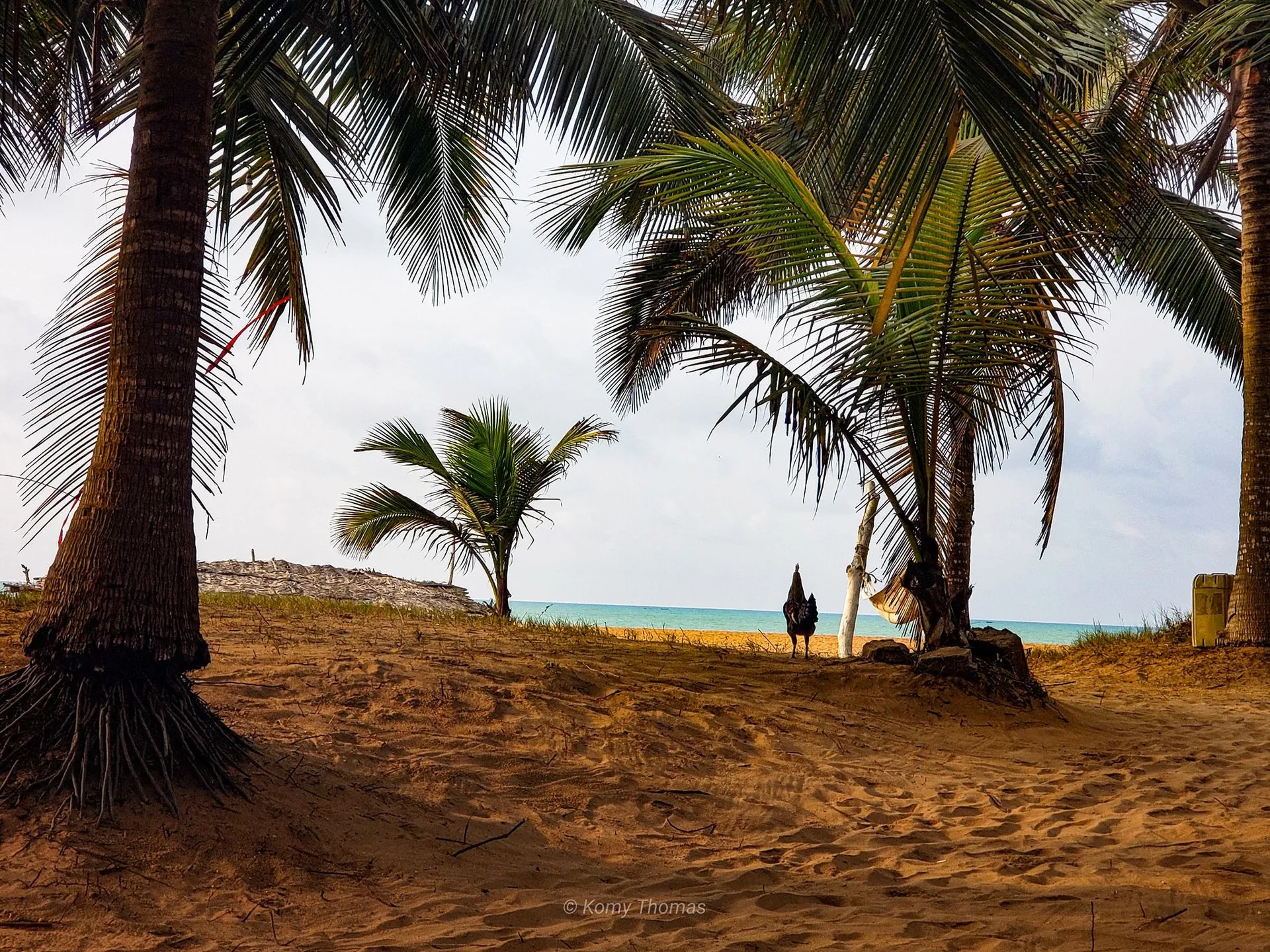




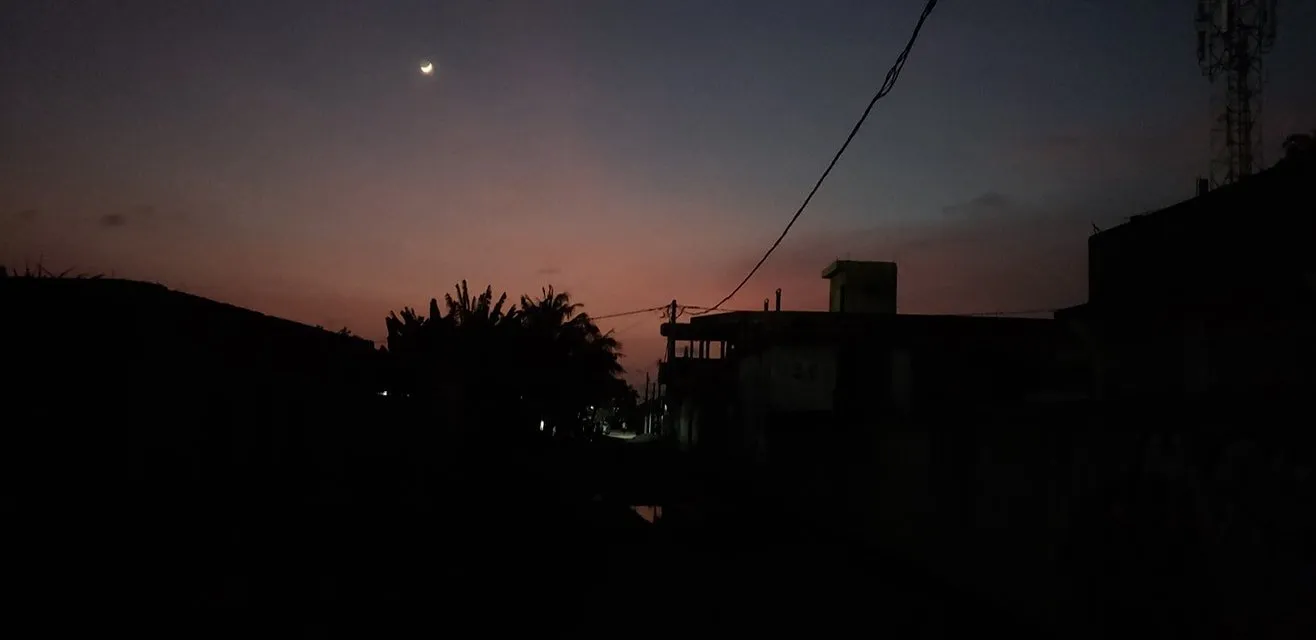
For travelers seeking simplicity and raw contact with nature, camping in Grand-Popo is an option worth exploring. Sleeping under the stars, lulled by waves or the Mono River frog chorus, waking to the sun rising over the Atlantic: the experience is unique and deeply rooted in the spirit of adventure.
Grand-Popo camping remains a relatively undeveloped practice, but possibilities exist for those who know where to look. From prepared grounds near the beach to comfortable glamping in a coconut grove, and wild camping for the more adventurous, each option offers a different relationship with the land and nature. To place camping within the full accommodation landscape, our complete guide to where to stay in Grand-Popo presents all possibilities. To understand the exceptional environment around you, discover nature and ecotourism in Grand-Popo.
Camping in Grand-Popo: a nature experience unlike any other
Camping in Grand-Popo attracts a specific crowd: zen backpackers, long-term travelers, adventure-seeking families, surfers wanting to stay close to the waves. What the area lacks in infrastructure it more than compensates for in setting quality and generosity of encounters.
The ideal season for camping is the dry season, November to March. Nights are cool and pleasant, days sunny without being oppressive. The sky at night is genuinely spectacular here — no light pollution for miles, the Milky Way a clear ribbon from horizon to horizon.
In the rainy season (April to October), camping is more unpredictable: downpours can be heavy and turn your pitch into a puddle. If you choose this season, ensure you have good waterproof gear and an elevated spot at least a meter above the flood line.
The camping experience in Grand-Popo is above all about proximity to the elements. Waking to coconut palm rustling, drinking coffee facing the ocean, falling asleep under a star-filled sky without any light pollution. It is also the freedom to change location on a whim, following the wind, the light, the mood of the day. There is a particular quality to mornings here — the light arrives fast and golden, and within twenty minutes of sunrise the beach is already warm underfoot.
Organized camping and accommodations: the practical options
Organized camping in Grand-Popo does not yet exist as dedicated grounds with marked pitches and facilities. However, several ecolodges and private properties welcome campers on their land with access to installations.
Village Kirikou is the most popular option for campers. This eco-village tucked in a coconut grove offers open space to pitch your tent, with access to facilities, showers, and a communal kitchen. The paths between the coconut trunks are sandy and soft underfoot. Breakfast can be added for 2,000 FCFA (3 EUR). Hammocks strung between coconut trees add extra comfort for afternoon downtime. Camping rate: 5,000 FCFA (8 EUR) per person per night.
Awale Plage accepts campers on its grounds in low season, with access to facilities and the private beach. The setting is magnificent, but space is limited and advance booking is essential. Rate: 8,000 to 12,000 FCFA (12 to 18 EUR) per person depending on season.
Some private individuals also offer a corner of garden for pitching a tent, especially in beachside neighborhoods. Word of mouth and recommendations from guesthouse hosts are the best way to find these informal addresses. A polite inquiry in the right direction rarely goes unrewarded.
For those who prefer a roof and a bed, Grand-Popo guesthouses offer the ideal compromise between budget and comfort.
Wild camping: what you need to know
Wild camping in Grand-Popo is possible but governed by unwritten rules worth knowing. Pitching your tent just anywhere is discouraged for safety and environmental reasons.
The beach is the most tempting spot, but several constraints apply. Tides sometimes rise higher than expected, crabs and other nocturnal creatures are curious, and wind can be strong. If you choose the beach, set up high on the dune, away from the high-tide line. Do not disturb dune vegetation, which protects the coastline from erosion.
The Mono River banks offer sheltered, picturesque spots. The proximity to fresh water is an advantage, but mosquitoes are more plentiful here than anywhere else. An impregnable mosquito net is essential. Evenings by the river have a particular beauty — the water goes bronze at sunset, then dark, and the sound shifts to frogs and night birds.
The coconut palm forest bordering the beach is the best compromise: shade by day, wind shelter by night, sandy soil that drains well. But these plots are often private. Always ask the owner's permission before settling in. A small gesture (500 to 1,000 FCFA, or 0.80 to 1.50 EUR) is appreciated and smooths things over.
In all cases, follow the golden rule of wild camping: leave no trace. Pack out your waste, do not cut green wood for fires, keep noise down late at night. You are a guest on this land.
Equipment to bring: what the tropics demand
Grand-Popo's tropical climate demands appropriate gear. Here is what we recommend for a successful camping stay:
A tent with a waterproof rainfly is essential, even in dry season. Condensation is heavy in the tropics, and a shower can strike anytime. A thick groundsheet is recommended to insulate from ground moisture.
A light sleeping bag (sheet-type) is sufficient most of the time. Nights are never very cool. A cotton blanket can replace a sleeping bag for most of the year.
A mosquito net is essential. Mosquitoes are present year-round, especially near the river and wetlands. Some carry malaria. Do not skip this equipment under any circumstances.
A headlamp or flashlight is useful, as power may be cut in the evening and streets are not lit everywhere.
A camping stove is recommended if you want to cook. Dead wood is available, but building a fire takes practice and may be banned in dry season.
Do not forget sun protection: SPF 50 sunscreen, wide-brimmed hat, sunglasses. The sun is powerful even in shade, and at the beach the reflected glare doubles its intensity.
Rehydration salts are worth packing. The combination of heat, humidity, and physical activity can drain you faster than you expect. A small first-aid kit rounded out with antidiarrheal tablets and antiseptic is sensible for any outdoor stay.
Safety tips: common sense under tropical conditions
Safety is an important aspect of camping in Grand-Popo. Overall, the region is safe and locals are welcoming, but some commonsense precautions apply.
Never leave valuables unattended. Even on the beach, do not take your eyes off your bag when swimming. A lock for your tent is a wise investment.
Ask locals about areas to avoid. Some isolated beach sectors may be frequented at night by unsavory groups. Fishermen and hosts know the terrain well: listen to their advice. They will tell you directly and without fuss.
During thunderstorms, do not stay under an isolated tree or on the beach. Coconut palms attract lightning in particular. Head for solid shelter at the first signs of a storm — they can build and break faster than you expect on this coast.
Drinking water is a crucial concern. Do not drink tap water. Always carry bottled water or a purification system (tablets, filter). Dehydration comes on fast in the tropics.
Finally, always tell someone reliable your location. Share GPS coordinates or a landmark with your contact. Phone coverage is not continuous everywhere.
For those who prefer more secure accommodation, Grand-Popo hotels offer comfort without compromising on safety.
Glamping: the chic alternative for nature lovers
Glamping (glamorous camping) is emerging in Grand-Popo, excellent news for nature lovers who do not want to sacrifice comfort. Several ecolodges offer safari tents equipped with real beds, quality bedding, panoramic mosquito nets, and sometimes an outdoor private bathroom.
The experience combines the best of both worlds: nature immersion with hotel comfort. You sleep under canvas listening to the night sounds but shower with hot water in the morning. You have breakfast facing nature, but at a real table with real dishes.
Village Kirikou offers glamping tents in its coconut grove, with beds, mosquito nets, and facility access. Expect 15,000 to 20,000 FCFA (23 to 30 EUR) per night for this option. It is a strong choice for travelers who want to feel the outdoors without managing gear.
For those seeking the ultimate comfort in nature, Grand-Popo ecolodges set the standard.
Camping budget
Camping is the cheapest accommodation option in Grand-Popo.
| Type | Price FCFA/person/night | Price EUR/person/night |
|---|---|---|
| Organized camping (ground + facilities) | 5,000-12,000 | 8-18 |
| Glamping (equipped tent) | 15,000-25,000 | 23-38 |
| Wild camping (permission) | 500-1,000 | 0.80-1.50 |
| Breakfast supplement | 2,000-3,000 | 3-5 |
| Tent + gear rental (if available) | 3,000-5,000 | 5-8 |
Add to these costs the purchase or rental of personal equipment and food. A daily budget of 10,000 to 15,000 FCFA (15 to 23 EUR) per person is enough for camping, eating, and getting around.
For a full trip budget estimate, see our Grand-Popo travel budget guide.
FAQ
Can you camp directly on the beach? Yes, but with precautions: set up high on the dune, away from the high-tide line, and ask permission if the land is private.
Is wild camping allowed? It is tolerated but not recommended for safety reasons. Favor organized grounds or ask owners for permission.
What equipment is essential? Waterproof tent, mosquito net, headlamp, sun protection, drinking water. A camping stove is recommended if you want to cook.
Is theft a risk? The risk exists as anywhere. Do not leave valuables unattended and use a lock for your tent.
What is the best camping season? The dry season (November to March) offers the best conditions: cool nights, sunny days, little rain.
Can you rent camping gear locally? Some accommodations offer tent and equipment rental. Ask at the time of booking.
Plan Your Visit
Discover the magic of Grand-Popo with our curated local experiences.