


Grand-Popo stretches about 15 kilometres along the coast, between the Atlantic Ocean and the Mono River. Unlike large beach resorts, the town does not have a single centre but a constellation of neighbourhoods each with its own distinct character and pace. Understanding this Grand-Popo map helps you choose where to stay, where to eat and how to organise your days. This guide gives you the essential landmarks to navigate the town with ease, even without an internet connection or GPS signal.
Grand-Popo's geography: a narrow strip between ocean and river
The commune of Grand-Popo covers roughly 289 square kilometres and has a population of about 60,000. Its narrow territory runs between the ocean and the Mono River, which forms the natural border with Togo. The historic town, inherited from Portuguese and French colonial trading posts, stretches along the old national road, while newer tourism developments cluster near the shore.
The Grand-Popo map divides into three parallel bands: the waterfront with beaches and lodges, the central urban band with shops and services, and the river zone with fishing villages and mangroves. These three bands are narrow enough that you can cross from ocean to river on foot in about 20 minutes at the widest point.
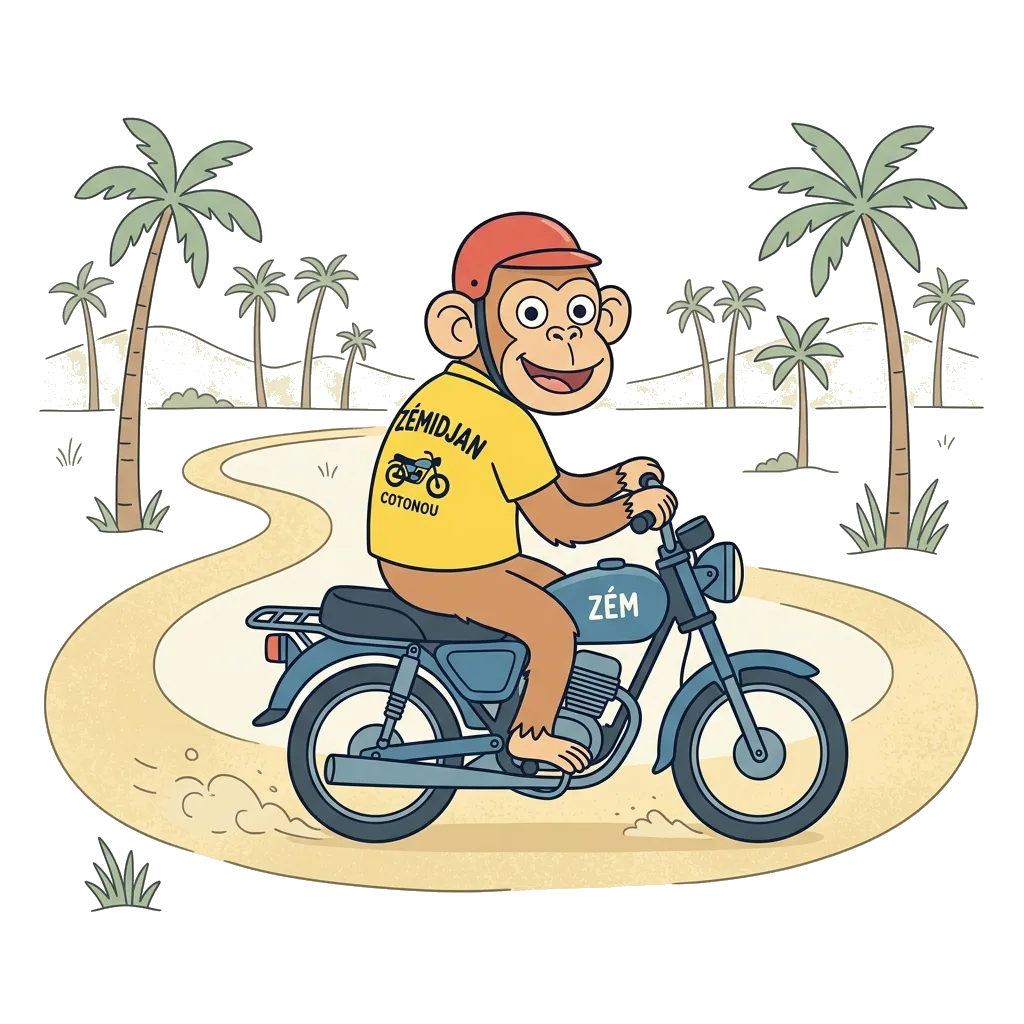
The main transport arteries are the RNIE1, which crosses the town from southeast to northwest toward Togo, and the coastal road connecting the beaches to accommodations. A zemidjan (motorbike taxi) for 200 to 300 FCFA (0.30 to 0.46 EUR) per trip in town remains the most practical way to get between neighbourhoods. Bicycle rental from waterfront lodges costs 3,000 to 5,000 FCFA per day and gives you full freedom to explore at your own pace.
Grand-Popo's main neighborhoods and what to find in each
Avlo is Grand-Popo's central, busiest area. Here you find the main market, the only ATM in town (on the main road near the petrol station, about two minutes' walk from the market), banks, petrol stations and most shops. The town hall and police station are also located here, making Avlo the natural reference point for orientation. The police station is recognisable by its blue gate on the north side of the main road. The market is active daily, with produce, fabrics, dried fish and local crafts spread across stalls that spill into the surrounding streets on busy mornings. If you get lost anywhere in Grand-Popo, asking for Avlo market puts you back on track within minutes.
Gbakpodji extends west of Avlo, closer to the Mono River. This residential and agricultural area is crisscrossed by canals and palm trees. Ecolodges are springing up along the riverbanks, offering a peaceful setting for nature-seeking travellers and those who want to fall asleep to the sound of frogs rather than ocean swell. The dirt tracks leading to the water are best navigated by foot or bicycle. Look for the wooden pirogue racks near the water's edge as your cue that you have reached the right area. The main pirogue landing stage for Mono River excursions is at the western end of Gbakpodji.
Adjaha is the last village before the Togolese border, roughly 10 kilometres west of Avlo, and the gateway to Bouche du Roy. Its protected area attracts birdwatchers and pirogue excursion enthusiasts who want a longer, more immersive experience than a quick river trip from Gbakpodji. Life here is governed by fishing and the tides. The gendarmerie post is visible from the RNIE1 at the junction leading toward the coast. The village has no formal tourism infrastructure, so arrive with a confirmed guide contact and a clear plan for the day.
Heve lies to the east, toward Cotonou, roughly 5 to 6 kilometres from the market. Less visited by tourists, this area contains traditional homes, oil palm plantations and a small Friday market that animates the neighbourhood for a few morning hours. Visitors are rare here, which makes it a good option for anyone seeking genuine immersion without any expectation of tourist infrastructure.
The waterfront: beaches, lodges and daily life by the ocean
Grand-Popo's waterfront stretches nearly 15 kilometres, from Bouche du Roy beach in the west to the edges of Heve in the east. Unlike developed beaches elsewhere, access here is free and coconut palms grow right up to the sand. Most accommodations are concentrated along this coastal strip, particularly around Lion Bar, which sits roughly 2 to 3 kilometres west of the Avlo town centre.
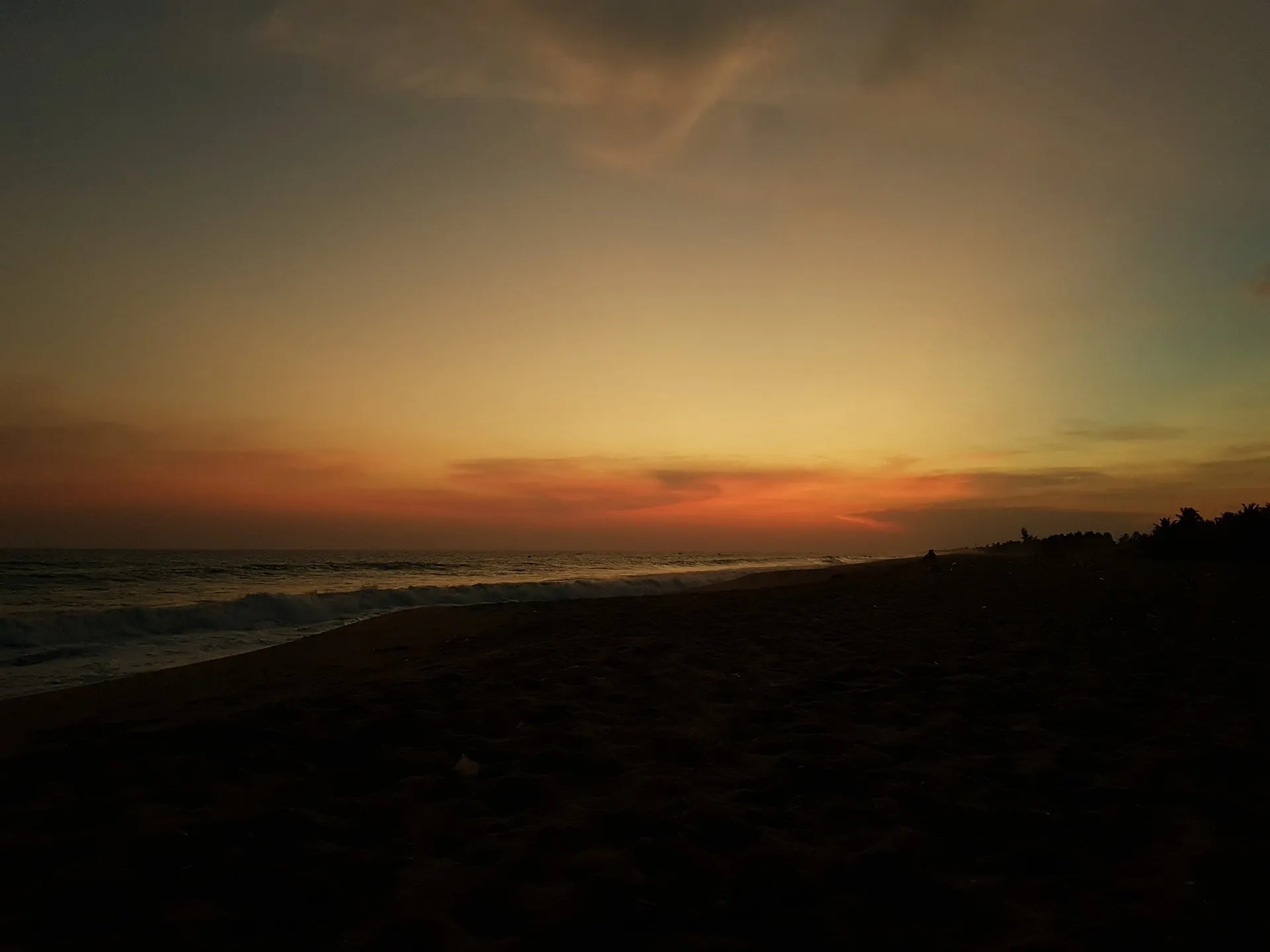
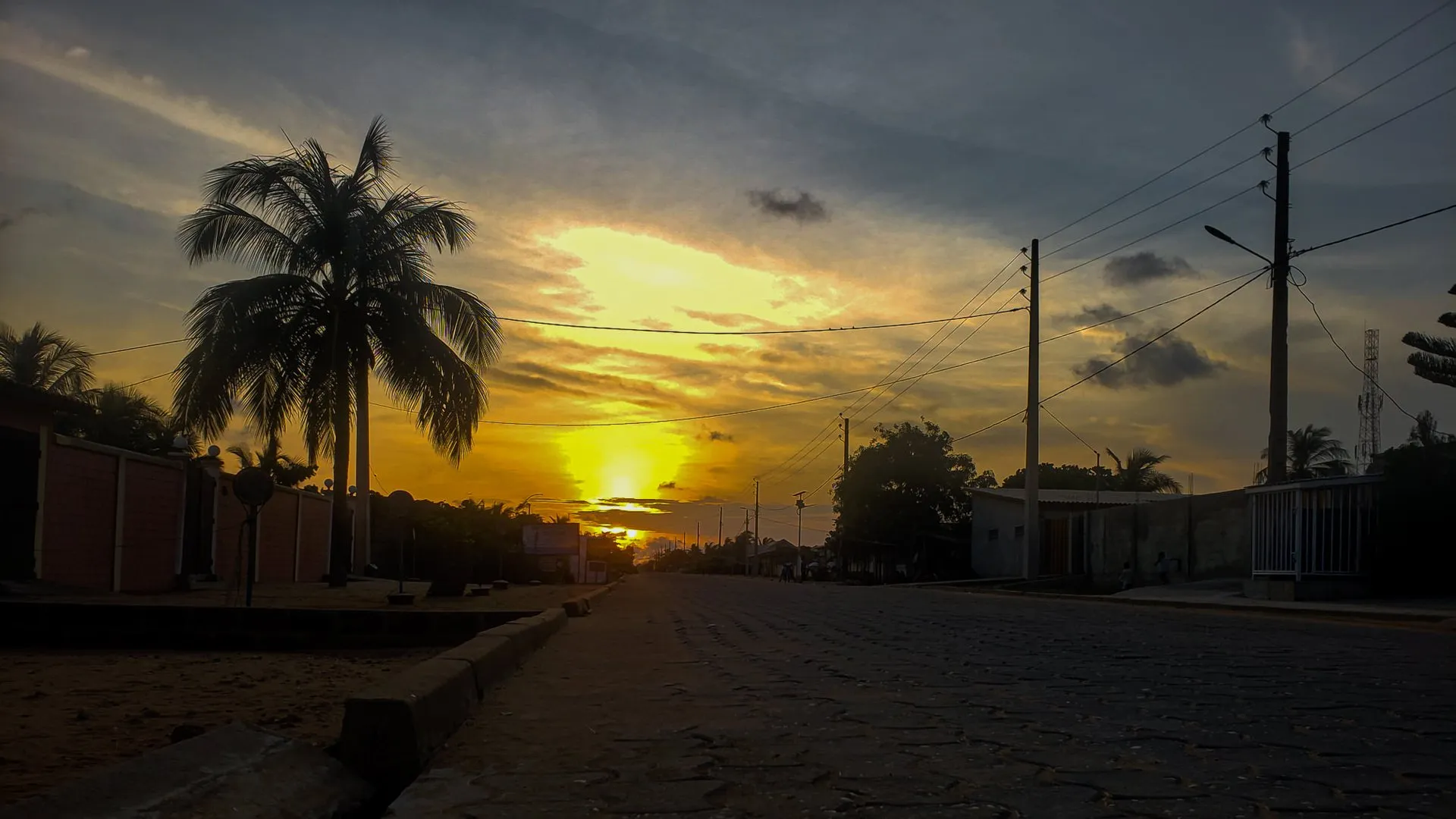
The rhythm of the waterfront changes hour by hour. At 6am, fishermen sort their catch on the sand in front of the lodges, pulling nets and loading fish into baskets while the sky is still pink. By mid-morning, the beach is quiet and the sea shimmers under flat light. Afternoons bring the kitesurfers when the wind picks up. As the sun drops toward the horizon, the sky above the Atlantic shifts through orange and deep red. Fishing boats head out for the night, their oil lamps visible from the beach like floating stars. Groups gather at Lion Bar for cold drinks and conversation, while further along the sand, the quieter lodges have deck chairs facing west.
Waterfront accommodation prices range from 15,000 to 80,000 FCFA (23 to 122 EUR) per night, depending on the standard. The coastal road, partially paved, allows cycling or zemidjan travel between lodges throughout the day.
The Mono river area: pirogue excursions and fishing villages
The Mono River forms the backbone of Grand-Popo's ecosystem. Its banks shelter fishing villages, banana and oil palm plantations, and dense mangroves that provide habitat for kingfishers, monitor lizards and migratory waders. The area is accessible via tracks branching off the RNIE1 toward the north.
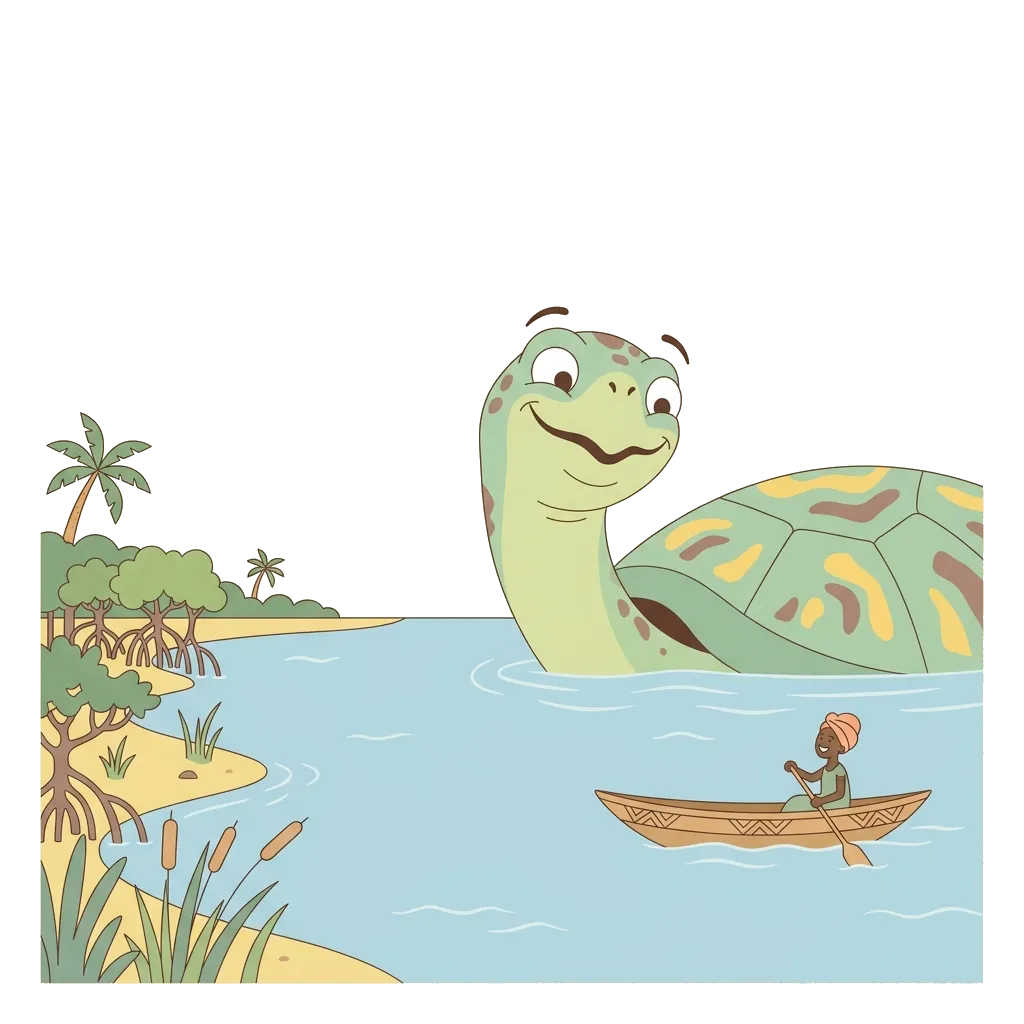
Pirogue excursions, organised by local fishermen, allow you to discover the river's richness for 5,000 to 10,000 FCFA (8 to 15 EUR) per person. Book the evening before to secure a spot, particularly in high season. Early morning departures between 6am and 8am reveal the most wildlife: kingfishers dart between the mangrove roots, women paddle out to check their fish traps and the golden light on the water is unlike anything you find later in the day. By 10am, the heat flattens the river and the birds retreat.
The riverside neighbourhoods of Gbakpodji and the outer edges of Bouche du Roy offer a striking contrast to the touristy waterfront. Here, pirogues replace cars and stilt houses line the canal edges. Fishing supplies fresh catch to the town's restaurants daily, and watching this supply chain in action from a pirogue gives you a vivid sense of how connected the river and the kitchen table really are.
Cultural sites worth visiting in Grand-Popo
The Grand-Popo map includes several essential cultural sites that reward a closer look.
Villa Karo, a Finnish artist residency housed in a restored former colonial home built in 1910, hosts exhibitions, residencies and cultural events open to visitors year-round. Check the programme board at the reception desk on arrival, as events are not always announced online. The building itself, with its wide verandas and thick whitewashed walls, is worth seeing regardless of what is showing.
The Sobrado houses in the historic quarter tell the story of the Agoudas, descendants of former slaves who returned from Brazil in the 19th century. These two or three storey buildings with symmetrical facades, painted shutters and wrought-iron balconies are best understood with a guide who can explain the specific families involved and point out the design details that distinguish African craftsmanship from Brazilian baroque influences.
Vodun convents are present throughout the town, identifiable by their bamboo fencing, painted totems and sacred objects planted in front of compound entrances. Do not enter or photograph these spaces without explicit permission from the resident priest. A polite greeting at the entrance and a willingness to wait are always the right first steps.
The local museum, near the Avlo town hall, displays collections of traditional Xwla objects, fishing tools and historical photographs. Opening hours are roughly 9am to 5pm on weekdays, with a midday pause. Entry is free; a donation of 1,000 FCFA (1.50 EUR) is appreciated and effectively pays the salary of the sole attendant who maintains the collection.
Grand-Popo's beaches: atmosphere, access and swimming safety
Grand-Popo has several beaches with distinct personalities.
Lion Bar beach is the most frequented: deck chairs, sunset cocktails and a social atmosphere in the late afternoon. It is the right choice for your first evening, when you want somewhere with activity and easy food options.
Further west, Bouche du Roy beach offers kilometres of deserted sand where the only sounds are waves and birds. It is best reached by pirogue from the Gbakpodji landing stage, a 20-minute ride across the lagoon costing 2,000 to 3,000 FCFA per person. Walking from Avlo takes roughly 2.5 hours along the sand.
To the east, Heve's beaches are nearly virgin, visited only by local fishermen going about their daily work.
Bouche du Roy beach sits at the exact point where the Mono River spills into the Atlantic, about 12 kilometres west of Avlo. The meeting of river current and ocean swell creates a dramatic landscape: churning water, shifting sandbars and an almost unreal sense of remoteness. Birdwatching here is exceptional, with migratory species passing through in large numbers between October and March. Sea turtles nest on this stretch of sand from September onward. The sandbars shift with every tide, so even a beach you visited the week before may look different on your return.
Each beach has its own microclimate due to currents and proximity to the river. Those most exposed to the wind are excellent for kitesurfing. Swimming is possible on most beaches, but local knowledge matters: currents near river mouths can be deceptive even for strong swimmers. Always ask at your accommodation about current conditions before entering the water. The calmest months for swimming are December to March.
Distances and travel times between neighborhoods
The table below gives approximate distances and travel times between the main areas by zemidjan or bicycle.
| From | To | Distance | Zemidjan | Bicycle |
|---|---|---|---|---|
| Avlo (centre) | Lion Bar beach | 3 km | 10 min | 15 min |
| Avlo (centre) | Gbakpodji | 4 km | 12 min | 20 min |
| Avlo (centre) | Adjaha | 10 km | 25 min | 45 min |
| Avlo (centre) | Heve | 6 km | 18 min | 30 min |
| Avlo (centre) | Bouche du Roy beach | 12 km | 35 min | 60 min (or pirogue) |
| Lion Bar beach | Bouche du Roy beach | 9 km | 25 min | 45 min |
Zemidjan fares within the town centre are 200 to 300 FCFA. Longer journeys to Adjaha or Bouche du Roy cost 500 to 1,000 FCFA. Say "prix local" before negotiating: tourist prices are typically quoted at two to three times the local rate. Bicycle rental costs 3,000 to 5,000 FCFA per day and is available at most waterfront lodges.
Finding your way in Grand-Popo without a smartphone
Mobile coverage is good in Grand-Popo, but navigating without a connection is entirely feasible. Natural landmarks are abundant: the ocean has always been the best guide. Facing the sea, Togo is on your left and Cotonou on your right. The RNIE1 runs through the entire town parallel to the coast and you cannot miss it.
Two visual landmarks help when you are disoriented: the water tower near the Avlo market, visible above the rooftops from most parts of town, and the white mosque on the RNIE1 near the eastern entrance to town, recognisable by its painted minaret. Both are within 200 metres of the market and give you an immediate sense of direction. At night, the lighthouse near Bouche du Roy is visible from the beach and confirms that you are heading west.
Locals know all the lodges, bars and important sites. Asking for directions is normal and almost always met with a smile and a pointed finger. A few words of French suffice, with Xwla and Gun being the local languages. When in genuine doubt, say "marché Avlo" to any zemidjan driver: all neighbourhoods are connected to it and every driver knows the way.
For the more methodical, a paper version of the Grand-Popo map is available at the reception of most lodges and at the tourist information office near the town hall. It covers the main roads, lodges and sites and fits in a shirt pocket.
Plan Your Visit
Discover the magic of Grand-Popo with our curated local experiences.